If you’ve been searching for a smarter way to ditch single-use plastic, birchwood cutlery is quietly becoming the go-to choice for households, restaurants, and event planners across Pakistan. It’s sturdy, biodegradable, and doesn’t leave behind centuries of plastic waste — which is exactly why more people are calling it the best alternative to plastic cutlery on the market today. In this guide, we’ll break down what makes birchwood cutlery different, how it stacks up against plastic, and why switching might be one of the easiest sustainability decisions you’ll ever make.
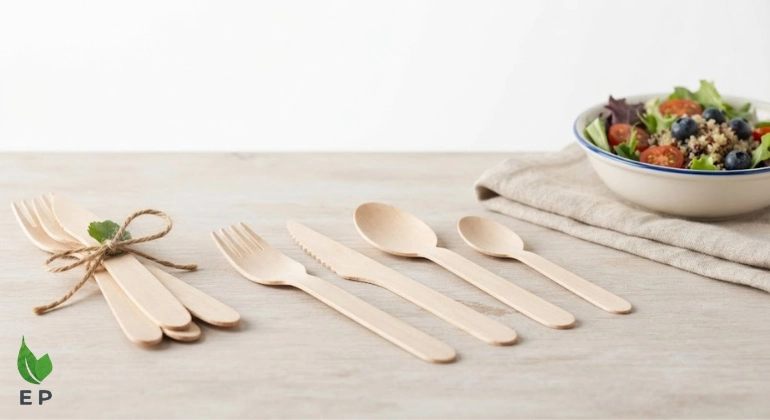
Birchwood cutlery is exactly what it sounds like — spoons, forks, and knives crafted from birch wood, a light, durable hardwood known for its smooth grain and natural strength. Unlike flimsy plastic forks that snap under a little pressure, birchwood utensils hold up well to everyday use while remaining completely plastic-free.
Here’s what makes birch wood a smart material choice:
Because it’s made from a renewable resource, birchwood cutlery checks nearly every box for what people are looking for in sustainable cutlery today.
You can explore the full range in our birchwood cutlery collection, including individual pieces like the birchwood wooden knife, birchwood wooden spoon, and eco-friendly wooden fork.
When you put birchwood cutlery vs plastic side by side, the differences go far beyond just looks. Plastic cutlery might seem convenient, but it comes with a long list of hidden costs — environmental, health-related, and even practical.
| Factor | Birchwood Cutlery | Plastic Cutlery |
|---|---|---|
| Decomposition Time | 3–6 months (compostable) | 400+ years |
| Material Source | Renewable birch trees | Petroleum-based |
| Health Safety | Food-grade, chemical-free | Can leach chemicals when heated |
| Environmental Impact | Low, biodegradable | High, contributes to plastic pollution |
| Strength | Sturdy for most foods | Often flimsy, prone to breaking |
| Recyclability | Compostable | Rarely recycled |
The takeaway here is simple: plastic might win on price in the short term, but birchwood wins on nearly everything that actually matters — for your health, your event, and the planet.
Let’s unpack the specific reasons people are making the switch, because “eco-friendly” alone doesn’t tell the whole story.
Unlike plastic, which sits in landfills for centuries, biodegradable cutlery made from birch wood naturally breaks down without leaving microplastics behind. Toss it into a compost pile, and nature does the rest.
Birch trees grow quickly and are widely available, making birchwood a genuinely renewable resource. Choosing wood-based utensils supports sustainable dining practices without depleting non-renewable materials the way plastic production does.
Birchwood cutlery is crafted from food-grade wood material, meaning there’s no risk of chemical leaching — something that’s a real concern with heated plastic utensils.
Ever had a plastic fork snap while cutting into food? Birchwood cutlery is noticeably more rigid, making it ideal for everything from salads to heartier dishes.
Adopting disposable wooden cutlery is one of the simplest ways to move toward a zero waste lifestyle without completely overhauling your daily habits.
If you’re also exploring reusable options, our reusable bamboo cutlery set and stainless steel cutlery set are excellent long-term alternatives worth pairing with disposable birchwood options depending on your needs.
The environmental impact of plastic is no longer a distant concern — it’s showing up in oceans, soil, and even our food chain. Single-use plastic cutlery is among the most common culprits, often used for mere minutes before being discarded for hundreds of years.
Here’s why this matters more than ever:
By choosing an eco-friendly cutlery alternative like birchwood, you’re not just making a personal choice — you’re contributing to a broader shift toward responsible consumption.
Yes — and this is one of its biggest selling points. Birchwood cutlery typically decomposes within 3 to 6 months under proper composting conditions, compared to plastic, which can take over four centuries to break down.
Here’s how the process works:
This makes birchwood cutlery a genuinely compostable tableware solution — not just a marketing label slapped on a product that still ends up in a landfill.
One of the most practical advantages of birchwood cutlery is how versatile it is. Whether you’re hosting a wedding, running a food stall, or packing lunch for the office, it fits seamlessly into daily life.
Birchwood cutlery is a favorite for birchwood cutlery for events and parties because it looks elegant, feels premium, and requires zero cleanup — guests simply compost it after use.
Restaurants switching away from plastic often choose birchwood for eco-friendly disposable utensils that align with customer expectations around sustainability.
For quick meals, picnics, or lunchboxes, disposable wooden cutlery offers convenience without the environmental guilt.
Pairing your cutlery with other sustainable essentials makes the shift even easier — items like disposable wooden coffee stirrers or premium wooden craft sticks work well alongside your cutlery setup for a fully coordinated eco-friendly table.
Birchwood isn’t the only sustainable option out there, but it holds its own well against competitors.
When it comes to reusable vs disposable cutlery, the right choice depends on your use case. For one-time events, birchwood wins on convenience. For daily home use, reusable options like our bamboo straws or stainless steel sets offer long-term value.
Browsing our full eco-friendly products category can help you build a complete sustainable kitchen setup beyond just cutlery.
If you’re wondering where to buy birchwood cutlery online, the key is finding a supplier that prioritizes food-grade material and consistent quality — not just low prices.
At Ecoproduct.pk, our birchwood range includes:
You can explore the entire lineup on our shop page, where every product is selected with sustainability and food safety in mind.
A common hesitation is price. When it comes to birchwood cutlery cost compared to plastic, wood-based options are typically slightly higher per unit — but the value extends well beyond the price tag.
Consider this:
If you’re also packaging products alongside cutlery, pairing it with sustainable packaging solutions like our kraft paper pouches or green packaging options creates a fully eco-conscious brand experience for customers.
Choosing between birchwood cutlery vs plastic ultimately comes down to what kind of impact you want to leave behind — literally. Plastic cutlery might be cheaper upfront, but it carries a cost that lingers for centuries in landfills and oceans. Birchwood cutlery, on the other hand, offers strength, safety, and a decomposition timeline measured in months, not centuries.
Whether you’re hosting an event, running a restaurant, or simply trying to reduce your household’s plastic footprint, birchwood cutlery genuinely stands out as the best alternative to plastic cutlery available today.
Ready to make the switch? Explore our full birchwood cutlery collection at Ecoproduct.pk and take a simple, practical step toward a more sustainable lifestyle — one meal at a time.
What is birchwood cutlery? Birchwood cutlery refers to spoons, forks, and knives made from birch wood — a durable, food-safe hardwood that’s fully biodegradable and free from plastic or harmful chemicals.
Is birchwood cutlery biodegradable? Yes, birchwood cutlery is fully biodegradable and typically decomposes within 3 to 6 months under proper composting conditions, unlike plastic, which can take over 400 years.
What are the benefits of birchwood cutlery over plastic? Birchwood cutlery is stronger, safer, chemical-free, and compostable, while plastic cutlery contributes to long-term pollution and can leach chemicals when exposed to heat.
Why should I choose wooden cutlery instead of plastic? Wooden cutlery supports a plastic-free lifestyle, reduces environmental waste, and offers a sturdier, more natural dining experience compared to flimsy plastic alternatives.
How long does birchwood cutlery take to decompose? Under proper composting conditions, birchwood cutlery decomposes within 3 to 6 months, compared to plastic cutlery, which can take centuries to break down.
Is wooden cutlery better than plastic for the environment? Yes, wooden cutlery is significantly better for the environment since it’s biodegradable, made from renewable resources, and doesn’t contribute to long-term plastic pollution.
Where can I buy birchwood cutlery online? You can purchase high-quality birchwood cutlery directly from Ecoproduct.pk’s birchwood cutlery collection, including knives, forks, and spoons.

Subscribe our newsletter & get notification about information discount.
Subscribe to get special offers, free giveaways, and once-in-a-lifetime deals.