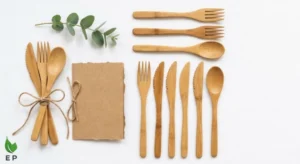
Picture a customer walking out of your bakery with a freshly decorated cake. The box is perfect. The frosting is perfect. Then the carry bag stretches, sweats, or tears at the handle. That one small detail can undo all your hard work.
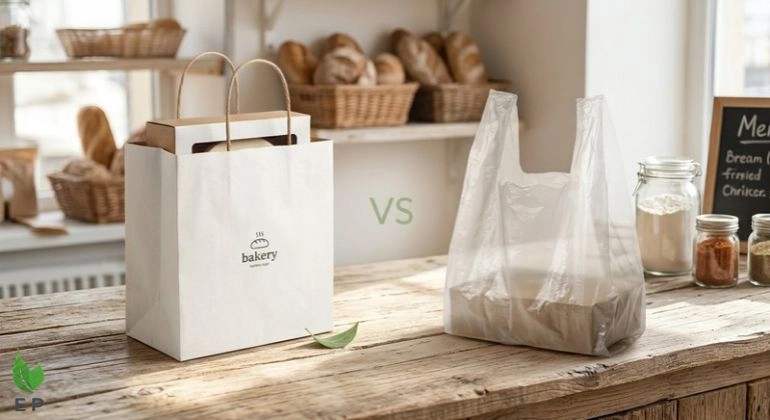
The debate over kraft paper cake bags vs plastic bags matters for exactly this reason. The bag is the last thing your customer touches, and it shapes how they remember your brand. It also affects safety, cost, and the planet.
In this guide, we compare both options honestly. We look at strength, food safety, freshness, branding, price, and environmental impact. By the end, you will know which bag suits your bakery, your cakes, and your budget.
Most bakery owners spend weeks perfecting recipes and boxes. The carry bag often gets picked in a hurry. That is a missed opportunity.
A cake bag does three jobs at once. It protects the box during transport, it carries your brand through the streets, and it tells customers what you value. A sturdy paper bag with a clean logo feels premium. A flimsy, shiny plastic bag can feel cheap, even if the cake inside is excellent.
There is also a legal and social side. Many cities and regions have started restricting single-use polythene, and customers are paying closer attention to waste. Bakeries that adopt eco-friendly cake packaging early are usually seen as more thoughtful and modern.
Before we compare materials, let’s be clear about what a “cake bag” is. In most bakeries, it is an outer carry bag that holds a boxed cake, a cake slice box, or a set of pastries. Understanding this helps us judge each material fairly. The bag does not touch the frosting. It supports the box that does. For a deeper look at the box itself, see this complete guide to cake boxes for bakeries.
Kraft paper cake bags are made from kraft pulp, a strong paper produced from wood fibres. The word “kraft” comes from the German word for strength. That name fits. Kraft paper has long fibres that resist tearing, so it holds up well under weight.
You will find these bags in several forms:
If you want a polished boutique look, the white paper cake bag and the black paper cake bag are good examples. For a more rustic and natural feel, the brown kraft paper bag with a clear front window works nicely for cookies, brownies, and small bakery items.
Most kraft bags are recyclable, and many are biodegradable when left uncoated. Bags with plastic lamination are a different story, so always check the material before you call a bag compostable.
Plastic cake bags are usually made from polyethylene (PE) or similar polymers. They are thin, lightweight, flexible, and waterproof. Some are clear, some are printed, and some have die-cut handles.
Plastic became popular in bakeries for simple reasons. It is cheap. It does not mind rain. It is easy to store because it folds flat and takes up almost no space.
The trouble starts after the cake is gone. Most thin plastic bags are used for minutes and then thrown away. They can take hundreds of years to break down, and they often end up in drains, rivers, and roadsides. In a country where drainage blockage during monsoon is a real issue, that cost is not abstract.
Plastic is not “evil,” and we should not pretend it has no use. It does have a place in certain situations, which we will cover below. But for a standard bakery carry bag, the downsides are growing harder to ignore.
Let’s put the two materials side by side. The table below gives a quick view before we explain each point in detail.
| Factor | Kraft Paper Cake Bags | Plastic Cake Bags |
|---|---|---|
| Strength | Strong, rigid, holds box shape | Stretchy, tears at thin points |
| Water resistance | Moderate (better with lining) | Excellent |
| Eco impact | Recyclable, often biodegradable | Slow to degrade, high pollution risk |
| Branding | Premium look, prints beautifully | Glossy, limited premium feel |
| Cost per bag | Slightly higher | Lower |
| Storage space | Bulkier | Very compact |
| Customer perception | Natural, trustworthy | Cheap, outdated |
As you can see, plastic wins on price and water resistance. Kraft paper wins on strength, brand appeal, and sustainability. Now let’s unpack what that means in real bakery life.
A common question is which is more durable for cake packaging. The honest answer depends on the thickness and the job.
Kraft paper has a stiff structure. When you place a cake box inside, the bag keeps its shape. The sides stay upright, and the box sits level. That matters a lot for cakes, because tilting is the enemy of frosting. A well-made kraft bag with reinforced handles can support a heavy box without sagging.
Plastic bags, especially thin ones, behave differently. They stretch under weight. The handles dig into fingers. The box can slide to one corner and tilt. A sharp box edge can also puncture thin plastic.
Here is a simple example. Imagine a 2 lb cake in a boxed carrier. In a kraft bag, the box stays flat, and the customer carries it by the handles with confidence. In a thin plastic bag, the box droops, and the customer ends up hugging it with both arms. One experience feels professional. The other feels stressful.
Plastic does have one durability edge: it resists moisture. If it is pouring rain, a thin plastic bag keeps the outside box dry. Plain kraft can soften when soaked. For bakeries that serve rainy regions, a coated or lined kraft bag handles light moisture much better.
This is where many owners get confused, so let’s clear it up.
Neither a kraft bag nor a plastic bag is the primary food barrier for a cake. The cake box, the cake board, and any inner wrap do that job. The outer carry bag mainly protects the box from dust, handling, and weather. This is why food-safe packaging decisions should focus on what actually touches the cake.
That said, the carry bag still matters for how fresh the cake looks on arrival. Kraft paper is breathable, so it avoids trapping heat and condensation around the box. Plastic, on the other hand, can trap warm air and moisture. On a hot Karachi or Lahore afternoon, that humidity can make a box sweat and soften.
If you are packing items without a box, such as cookies, brownies, or pastries, food contact becomes important. In that case, choose food-grade cake bags or bags with a grease-resistant paper lining and confirm the supplier’s food-safety standards. For items like cookies, a flat-bottom gusseted bakery pouch is a strong choice.
Plain kraft paper absorbs oil over time, so you should not put greasy items directly into an uncoated bag. Cream cakes, buttery pastries, and chocolate ganache desserts are best placed in a box or lined packaging first. The kraft bag then carries the box safely.
This two-layer approach is the standard in bakeries worldwide. It keeps food safe, keeps bags clean, and keeps your presentation sharp.
Here we need to be careful and honest, because this topic is full of oversimplified claims.
Kraft paper bags come from a renewable resource, and they are recyclable. If they end up in the environment, they break down far faster than plastic. They also do not hurt marine life or clog drains the way polythene does.
Still, paper is not “free.” Making paper bags uses more water and energy than making plastic bags. Forests need responsible management too. So the real answer is this: kraft paper is better for waste and pollution, and its footprint shrinks the more times the bag is reused or recycled.
Three habits make paper bags far more sustainable:
The environmental impact of plastic, by contrast, is mostly about what happens after use. Thin bags are rarely recycled in practice, and they linger for generations. If you want to explore the wider picture, our article on kraft paper bags vs plastic bags and the environment goes deeper, and 9 easy ways to reduce your plastic waste offers practical tips you can share with customers.
Plain, uncoated kraft paper bags are biodegradable and can compost under the right conditions. Bags with plastic or foil lamination are harder to break down and may not be compostable. When a supplier says “biodegradable,” ask for the exact material details.
Yes, plastic bags are usually cheaper per piece. That is the main reason many bakeries still use them. But the cheapest bag is not always the cheapest choice.
Think about the full picture. A weak bag that tears can cost you a ruined cake, an angry customer, and a lost repeat order. One damaged cake can wipe out the savings from hundreds of cheap bags.
There is also the branding return. A custom kraft bag works like a small billboard. Customers carry it through markets, offices, and family gatherings. Plastic can carry a print too, but it rarely gets the same “keep and reuse” treatment. Paper bags often get reused for shopping, gifts, and storage, which means your logo travels farther.
If you buy in volume, the gap narrows. Bulk packaging supplies reduce the unit cost of kraft bags significantly. For small and mid-size bakeries, buying wholesale and ordering a consistent size usually gives the best balance. You can browse options in the cake bag category and the wider kraft paper bags collection.
Presentation sells cakes. People post photos of their orders, and the bag is often in the frame.
Kraft paper has a warm, handmade feel that suits bakeries naturally. Brown kraft looks rustic and artisanal. White and black bags look sleek and premium. Printed logos, stamped seals, and ribbon handles can turn a simple bag into a signature piece.
A kraft paper cake bag with a window is especially useful for small items. Customers can see the product inside, which builds trust and encourages impulse buying at the counter. For items such as cookies, cupcakes, and mini desserts, this “see it before you buy it” effect is powerful.
Plastic can also be clear, but it tends to look disposable. Customers may not say it aloud, but they notice. Many bakeries that switch to custom kraft paper cake bags report that customers comment on the change. Even without data, the logic is clear: premium packaging supports premium pricing.
If you want to build a complete look, pair your bags with matching cake boxes, boards, and cupcake packaging. You can explore bakery packaging, sturdy cake boxes, and single cupcake boxes to keep the whole presentation consistent.
A few simple steps can make your bag a brand asset:
Theory helps, but real situations help more. Here are a few common scenarios.
The home baker. Sana runs a small home bakery and delivers cakes in the neighbourhood. She needs a bag that looks professional but does not cost a fortune. A mid-size white kraft bag with her logo stamp is enough. It looks premium and keeps boxes stable.
The boutique café. A café sells slices, cookies, and takeaway pastries all day. It needs variety. Small kraft bags with windows for cookies and larger kraft carry bags for boxed cakes cover everything.
The delivery-focused bakery. A bakery with heavy delivery traffic should focus less on the carry bag and more on box protection. Our guide on how to package a cake for delivery without damage explains how to use boards, boxes, and padding so cakes survive the ride.
The wedding or event baker. Large, heavy cakes need strong boards and boxes first. A good board makes a huge difference, and our comparison of a cake drum board vs a regular cake board shows how to choose the right base.
Here is a quick recommendation table to help you decide:
| Bakery Type | Best Choice | Why |
|---|---|---|
| Home baker | White or brown kraft bag | Professional look at fair cost |
| Premium boutique | Black or white custom kraft bag | Strong brand image |
| Café / takeaway | Kraft bag with window | Visibility plus convenience |
| Rainy-region bakery | Coated or lined kraft bag | Better moisture protection |
| High-volume bakery | Bulk kraft bags | Lower unit cost, consistent quality |
In nearly every case, kraft paper fits better. Plastic only makes sense as a thin protective cover for specific items or in short-term wet conditions.
Let’s summarise the strengths and weaknesses so you can see the trade-offs clearly.
Pros: strong structure, eco-friendly, premium look, easy to brand, reusable, recyclable. Cons: higher price, bulkier storage, less waterproof unless lined.
Pros: cheap, waterproof, lightweight, compact to store. Cons: weak handles, poor eco image, slow to degrade, can look cheap, restricted in some areas.
When you weigh these side by side, the picture is consistent. Plastic saves a few rupees today but costs you in image and sustainability. Kraft paper asks for a small investment and returns it through trust, branding, and customer loyalty.
Choosing a bag does not have to be complicated. Walk through these questions in order.
First, measure your most common box. The bag should fit with about 1 to 2 cm of clearance, so the box slides in without force. Second, think about weight. Heavier cakes need thicker paper and reinforced handles. Third, consider weather. If you serve rainy regions, pick lined or coated kraft. Fourth, decide your brand style, whether natural, minimal, or luxury. Finally, check that the supplier can deliver consistent quality in bulk, so your packaging never changes unexpectedly.
If you are building a larger green packaging plan, explore sustainable packaging solutions in Pakistan and eco-friendly packaging products for more ideas that extend beyond cake bags.
Yes, in most cases. Kraft paper bags are stronger, hold boxes level, look more premium, and are far better for the environment. Plastic is only better for waterproofing and low cost.
They are safe as carry bags for boxed cakes. For direct food contact, choose food-grade or grease-resistant lined bags from a trusted supplier.
The cake box keeps the cake fresh, while the kraft bag protects the box. Because paper is breathable, it avoids trapping heat and moisture around the box.
Yes, plastic bags usually cost less per piece. However, buying kraft bags in bulk narrows the gap, and the branding benefits often outweigh the extra cost.
Not directly. Place greasy or cream-based items in a box or lined packaging first, then carry the box in the kraft bag.
Bakeries are switching because of customer demand for sustainability, tightening rules on single-use plastic, and the stronger premium look of paper.
After comparing strength, safety, cost, branding, and environmental impact, the answer to kraft paper cake bags vs plastic bags is clear for most bakeries. Kraft paper cake bags are the better choice. They support heavy boxes, look elegant, carry your brand, and respect the planet.
Plastic still has a narrow role. It is cheap and water-resistant, so it can work as a temporary rain cover or a low-cost wrap. But as your main cake carry bag, it falls short on almost everything customers now care about.
The smartest move is simple. Switch your main carry bags to kraft paper, add a lined or coated version for rainy weather, and keep plastic use to a minimum. Your customers will notice, your brand will grow, and your waste footprint will shrink.
Make your next cake order unforgettable. Explore our full range of kraft paper cake bags and bakery packaging at Eco Product, or browse the shop to build a matching set of bags, boxes, and boards. Switch to packaging that protects your cakes, builds your brand, and cares for the planet.

Author at Eco Product — passionate about sustainable living and eco-friendly products.

Subscribe our newsletter & get notification about information discount.
Subscribe to get special offers, free giveaways, and once-in-a-lifetime deals.