If you’ve recently swapped your plastic straws for stainless steel drinking straws, congratulations — you’ve made one of the easiest and most impactful eco-friendly upgrades for your kitchen. But here’s the catch nobody warns you about: unlike disposable straws, metal ones need a little routine care to stay hygienic, shiny, and safe for years of daily use. Whether you’re sipping your morning smoothie or serving iced tea to guests, understanding how to properly clean and maintain your straws makes the difference between a product that lasts a lifetime and one that ends up forgotten in a kitchen drawer.
In this guide, we’ll walk through everything you need to know — from daily cleaning routines to deep sanitizing methods, common mistakes to avoid, and how these straws stack up against bamboo, plastic, and glass alternatives. By the end, you’ll have a complete, practical roadmap for keeping your straws spotless and functional for the long haul.
Across Pakistan, more households are quietly phasing out single-use plastic in favor of reusable alternatives, and straws are often the first swap people make. It’s a small change, but it carries weight — a single person switching from disposable to reusable straws can prevent hundreds of plastic straws from ending up in landfills or waterways each year.
What makes stainless steel straws particularly appealing isn’t just the environmental angle. They’re remarkably durable, resistant to rust when cared for properly, and unlike silicone or plastic versions, they don’t absorb odors or retain stains from coffee, turmeric-heavy drinks, or fruit juices. Food-grade stainless steel is also non-reactive, meaning it won’t leach chemicals into your beverages regardless of temperature — hot chai or an ice-cold lassi, it handles both without complaint.
If you’re just starting your plastic-free journey, pairing your straws with a few other simple zero-waste swaps can meaningfully reduce your household’s plastic footprint without requiring a complete lifestyle overhaul.
Beyond sustainability, there’s a practical case for these straws too. They’re dishwasher safe in most cases, they don’t crack or become brittle with age like plastic does, and a single set can realistically serve a family for five to ten years with basic upkeep. That kind of longevity simply isn’t something disposable products can compete with.
This is where most people either get it right or make small mistakes that shorten their straws’ lifespan. Cleaning stainless steel straws isn’t complicated, but it does require slightly more attention than tossing them in with the regular dishes, mainly because of their narrow, hollow shape.
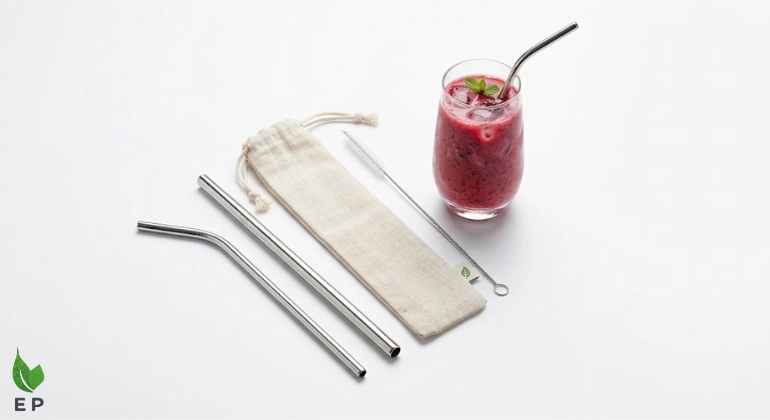
For everyday use, rinsing immediately after each drink prevents residue from drying and sticking to the interior walls. A quick rinse under warm water, followed by a pass with a straw cleaning brush, handles most day-to-day grime. The bristles are specifically designed to reach the full length of the tube, including bent sections in curved straws, which a regular dish sponge simply can’t access.
Once a week — or more often if you’re using your straws for thick smoothies or milkshakes — a deeper clean helps prevent buildup. Soaking straws in warm water mixed with a bit of dish soap for 10–15 minutes loosens stubborn residue before scrubbing. For extra freshness, many people rely on a vinegar cleaning method, where straws are soaked in a diluted vinegar solution for about 20 minutes. This naturally breaks down mineral deposits and neutralizes lingering odors without harsh chemicals.
Baking soda offers a similar effect. Mixing it into a light paste and running it through the straw with a brush tackles discoloration and leaves a genuinely clean, neutral smell.
For a full sanitizing session — recommended every couple of weeks or after illness in the household — boiling water sterilization is the most effective method available. Submerging straws in boiling water for 3–5 minutes kills bacteria and germs that basic washing might miss, giving you genuine peace of mind about hygiene.
Here’s a quick comparison of the main cleaning approaches:
| Method | Best For | Frequency |
|---|---|---|
| Rinse + Brush | Daily maintenance | After every use |
| Vinegar Soak | Odor & mineral buildup | Weekly |
| Baking Soda Paste | Stains & discoloration | Weekly |
| Boiling Water | Deep sanitizing | Bi-weekly or as needed |
Sticking to a rhythm like this ensures your straws stay hygienic without turning cleaning into a daily chore.
Having the right accessories genuinely makes maintenance effortless. A dedicated cleaning brush with firm, tightly-packed bristles is non-negotiable — it’s the single tool that determines whether your straws stay truly clean or just look clean on the outside.
Many people also prefer buying a complete stainless steel straws set with a cleaning brush rather than sourcing tools separately, since the included brush is usually sized precisely to fit the straw diameter. Storage matters too — a breathable pouch keeps straws organized, prevents scratching against other cutlery in a drawer, and makes it easy to carry a set when traveling or heading out for a picnic.
A few practical habits worth building into your routine:
One of the biggest advantages of stainless steel straws over nearly every other reusable option is their durability — but only if you treat them correctly. Rust prevention starts with one simple rule: always dry straws thoroughly before putting them away. Moisture trapped inside a straw for extended periods, especially in humid weather common across much of Pakistan, is the primary reason people occasionally see spotting or discoloration.
Corrosion resistance in food-grade stainless steel is excellent, but it isn’t absolute. Avoid soaking straws in bleach-based cleaners, as harsh chemicals can gradually degrade the protective oxide layer that keeps the metal from rusting. Similarly, using overly abrasive scrubbers can create micro-scratches where bacteria or residue can settle over time.
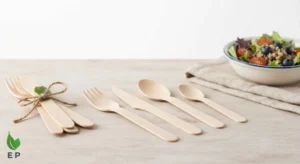
Maintenance frequency doesn’t need to be intense — a realistic routine of daily rinsing, weekly deep cleaning, and occasional sterilizing keeps straws performing like new for years. Many customers who’ve paired their metal straws with a stainless steel cutlery set report the same experience: with minimal care, these products simply outlast their plastic equivalents by years, not months.
It’s worth pausing here to compare how metal straws actually measure up against the alternatives, since this is one of the most common questions people ask before making a purchase.
| Material | Durability | Cleaning Effort | Best Use Case |
|---|---|---|---|
| Stainless Steel | Very high | Low-medium | Everyday, long-term use |
| Bamboo | Medium | Medium-high | Casual, short-term use |
| Silicone | Medium | Low | Kids, sensitive teeth |
| Glass | Medium (fragile) | Low | Home use, visual appeal |
| Plastic (disposable) | Low | None (single-use) | Not recommended |
Bamboo straws bring their own charm and biodegradability, and if you’re curious how the two compare in more depth, our dedicated breakdown of bamboo straws vs stainless steel straws covers the differences in texture, taste-neutrality, and upkeep. For a broader overview including glass options, the guide to the best reusable straws in Pakistan is worth a read before deciding what fits your household best.
Where stainless steel straws genuinely shine is versatility. Bent straws work wonderfully for tall glasses of lassi or iced coffee, while straight straws are the go-to for smoothies and bubble tea, where the wider diameter versions handle tapioca pearls without clogging. Cocktail-sized straws are perfect for entertaining guests, offering a reusable, elegant alternative to plastic stirrers.
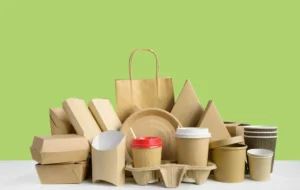
If you’re hosting a backyard gathering or planning a summer barbecue, it’s worth checking out our BBQ and outdoor party kits that pair eco-friendly cutlery and cups with metal straws for a complete, plastic-free setup guests genuinely notice and appreciate.
A few small habits can shorten a straw’s lifespan or create hygiene issues, and they’re worth flagging clearly:
Avoiding these missteps is really just a matter of building a consistent, low-effort habit rather than requiring any special skill.
Switching to stainless steel drinking straws is one of those decisions that pays off quietly over time — less plastic waste, fewer repeat purchases, and a genuinely better drinking experience once you get used to it. The maintenance routine outlined here isn’t complicated; it simply requires a bit of consistency, the right brush, and an occasional deep clean to keep everything sanitized and rust-free.
If you’re ready to make the switch or want to explore the full range of reusable products that make sustainable living easier in Pakistan, our sustainable living guide is a great next stop, or head straight to browse our eco-friendly shop to pick up your first set today.
Q1: How often should I clean my stainless steel straws? Rinse after every use, deep clean weekly with vinegar or baking soda, and sterilize with boiling water every couple of weeks for full hygiene.
Q2: Can stainless steel straws rust over time? Food-grade stainless steel is highly rust-resistant, but leaving straws wet for long periods or using harsh bleach can eventually cause spotting.
Q3: Are stainless steel straws better than bamboo straws? Both are eco-friendly, but stainless steel typically lasts longer and requires less frequent replacement, while bamboo offers a more natural, biodegradable feel.
Q4: Can I put stainless steel straws in the dishwasher? Most stainless steel straws are dishwasher safe, though hand-washing with a dedicated brush gives more thorough interior cleaning for bent straws.
Q5: What’s the best way to remove odors from metal straws? Soaking in a diluted vinegar solution for 20 minutes effectively neutralizes odors and breaks down mineral residue naturally.

Subscribe our newsletter & get notification about information discount.
Subscribe to get special offers, free giveaways, and once-in-a-lifetime deals.