If you’ve ever ripped open a plastic cutlery packet at a wedding, a BBQ, or a takeaway order and felt a small pang of guilt, you’re not alone. That single-use plastic knife will outlive your grandchildren in a landfill somewhere. This is exactly why the birchwood wooden knife has quietly become one of the most talked-about swaps in sustainable dining. It looks simple — a slim, pale wooden blade — but it represents a genuinely smarter way to eat, serve, and celebrate without leaving a permanent scar on the planet.
In this guide, we’re unpacking everything about this humble utensil: what makes birchwood special, how it stacks up against plastic, where it fits into real Pakistani households and businesses, and why more restaurants, caterers, and families are quietly making the switch. Grab a cup of chai, because this one’s worth reading slowly.
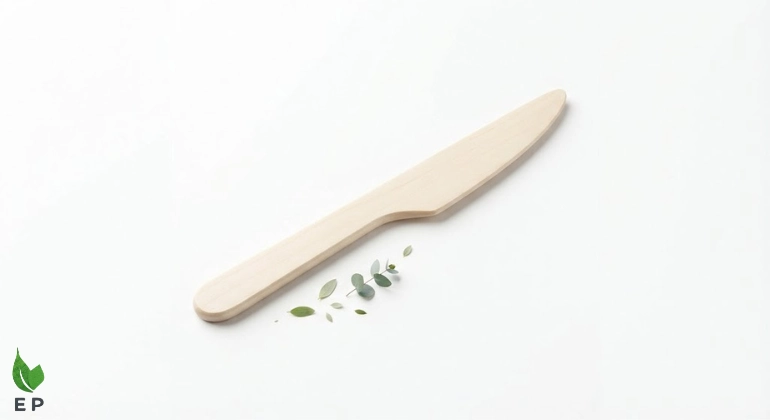
A birchwood wooden knife is a disposable eating utensil crafted from birch — a light-colored, fine-grained hardwood known for its strength-to-weight ratio and clean, splinter-resistant finish. Unlike bamboo or generic “wood cutlery,” birch has a naturally smooth surface and a subtle wood grain texture that makes it comfortable to hold and safe to use directly against food.
What sets this material apart is its dual identity. It behaves almost like plastic in terms of rigidity and usability — sturdy enough to cut through a slice of cake or a piece of grilled chicken — yet it fully qualifies as a natural alternative to plastic cutlery because it comes from a renewable, fast-growing tree species. You get the functionality you expect from cutlery, minus the centuries-long environmental hangover.
You’ll find the full range on our birchwood wooden knife product page, along with the complete birchwood cutlery collection if you’re looking to outfit an entire event or kitchen.
Let’s talk numbers for a second, because they matter here. Plastic cutlery is used for an average of a few minutes and then discarded — yet it takes anywhere between 200 and 1,000 years to break down. Multiply that by the billions of plastic spoons, forks, and knives handed out daily across restaurants, weddings, and street food stalls in Pakistan, and the scale of the problem becomes hard to ignore.
The environmental impact of plastic doesn’t stop at landfills. It fragments into microplastics that contaminate soil, waterways, and eventually the food chain. With growing awareness around single-use plastic bans in cities across the country, both households and businesses are actively hunting for compostable food service items that don’t compromise on convenience.
This is precisely where a compostable wooden knife earns its place. It performs the same job as its plastic cousin but disappears back into the earth within months rather than centuries. If you want a broader look at how small swaps add up, our piece on 9 easy ways to reduce your plastic waste is a great companion read.
Not all “eco” cutlery is created equal, and this is where birchwood genuinely stands out from other wood-based disposable products.
Birch has a tight, even grain that resists absorbing moisture the way softer woods do. That means no weird aftertaste, no sogginess halfway through your meal, and no risk of splinters near your mouth. It’s treated as food-safe by design, not by heavy chemical processing — a genuine plus for anyone comparing wooden versus plastic-coated alternatives.
Because birchwood is a plant-based, unprocessed material, its natural decomposition process is remarkably efficient. Left in compost or even just buried in garden soil, a birchwood knife breaks down within a matter of months, returning organic matter to the earth instead of microplastics to the ocean.
Birch trees grow quickly compared to hardwoods like oak or teak, which makes them a renewable resource in the truest sense. Harvesting for cutlery production doesn’t strip forests the way slower-growing timber does — it’s a far more sustainable packaging and utensil trend than most people realize.
For a deeper dive into why this specific wood beats other options, check out our detailed breakdown in why birchwood cutlery is the best alternative to plastic.
Sometimes a side-by-side view makes the decision easier than paragraphs of explanation. Here’s how the two stack up on the factors that actually matter to everyday users.
| Factor | Birchwood Wooden Knife | Plastic Knife |
|---|---|---|
| Decomposition Time | 3–6 months (compostable) | 200–1,000+ years |
| Material Source | Renewable birch wood | Petroleum-based |
| Food Safety | Naturally food-safe, no leaching | Can leach chemicals when heated |
| Feel & Grip | Warm, natural, slightly textured | Cold, slick, often brittle |
| Best Use Case | Events, catering, home dining | Mass disposable use |
| Environmental Cost | Low carbon footprint | High plastic pollution contribution |
The takeaway is simple: plastic wins on raw manufacturing cost at massive scale, but birchwood wins on almost everything else that matters for long-term impact and user experience. If you’d like a similar comparison for another everyday item, our article on wooden spoon vs plastic spoon covers very similar ground.
Theory is great, but where does a birchwood knife actually earn its keep? Turns out, almost everywhere food is served outside a formal dining room.
Birthday parties, mehndi functions, office lunches, picnics — anywhere you need cutlery that looks presentable but doesn’t require washing up afterward, a wooden disposable knife for parties fits perfectly. It photographs beautifully on a rustic table setting too, which is a nice bonus for anyone planning an Instagram-worthy spread. If you’re organizing an outdoor gathering, our guide on the BBQ and outdoor party eco-friendly cutlery kit walks through exactly what to stock up on.
For cafes and restaurants, switching disposable plastic for biodegradable knife for events and takeaway orders sends a clear signal to customers: this business cares about its footprint. It’s becoming a genuine point of differentiation in a market where eco-conscious consumer products influence buying decisions more than ever. Our roundup of eco-friendly cups and cutlery for restaurants and cafes is worth a look if you run a food business.
A few quick scenarios where this switch makes an outsized difference:
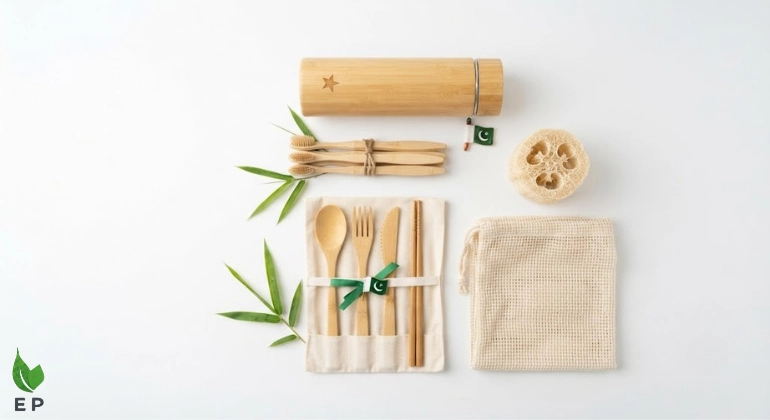
A knife rarely travels alone. Most people who make the switch end up building a full wooden cutlery set rather than picking utensils individually. Pairing your birchwood knife with an eco-friendly wooden fork and a birchwood wooden spoon gives you a complete, matching setup that works for everything from packed lunches to formal catering trays.
For beverages and desserts, disposable stir sticks round out the set nicely, especially for cafes serving coffee or dessert cups alongside meals. If you’d rather invest in reusable options for daily household use instead of disposables, our reusable bamboo cutlery set is a strong companion product worth exploring.
The beauty of building a matched wooden flatware collection is consistency — your entire table setting communicates the same sustainable, natural aesthetic instead of mixing plastic and wood haphazardly.
It’s tempting to dismiss a single knife swap as too small to matter. But scale changes everything. A single restaurant switching from plastic to birchwood cutlery across a year can divert thousands of plastic utensils from landfills. Multiply that across a city’s worth of cafes, weddings, and households, and the carbon footprint reduction becomes genuinely significant.
Beyond emissions, there’s the plastic pollution angle. Every birchwood knife chosen over a plastic one is one less item potentially ending up in a drain, a riverbank, or eventually the ocean. Pakistan’s growing conversation around single-use plastic bans makes this an especially timely switch — businesses that adapt early tend to build stronger, more trusted brand identities. Our broader zero-waste guide for Pakistan explores this shift in more depth if you want the bigger picture.
Not every wooden knife on the market is created with the same care. Here’s what actually separates a quality product from a flimsy imitation:
Buying from a dedicated eco-focused supplier rather than a generic disposable goods seller usually gets you better consistency here, since sourcing and quality control tend to be tighter.
One question we hear constantly: does biodegradable actually mean I can just throw it anywhere? Not quite — a little intention goes a long way. Composting the knife in a home compost bin or municipal green waste system speeds up decomposition dramatically compared to a regular trash bin, where it may still take longer due to lack of oxygen and moisture exposure.
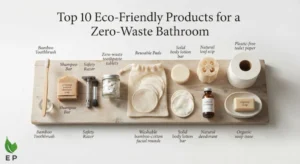
For anyone building a broader plastic-free lifestyle at home, pairing your composting routine with other simple swaps compounds the benefit quickly. Our 10 easy zero-waste swaps for Pakistan article is a solid next read if this topic interests you.
Sourcing genuinely food-safe, well-finished birchwood cutlery at scale isn’t as simple as it sounds — quality varies wildly between suppliers. EcoProduct.pk has spent years curating sustainable dining ware and green catering supplies specifically for the Pakistani market, working directly with manufacturers who prioritize finish quality and consistent sourcing.
This isn’t a side hustle for us — it’s the entire mission. You can read more about the story behind the brand in our mission to help Pakistan go green, and why thousands of customers across the country already trust the platform, detailed in why EcoProduct.pk is Pakistan’s most trusted eco-friendly store.
Switching to a birchwood wooden knife isn’t about perfection or overnight lifestyle overhauls. It’s about one practical, low-effort decision that quietly reduces plastic pollution every single time you use it. Whether you’re hosting a small family dinner, running a bustling café, or catering a wedding for five hundred guests, this small utensil carries an outsized environmental benefit — without asking you to sacrifice functionality, presentation, or convenience.
The plastic cutlery era isn’t ending overnight, but every birchwood knife chosen instead is a small vote for a cleaner, less wasteful future. And honestly, once you feel the difference in your hand, going back to flimsy plastic starts to feel like a downgrade anyway.
Explore our complete range of biodegradable, compostable, and reusable cutlery designed specifically for Pakistani homes, cafes, and events. Browse the full eco-friendly shop and start building a plastic-free dining setup today.
Is a birchwood wooden knife actually biodegradable? Yes. Since birchwood is a natural, unprocessed plant material, it breaks down fully within a few months under proper composting conditions, unlike plastic which persists for centuries.
Can birchwood cutlery be used with hot food? Absolutely. Birchwood handles warm and hot foods well without warping, melting, or releasing chemicals, unlike some plastic alternatives that can leach substances when exposed to heat.
Is birchwood better than bamboo for disposable cutlery? Both are sustainable, but birchwood tends to have a smoother finish and slightly more rigidity, making it a preferred choice for knives specifically, while bamboo is often favored for reusable sets.
How should I dispose of a used wooden knife? The best option is composting it at home or through a municipal green waste program, which speeds up natural decomposition compared to a standard trash bin.
Is birchwood cutlery suitable for large events like weddings? Yes, it’s actually one of the most popular choices for large catering setups because it’s cost-effective, presentable, and doesn’t require any post-event cleanup.

Subscribe our newsletter & get notification about information discount.
Subscribe to get special offers, free giveaways, and once-in-a-lifetime deals.