Learning how to pack fragile items for shipping is the difference between a happy customer and a costly refund. A glass vase, a ceramic mug or a laptop can look perfectly protected in your hands, yet fail after a few bumps on a conveyor belt, a drop from a delivery van or a heavy parcel stacked on top. The good news is that nearly all transit damage is preventable with the right materials, the right box and a few smart techniques.
Whether you run an online store, send gifts to family or are moving house, this guide walks you through every step. You will learn which fragile packaging materials work best, how to wrap each type of item, when to use double boxing, how to seal and label your parcel, and how to test it before it leaves your door. Let’s get started.
Before you pack anything, it helps to understand what your parcel goes through. A package typically passes through several hands, vehicles and sorting machines. It gets tossed onto belts, stacked in cargo holds and sometimes dropped from waist height or more. The main enemies are shock, vibration, compression and movement inside the box.
Shock happens when the box drops or hits a hard surface. Vibration builds up over hours of driving and slowly loosens poorly packed items. Compression occurs when heavier parcels are piled on top of yours. Movement is the most overlooked: if an item can slide even half an inch inside the box, it can hit the walls with real force on every turn. Breakage prevention comes down to one idea: the item should float in cushioning, never touch the box walls, and never be able to shift.
Good packing starts before you wrap anything. Collect all your packaging supplies in one place so you don’t cut corners halfway through. At a minimum, you need a sturdy corrugated box, a primary wrapping layer, cushioning for the base and sides, void fill, and strong tape.
Not every material does the same job, so choose based on what you are shipping. If you are unsure whether to rely on plastic cushioning or paper, our comparison of bubble wrap vs packing paper explains where each one performs best.
| Material | Best For | Main Strength | Watch Out For |
|---|---|---|---|
| Bubble wrap | Glass, ceramics, electronics | Excellent shock absorption | Needs several layers for heavy items |
| Packing paper / kraft paper | Dishes, wrapping and void fill | Affordable and eco-friendly | Offers less cushioning on its own |
| Foam sheets & inserts | Screens, mirrors, devices | Custom fit, no movement | Costs more for bulk shipping |
| Packing peanuts | Filling gaps around irregular items | Fills every space | Settles over time; messy |
| Air pillows | Light void fill | Very lightweight | Can burst under pressure |
| Corner & edge protectors | Frames, mirrors, flat items | Protects weak points | Must be paired with a box |
For most home and small-business shipments, a roll of bubble wrap combined with kraft paper and strong clear packaging tape covers about 90% of needs. You can browse the full range in our packaging materials collection.
Many people think the wrapping is the most important part, but the box is your parcel’s first line of defence. Always use a new or nearly new corrugated cardboard box, because old boxes lose rigidity after being stacked, dampened or reused several times.
Look for a box that leaves at least 2 inches (5 cm) of space on every side of your wrapped item. That gap is where cushioning lives. A box that is too small leaves no room for shock absorption, while a box that is far too large invites movement and increases shipping costs through dimensional weight pricing. Check the weight limit printed on the box (often on the bottom flap) and never exceed it.
Strength matters as much as size. Single-wall boxes are fine for light items, but heavier or more delicate goods deserve double-wall or 5-ply construction. If you sell online, our 3-ply and 5-ply standard e-commerce boxes are designed to resist crushing during courier handling, and you can learn more about picking the right one in our guide to e-commerce boxes in Pakistan.
Here is the exact process professional packers follow. Take your time with each step, because skipping one is how most breakage happens.
Clean and dry the object, remove anything detachable (lids, stands, handles, shelves) and wrap those separately. Detachable parts snap off easily when they knock into the main item. If the item has a hollow space, such as a vase or a teapot, stuff it lightly with crumpled paper so it can’t collapse inward.
Never put two fragile items in one wrapping, even if they are identical. Start with a layer of soft packing paper, then wrap with bubble wrap. When learning how to wrap fragile items for shipping, remember to place the bubbles facing inward, toward the item, because the bubbles cushion best when they touch the surface. Wrap at least two or three full layers, then secure the bubble wrap with tape. Make sure the tape sticks to the wrap, not to the item itself.
Add a 2-inch layer of cushioning material at the bottom of the box. Crumpled kraft paper, foam sheets or packing peanuts all work. Press it down slightly so it is firm and even. This layer absorbs the shock when the box lands on its bottom, which is the most common impact point.
Place the wrapped item in the middle of the box, keeping it away from every wall. If you are packing several items, leave space between them and fill that gap too. Heavy items should always go at the bottom, with lighter ones above.
Pack cushioning around the sides and on top until the item can’t move at all. A good rule is to fill the box so the lid closes with light pressure and the contents don’t rattle. Remember, void fill is not decoration; it is what stops the item from becoming a projectile inside the box.
Close the box and give it a gentle shake and tilt. If you hear or feel anything shifting, open it and add more filling. This takes ten seconds and saves a lot of trouble later.
For very delicate or valuable items, such as crystal, fine china, lamps or sculptures, a single box is rarely enough. Double boxing (also called the box-in-box method) adds a second layer of defence, and it is one of the most reliable ways to ship breakable goods safely.
Pack the item in a smaller box exactly as described above. Then place that box inside a larger box, leaving 2 to 3 inches of cushioning on all sides, including the top and bottom. The outer box takes the impacts and compression, while the inner box protects the contents from anything that gets through. It uses more material, but for an expensive or irreplaceable item, it is cheap insurance.
Different items fail in different ways, so the best approach varies. Here are the most common categories.
Glass breaks from impact and from pressure on thin edges like rims and stems. Wrap each piece in packing paper, add two to three layers of bubble wrap, and secure it. Stand glasses upright rather than on their sides, because rims are the weakest point. For wine glasses and stemware, wrap the stem separately before wrapping the whole glass. Use cardboard dividers if you are packing several pieces in one box, or better still, use separate compartments.
Ceramics are sturdy against pressure but chip easily on edges and handles. Wrap handles and spouts with extra paper before applying bubble wrap. Mugs should be wrapped individually and never nested inside one another. For decorative bowls like a crystal bowl, fill the inside with crumpled paper before wrapping to prevent cracking from the inside out.
Plates are strongest on their edge, so pack them vertically like records in a rack, not stacked flat. Wrap each plate in paper, bundle three or four with bubble wrap, and place them on edge with cushioning between bundles. Bowls and cups go on top of plates or in a separate layer, always with padding between.
Mirrors and framed pictures need flat, rigid protection. Apply an “X” of masking tape across the glass to hold fragments together if it cracks, then cover the surface with a sheet of foam or heavy paper. Add corner protectors and edge protectors, wrap everything with bubble wrap, and place it in a snug mirror box or a flat carton. Always ship and store mirrors on their long edge, never flat.
Electronics fear shocks and static. If you still have the original packaging, use it, because it was designed for that exact item. If not, wrap the device in an anti-static bag if possible, then in foam or bubble wrap, and suspend it in the box with at least 2 inches of cushioning on all sides. Remove batteries, wrap cables separately and keep screens covered with a foam sheet.
Here is a quick reference for the most common items:
| Item | Wrapping Method | Cushioning Needed | Special Tip |
|---|---|---|---|
| Wine glasses | Paper + 3 layers of bubble wrap | 2 inches all sides | Wrap stem separately |
| Mugs & cups | Individual wrap, no nesting | 2 inches | Protect handles |
| Plates | Paper + bundle wrap | 2 inches | Pack vertically on edge |
| Mirrors & frames | Foam sheet + corner protectors | 2–3 inches | Ship on long edge |
| Laptops & tablets | Anti-static bag + foam | 2–3 inches | Remove batteries |
| Cakes & baked goods | Rigid base + sturdy box | 1–2 inches | Chill before packing |
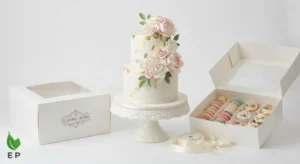
If you ship food, the same cushioning principles apply. Our guide on how to package a cake for delivery without damage shows how to apply them to delicate bakery items.
A perfectly cushioned box can still burst open if it is sealed badly. The best method for sealing the box is H-taping. Apply tape along the centre seam where the flaps meet, then run it down both edges of that seam so the tape forms the letter “H” across the box. Do this on both the top and the bottom.
Use strong packing tape that is at least 2 inches wide, and avoid masking tape, duct tape or cellophane tape, because they weaken under stress. For extra-heavy parcels, you can wrap the box with packing rope or add a second strap for reinforcement, which is especially useful for home-moving cartons.
Attach a clear shipping label on the largest flat surface, and put a duplicate label or note with the address inside the box in case the outside is damaged. Add fragile stickers on multiple sides and the top. Keep in mind that stickers alone don’t guarantee gentle handling; they are a warning, not protection, so your packing should be strong enough to survive even if the label is ignored.
Mark an arrow showing the correct upright position if orientation matters, and avoid placing labels over seams where they could tear when the box is opened by machine. Always note your tracking number and share it with the recipient so you can follow the journey.
Different couriers have different rules for fragile goods, so read the policy of your shipping carrier (whether UPS, FedEx, DHL, USPS or a local courier) before you ship. Some carriers refuse certain items or void claims if the packaging doesn’t meet their standards. Keep photos of your packing process, because they are valuable evidence if you ever need to file a claim.
Shipping insurance is worth the small cost for anything valuable or irreplaceable. Standard carrier liability is often very limited, so additional coverage can mean the difference between full reimbursement and almost nothing. Note that insurance typically covers broken items only if the packaging met the carrier’s guidelines, which is another reason to follow the steps in this guide.
For international shipments, go one step further. Parcels travel longer, change hands more often and may be opened for customs inspection. Use double boxing, stronger tape, and add a customs form in a waterproof pouch. Declare the correct value and contents to avoid delays.
If you ship the same product regularly, a drop test is the best investment you can make. Pack a sample exactly as you would for a customer, then drop it from about three feet onto each face, edge and corner of the box. Open it and check the contents. If anything is damaged, add more cushioning or upgrade the box, and test again.
For a one-off shipment, the basic shake test is enough. If the item rattles, shifts or feels loose, repack it. A package that survives a firm shake and a gentle tilt is usually ready for the real world.
Even experienced shippers slip up. These are the errors that cause the most transit damage:
Before you hand over the parcel, run through this quick list:
Protecting your goods doesn’t have to mean piling up plastic waste. Kraft paper, corrugated inserts and recycled cardboard provide strong cushioning without the environmental cost, and they are easy for customers to recycle. Reusing clean boxes for lighter items and choosing recyclable void fill are small choices that add up, especially if you ship often. To explore greener options, read about sustainable packaging solutions in Pakistan and browse our eco-friendly packaging products.
If you are shifting homes rather than shipping parcels, our complete guide to packing boxes for home shifting covers the same principles for moving day, and you can find everything in one place in our home shifting boxes category.
How do I pack fragile items so they don’t break during shipping?
Wrap each item individually in paper and bubble wrap, place it in a strong box with at least 2 inches of cushioning on all sides, fill every gap, seal with the H-taping method and do a shake test before shipping.
What is the best way to pack glass for shipping?
Wrap glass in packing paper, add two to three layers of bubble wrap, stand it upright, and use dividers or a second box (double boxing) so pieces never touch each other.
Should I use bubble wrap or packing peanuts for fragile items?
Use bubble wrap to wrap the item itself, since it gives direct shock absorption. Use packing peanuts, paper or air pillows as void fill around the wrapped item to stop movement.
How much padding do fragile items need in a box?
Aim for at least 2 inches of cushioning on all six sides. Very delicate or heavy items may need 3 inches or a double-box setup.
How do I stop items from moving inside a shipping box?
Fill all empty space with void fill, keep the item centred, and close the box with light pressure. If it still moves when shaken, add more filling.
How do I mark a package as fragile?
Place fragile stickers on the top and several sides, and write “Fragile” clearly near the shipping label. Remember that marking is only a warning, so strong packing is still essential.
Does shipping insurance cover broken items?
Usually yes, but only if the item was packed according to the carrier’s guidelines. Check the policy, keep photos of your packing and file claims quickly.
What should I do if a fragile package arrives damaged?
Photograph the box and contents immediately, keep all packaging materials, and contact the carrier to file a claim within their time limit.
Knowing how to pack fragile items for shipping comes down to a handful of habits: choose a strong box, wrap every item individually, cushion all six sides, eliminate movement, seal with H-taping and test before you send. Add insurance and clear labelling, and you dramatically cut your chances of a broken delivery.
Good packing is not an extra cost; it protects your products, your money and your reputation. Every parcel that arrives intact builds trust with your customers.
Get everything you need in one place. Explore our packaging materials, shop quality e-commerce boxes and bubble wrap rolls, or visit our shop to ship safely, sustainably and with confidence.

Author at Eco Product — passionate about sustainable living and eco-friendly products.

Subscribe our newsletter & get notification about information discount.
Subscribe to get special offers, free giveaways, and once-in-a-lifetime deals.