Your reusable bottle goes everywhere with you. It sits in your gym bag, on your office desk and in your car’s cup holder. Still, most of us only rinse it with water and call it clean. An eco-friendly bottle brush is the simplest tool for fixing this. It reaches the narrow neck, the hidden bottom corners and the sticky film that a quick rinse leaves behind. If you want to know how to clean a water bottle without harsh chemicals or throwaway plastic sponges, this guide covers it. You’ll learn which brush to pick, which natural cleaners work, and how to build a routine that takes about two minutes a day.
Switching to a reusable bottle is one of the easiest ways to cut single-use plastic. A bottle you never clean properly can become a problem, though. Water, saliva and tiny food particles create a damp, warm space where bacteria growth in water bottles is common. Over time this forms biofilm buildup. That is a thin, slippery layer you can feel with your finger inside the bottle, and it is the main cause of the funky smell many people notice.
Think of a bottle you use for flavoured water, protein shakes or tea. By the end of the week, the bottom often looks cloudy and the cap smells slightly sour. Plain water cannot break that layer down. You need gentle friction, and that is where a good brush comes in.
So is it safe to drink from a dirty bottle? A little residue will not harm most healthy people every time. Still, repeatedly drinking from a bottle with visible slime, mold spots or a bad smell is not a habit worth keeping. Regular bottle hygiene costs very little and protects your health. It also helps your bottle last for years, which is the whole point of going reusable.
Not every brush on the shelf deserves the word eco-friendly. Many cheap brushes use a plastic handle and nylon bristles. They look reusable, but they end up in a landfill within months. A true zero waste bottle brush is built differently.
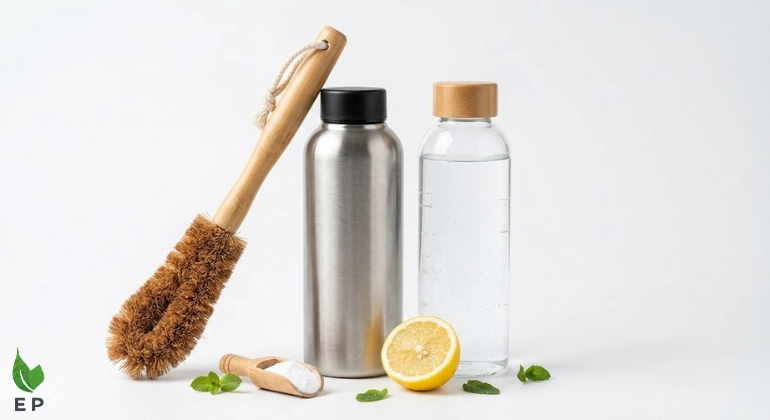
A plastic-free cleaning brush usually has a bamboo handle. Bamboo grows fast without pesticides and is naturally resistant to moisture when treated well. The bristles come from natural bristles such as coconut fiber brush heads or sisal bristles. These are firm enough to scrub residue but gentle on steel and glass. If you want to understand why bamboo has become the go-to material for green products, this article on why bamboo is the most sustainable material on earth explains it clearly.
At the end of its life, a biodegradable cleaning brush breaks down naturally. Many compostable brush designs let you remove the fiber head and compost the handle, so almost nothing is wasted. This is a small switch, but it adds up. If you’re hunting for similar upgrades, these 10 easy zero waste swaps are a good place to start.
Different bristles suit different bottles. Here is a quick comparison to help you choose.
| Bristle / Material | Best For | Pros | Watch Out For |
|---|---|---|---|
| Coconut fiber | Stainless steel, thermos, insulated flask | Firm, durable, fully natural | Can be stiff on delicate coatings |
| Sisal bristles | Glass and heavy residue | Strong scrubbing power, biodegradable | Needs air drying to avoid dampness |
| Silicone brush | Delicate or coated bottles, baby bottles | Soft, mold-resistant, easy to rinse | Not fully biodegradable |
| Bamboo handle | All bottle types | Lightweight, renewable, plastic-free | Should not be soaked for hours |
As you can see, natural fibers are the strongest all-rounders, while silicone suits softer surfaces. Most households do well with one natural-fiber brush for everyday cleaning.
The best bottle brush for water bottles is the one that fits your bottle and your habits. A fancy brush that cannot reach the bottom is useless. Before you buy, think through a few practical points.
First, check the length. A long handle bottle brush is essential if you use tall bottles, flasks or sports bottles. If the handle is too short, your knuckles end up doing the scrubbing and the bottom stays dirty. Second, check the head size. A bottle brush for narrow neck bottles needs a slim head that slides in easily and still spreads out to touch the walls. Third, look at the bristle density. Thick, evenly packed bristles clean better and last longer.
Here is the short checklist I’d use in a shop:
If you want a ready-made option, the sustainable bottle cleaning brush from EcoProduct.pk is built around these exact points. It uses a bamboo handle and natural bristles, so it fits the plastic-free approach described above.
Here is the heart of the matter. A step-by-step bottle cleaning guide works best when it is simple enough to repeat. This daily method is the foundation of good reusable water bottle care tips.
Start by emptying the bottle and rinsing it with warm water. Add a few drops of mild dish soap and fill the bottle about one-third with warm water. Insert your brush and scrub in circles. Give extra time to the bottle neck and bottom cleaning areas, because that is where residue collects. Then rinse until no soap smell remains.
Now handle the lid. This part is often forgotten, yet bottle cap and lid cleaning matters just as much. Remove any gasket or rubber ring and wash it by hand. Use the thin end of your brush or a small detail brush to reach threads and spout holes. Finally, let every part air dry upside down. Closing a damp bottle traps moisture and invites odor.
A practical example: if you drink from your bottle all day at work, wash it each evening when you get home. Leave it open on a drying rack overnight and it will be fresh in the morning.
Once a week, give your bottle a deep cleaning. This is also the best way to clean reusable bottle naturally, without bleach or strong chemicals. This approach counts as non-toxic cleaning and chemical-free cleaning, and it keeps your bottle safe for drinking.
Baking soda cleaning is gentle and effective. Add one tablespoon of baking soda, fill the bottle with warm water and shake. Let it sit for 30 minutes, then scrub with your brush and rinse well. For stubborn smells, try a white vinegar soak. Mix equal parts white vinegar and warm water, fill the bottle and leave it for about an hour. Scrub, rinse and air dry.
One safety note. Do not mix vinegar and baking soda inside a sealed bottle. The fizzing reaction can build pressure. Use them separately, and rinse thoroughly between methods.
| Method | Best For | Soak Time | Result |
|---|---|---|---|
| Warm water + mild dish soap | Daily cleaning | 1–2 minutes | Removes fresh residue |
| Baking soda paste or soak | Odor removal, light stains | 30 minutes | Deodorizes and lifts stains |
| White vinegar soak | Mineral buildup, bacteria | 30–60 minutes | Disinfects and clears film |
| Brush + coarse salt | Gentle scouring | 5 minutes | Boosts scrubbing power |
The table shows that you rarely need more than three pantry items. Daily soap, weekly baking soda and an occasional vinegar soak cover almost every situation.
Even careful people run into stubborn issues. Here is how to handle the most common ones.
If you carry chai or coffee in your bottle, brown rings form fast. For stain removal, make a paste with baking soda and a little water. Rub it on the stained area with your brush, leave it for 15 minutes, then rinse. For tea and coffee stains that have set for weeks, repeat the process or use a vinegar soak first. Patience works better than harsh scrubbing.
A bottle that smells musty usually has biofilm hiding in the threads or under the lid seal. For odor removal, take the bottle fully apart. Soak the lid and gasket in a vinegar-and-water mix, then scrub every groove. Dry everything completely before putting it back together. If a smell remains, leave baking soda in the open bottle overnight.
If you spot black or green dots, act right away. Mold and bacteria removal starts with a vinegar soak of at least an hour. Scrub thoroughly with your brush, with special attention to rubber seals and straw openings. If the mold has gone deep into a soft silicone gasket and will not come out, replace the part. Do not keep using it.
Not all bottles behave alike, so a little customization helps.
A stainless steel bottle cleaner routine is mostly about avoiding damage. Stainless steel water bottle models and any insulated flask or thermos cleaning job should avoid steel wool and strong bleach. A coconut fiber brush is perfect here. Many insulated bottles are not dishwasher-safe, so always check the label before putting one in. Hand washing keeps the vacuum seal and outer coating in good shape.
Glass bottle cleaning is easy because glass does not hold odors. Use warm soapy water and a sisal brush. Avoid sudden temperature changes, like pouring boiling water into a cold bottle, since glass can crack.
A BPA-free bottle is safer, but it can still scratch and hold smells. Use a soft brush or a silicone brush, because deep scratches become hiding places for bacteria. If a plastic bottle is heavily scratched or cloudy for good, it is time to retire it.
Many bottles have built-in straws or come with a reusable one. A straw cleaning brush is the only reliable way to clean the inside of a narrow tube. If you use metal or bamboo straws, our stainless steel reusable drinking straws set with brush includes the cleaner you need. You can also compare options in this guide to the best reusable straws in Pakistan.
This is one of the most searched questions, and the answer depends on what you put inside.
If you remember only one rule, it is this: never leave liquid sitting in a closed bottle for days. Moisture and warmth are the real enemies.
A bamboo bottle cleaning brush is low-maintenance, but a few habits extend its life. Rinse it after each use, shake off the water and let it dry standing upright with the head up. Do not leave it soaking in a sink or a pool of water. Once a week, you can dip the bristles in a vinegar-and-water mix to keep them fresh.
Bamboo behaves like your toothbrush handle in this respect. The same tips in how to keep a bamboo toothbrush clean apply to any bamboo tool. When the bristles flatten or the head starts to loosen, replace it. Then compost the bamboo handle if possible, and you’ve closed the loop on waste.
A good brush is just one piece of zero waste kitchen essentials. Once you start cleaning without plastic, other swaps follow naturally. A dish scrub replaces synthetic sponges, and kitchen loofah pads handle pots and pans. If you’re unsure which is better for your home, read this comparison of natural loofah vs synthetic sponge.
Why does it matter? The environmental impact of plastic is huge. Plastic scrubbers and brushes shed microplastics and last for centuries in landfills. Choosing eco-friendly kitchen tools and green cleaning products is a practical step toward an eco-conscious lifestyle. It does not require a perfect life or a big budget. It only requires small habits repeated daily. For more ideas, explore these 9 easy ways to reduce your plastic waste and our broader sustainable living guide for Pakistan.
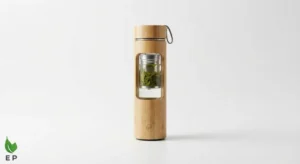
If you are still shopping for the bottle itself, the 550ml double wall bamboo water bottle with tea infuser pairs naturally with a bamboo brush. Both are plastic-free and built for reusable bottle maintenance over many years. You can browse the full range of eco-friendly products in Pakistan or visit the EcoProduct.pk shop to see everything in one place.
Use a bottle brush for narrow neck bottles with a slim head and a long handle. Fill the bottle with warm soapy water, push the brush in and scrub in circles. Then rinse and air dry upside down.
For sustainability, yes. A bamboo handle is renewable and biodegradable, while a plastic handle lasts for centuries as waste. Natural bristles also clean well and work on steel and glass.
Yes. Coconut fiber or sisal bristles are safe on stainless steel. Avoid steel wool and harsh abrasives, which can scratch the finish.
Replace it when the bristles flatten, shed or smell musty, which is usually every 6 to 12 months depending on use.
It is better to use them separately. Mixing them in a closed bottle creates fizzing gas and pressure. Use one, rinse well, then use the other if needed.
Keeping your reusable bottle spotless is not complicated. You need a good eco-friendly bottle brush, a bit of mild soap, a weekly baking soda or vinegar soak, and the habit of drying your bottle properly. These steps protect your health, remove stains and odors, and help your bottle last for years. They also keep another piece of plastic out of the landfill.
Every sustainable choice starts small, and a bamboo brush is one of the easiest to adopt. Ready to upgrade your routine? Pick up the sustainable bottle cleaning brush today. You can also explore more eco-friendly products at EcoProduct.pk, and give your bottle the care it deserves.

Subscribe our newsletter & get notification about information discount.
Subscribe to get special offers, free giveaways, and once-in-a-lifetime deals.