Every morning, millions of people reach for a bath sponge or loofah without giving it a second thought. But here’s the thing — that simple choice sitting in your shower could be affecting your skin health, your hygiene, and even the planet. The natural loofah vs synthetic sponge debate is more important than most people realize. One is a humble plant-based exfoliation tool that has been used for centuries. The other is a petroleum-derived product that feels soft but may be hiding some nasty secrets. So which one should you really be using? Let’s break it all down — from skin science to sustainability — so you can make a truly informed decision.
Before we dive into the comparison, let’s clear up a common misconception. Many people think loofahs come from the sea — they don’t. A natural loofah (also spelled luffa) comes from the Luffa cylindrica plant, a member of the cucumber and gourd family. When the fruit of this plant is fully mature and dried, its fibrous interior becomes the rough, textured scrubber we know and love.
Here’s what makes it special:
The natural loofah has been a staple in bath time routines across Asia, the Middle East, and Africa for thousands of years. It’s only recently that synthetic alternatives took over — and not necessarily for the better.
Synthetic sponges and plastic mesh loofahs are manufactured from polyester, nylon, or polyurethane foam — all petroleum-based materials. They’re cheap to produce, soft to the touch, and come in every color imaginable. But beneath that fluffy exterior lies a serious problem.
The open-cell structure of synthetic sponges is perfect for trapping:
That warm, damp environment inside a synthetic sponge is essentially a five-star hotel for germs. And every time you scrub your body with it, you may be spreading those germs right back onto your skin.
Let’s get into the real comparison. Here’s how these two bath tools stack up across the most important categories:
This is where the difference becomes most alarming. Synthetic sponge bacteria growth is a well-documented concern. Because synthetic materials retain moisture for hours after use, they create the ideal breeding ground for bacteria like E. coli and Staphylococcus, as well as mold and mildew.
Natural loofahs are not entirely immune to bacteria either — no wet bath tool is. However, plant fibers tend to dry faster and are less hospitable to bacterial colonies compared to synthetic foam. The key difference is in the material structure: natural fibers allow better airflow, which speeds up drying and reduces microbial growth.
Winner: Natural Loofah ✅
When it comes to natural loofah for skin exfoliation, the results speak for themselves. The fibrous texture of a natural loofah gently but effectively removes dead skin cells, unclogs pores, and stimulates blood circulation — all without the need for harsh chemical exfoliants.
Natural loofah benefits for skin include:
Synthetic sponges, on the other hand, are often too soft to provide meaningful exfoliation. The foam structure doesn’t have enough texture to slough off dead skin properly, making them more of a soap applicator than a true exfoliation tool.
Winner: Natural Loofah ✅
This one isn’t even close. Natural loofah eco-friendly credentials are outstanding:
Synthetic sponges, by contrast, are made from plastic. They shed microplastics into your wastewater every time you use them, contributing to ocean pollution. And when you throw them away, they sit in landfills for hundreds of years.
If you’re building an eco-friendly personal care routine, the choice is obvious. You can even pair your natural loofah with other eco-friendly personal care products to complete your sustainable bathroom setup.
Winner: Natural Loofah ✅
Here’s where synthetic sponges get a small point — they tend to feel like they last longer because they don’t visibly degrade as quickly. But that’s actually part of the problem. They’re still harboring bacteria even when they look fine.
How often should you replace a loofah?
| Bath Tool | Recommended Replacement |
|---|---|
| Natural Loofah | Every 3–4 weeks |
| Synthetic Sponge | Every 2–3 weeks |
| Silicone Scrubber | Every 3–6 months |
| Sea Sponge | Every 4–6 weeks |
Natural loofahs, when properly cared for, can last 3–4 weeks with regular use. Synthetic sponges should actually be replaced more frequently — every 2–3 weeks — because of how quickly they accumulate bacteria.
Winner: Tie (with proper care)
Both options are affordable. Natural loofahs are widely available and often cost less than premium synthetic sponges. When you factor in that you should be replacing both regularly, the cost difference is minimal. However, natural loofahs offer far more value per use given their skincare and environmental benefits.
Winner: Natural Loofah ✅
This is a question many people ask — and the answer is: yes, with some care. Natural loofahs are gentler than they look. The key is to:
For extremely sensitive or reactive skin, a bamboo face brush or a soft bath loofah sponge pad may be a gentler alternative that still keeps you plastic-free.
While we’re on the topic, many people also wonder about sea sponge vs synthetic loofah. Natural sea sponges are harvested from the ocean and are naturally antibacterial — making them an excellent alternative. However, they are significantly more expensive and raise sustainability concerns around ocean harvesting.
For most people, a natural plant-based loofah strikes the perfect balance between performance, hygiene, eco-friendliness, and cost.
Whether you choose natural or synthetic, shower scrubber hygiene matters. Here’s how to keep your loofah in top shape:
Daily habits:
Weekly deep clean:
When to replace:
Still on the fence? Here’s the big picture. Why switch from synthetic to natural loofah comes down to three powerful reasons:
1. Your Skin Will Thank You Natural fibers provide genuine exfoliation, removing dead skin cells and improving circulation in ways that soft synthetic foam simply cannot match.
2. Your Health Will Benefit Fewer bacteria, less mold risk, and no microplastic exposure on your skin during every shower.
3. The Planet Needs It Every synthetic sponge you throw away adds to the global plastic crisis. Every natural loofah you compost gives back to the earth.
Making the switch is one of the easiest, most impactful steps toward a plastic-free bathroom and a truly sustainable lifestyle. Explore our full range of natural and eco-friendly personal care products to build your zero-waste bathroom routine.
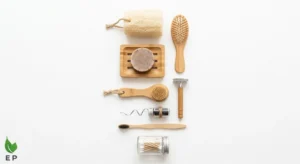
Not sold on loofahs at all? Here are some excellent loofah alternatives for shower that are also eco-friendly:
Here’s the complete scorecard:
| Category | Natural Loofah | Synthetic Sponge |
|---|---|---|
| Skin Exfoliation | ⭐⭐⭐⭐⭐ Excellent | ⭐⭐ Poor |
| Hygiene & Bacteria | ⭐⭐⭐⭐ Good | ⭐⭐ Poor |
| Eco-Friendliness | ⭐⭐⭐⭐⭐ Excellent | ⭐ Very Poor |
| Durability | ⭐⭐⭐ Moderate | ⭐⭐⭐ Moderate |
| Cost | ⭐⭐⭐⭐ Affordable | ⭐⭐⭐⭐ Affordable |
| Sensitive Skin | ⭐⭐⭐⭐ Good (when wet) | ⭐⭐⭐ Moderate |
| Sustainability | ⭐⭐⭐⭐⭐ Excellent | ⭐ Very Poor |
Overall Winner: Natural Loofah 🏆
The data is clear. When you weigh skin health, hygiene, environmental impact, and overall value, the natural loofah wins on almost every front.
The natural loofah vs synthetic sponge debate has a clear answer — and your skin, your health, and the planet are all voting for the same side. Natural loofahs deliver superior exfoliation, better hygiene when properly maintained, zero plastic waste, and a connection to centuries of natural skincare wisdom.
Synthetic sponges might feel luxuriously soft, but that softness comes at a cost: bacteria buildup, microplastic pollution, and zero real benefit for your skin.
Making the switch doesn’t have to be complicated. Start with one small change — swap your synthetic sponge for a natural loofah and feel the difference within days. Pair it with a bamboo toothbrush, charcoal dental floss, and organic cotton mesh bag to build a fully eco-conscious bathroom routine.
Your skin deserves better. The planet deserves better. And honestly? So do you. 🌿
👉 Shop Natural Loofah — 100% plant-based, biodegradable, and skin-loving 👉 Explore All Eco Products — Build your complete plastic-free bathroom 👉 Bath Loofah Sponge Pads — For a gentler, pad-style natural scrub
Small swaps. Big impact. Start today. 🌍


Subscribe our newsletter & get notification about information discount.
Subscribe to get special offers, free giveaways, and once-in-a-lifetime deals.