If you have ever stood in a shop or scrolled through an online store wondering about acrylic vs glass serving bowls, you are not alone. Both look beautiful on a dining table, both hold salads, fruit chaats and desserts nicely, and both come in lots of shapes and sizes. But they behave very differently once real life begins: kids running around, guests passing dishes, hot biryani arriving at the table, or a garden party in the middle of summer.
In this guide, we compare acrylic and glass serving bowls honestly. We look at durability, safety, weight, cleaning, heat, price and looks. By the end, you will know exactly which material suits your home, your family and your style of entertaining.
A serving bowl looks like a simple object, but the tableware material decides how long it lasts, how safe it is around food, and how stressful it feels to use. A heavy glass bowl might look elegant, yet it can make you nervous when a toddler is nearby. A light acrylic bowl may feel worry-free, yet it can disappoint you if you pour piping hot curry into it.
That is why the “which is better” question has no single answer. The smarter question is: which one fits the way you serve food? Once you understand how each material behaves, choosing becomes easy. If you like building a mindful kitchen, our guide to eco-friendly products in Pakistan is a good place to explore more durable, reusable choices.
Acrylic is a clear, rigid plastic that is made to look very much like glass. Good-quality acrylic has a crystal-clear finish, a smooth surface and a pleasing weight in the hand, without the fragility of real glass. Because it is moulded, manufacturers can create fun shapes, colours and textured patterns that would be expensive to produce in glass.
Many people choose an acrylic serving bowl set for picnics, kids’ parties and outdoor dining because the bowls feel sturdy and forgiving. If you want a closer look at how clear acrylic is used beyond the kitchen, see top 10 uses of clear acrylic boxes in Pakistan.
The biggest advantage is that acrylic is shatterproof. Drop a bowl on a tile floor and it will usually bounce or get a small mark, not explode into sharp pieces. That alone makes shatterproof serving bowls a favourite for families with small children and for busy hosts who move around a lot.
Acrylic is also lightweight. A large bowl full of salad is easy to lift, carry and pass around the table, which matters at big gatherings. Prices are usually friendlier than glass of similar size and clarity, so you can buy a bigger set without stretching your budget. And since acrylic comes in many shapes and tints, it is easy to match a party theme.
A few quick strengths to remember:
Acrylic has real weaknesses, and it is better to know them before buying. The surface scratches more easily than glass, so metal serving spoons and rough scrubbing can leave fine lines over time. Acrylic can also pick up stains from strongly coloured foods like tomato gravy or turmeric if the food sits for long hours. Heat is another limit: most acrylic bowls are not meant for very hot food and are not microwave safe.
Over years of use, some acrylic can turn slightly cloudy or yellowish, especially if it is washed with harsh cleaners or left in strong sunlight for long periods.
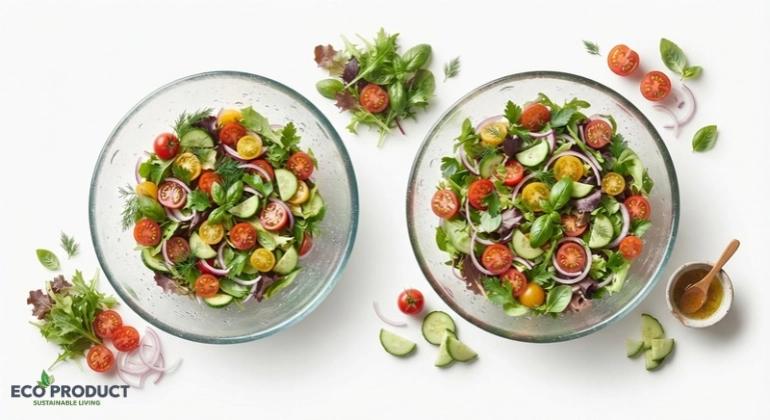
Glass has been used on dining tables for centuries, and for good reason. It is clear, non-porous and naturally elegant. Most modern kitchens use soda-lime glass, while higher-quality options use tempered glass or borosilicate glass, which handle temperature changes better. A glass serving bowl set instantly makes a table look polished, whether it holds a fresh salad, trifle or fruit chaat.
Glass does not absorb smells or colours, so it stays clean-looking for years. It resists scratches far better than acrylic, which means those transparent bowls keep their shine after hundreds of washes. Glass is also a trusted food-safe material because it does not react with acidic foods such as lemon-based salads, pickles or tamarind chutney.
Many glass bowls are dishwasher safe and some tempered or borosilicate types are heat resistant and even microwave safe, which makes them extremely versatile. Finally, glass simply feels premium. That weight and clarity can lift even simple food into something that looks special.
Key strengths at a glance:
The obvious downside is breakability. A glass bowl that slips from wet hands can shatter, and cleaning up tiny shards is both annoying and risky. Glass is also heavier, so a big bowl filled with food can feel awkward to carry, especially for older family members or kids.
Standard glass can crack from sudden temperature changes, like hot food poured into a cold bowl, unless it is labelled as tempered or heat resistant. Larger, thicker glass bowls can also cost more than acrylic equivalents.
When people compare acrylic vs glass bowls durability, they usually mean two different things: surviving a fall and surviving daily use.
For falls, acrylic wins. It is break-resistant and handles knocks, drops and rough transport far better than glass. For daily use over many years, glass often wins, because its surface stays smooth and clear while acrylic slowly collects scratches.
So the honest answer depends on your lifestyle. In a busy home with children, acrylic may last longer simply because it survives accidents. In a calm kitchen where bowls are mostly displayed or used carefully, glass can keep looking brand new for a very long time. Think about where your bowls will spend most of their lives, then choose accordingly.
This is one of the most searched questions, and it deserves a clear answer. Are acrylic bowls safe for food? Yes, when they are made from genuine food-grade acrylic and used the right way. Reliable products are labelled food-safe and BPA-free, and they are meant for serving cold or room-temperature dishes such as salads, snacks, fruit, dips and desserts.
The question are acrylic bowls toxic usually comes from worry about cheap plastics. The problem is rarely acrylic itself; it is low-quality, unlabelled products and misuse, such as pouring boiling liquids into a bowl that is not designed for them. Always check the manufacturer’s label, buy from a trustworthy seller, and avoid using damaged, deeply scratched or melted bowls for food.
Is glass safer than acrylic for food? Glass has a slight edge in simplicity: it is inert, non-porous and does not depend on a label for chemical reassurance. If you want zero doubts and plan to serve hot, oily or acidic dishes often, glass is the easier choice. If you want a safe, lightweight option for cold serving, good acrylic is perfectly fine.
Heat is where the two materials separate clearly. Can you put hot food in acrylic bowls? It is best not to. Most acrylic softens, warps or clouds under high heat, so keep it for cold and room-temperature food. Acrylic is also not microwave safe.
Glass behaves differently. Tempered and borosilicate glass are heat resistant and often safe for the microwave, though you should always follow the product label and avoid sudden temperature jumps, like moving a bowl from the fridge straight into a hot oven.
Dishwashers raise another question: can acrylic bowls go in the dishwasher? Some are labelled dishwasher safe on the top rack, but many last longer with gentle hand washing. Glass bowls handle dishwashers much better, as long as they are placed carefully so they do not knock into other items.
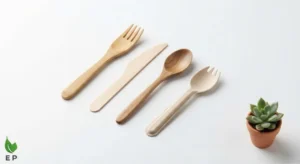
Do acrylic bowls scratch easily? Compared with glass, yes. Avoid steel wool, abrasive powders and metal utensils. Use soft sponges and wooden or bamboo serving spoons instead. If you enjoy natural kitchen tools, our reusable bamboo cutlery set is a gentle match for delicate bowls.
Does acrylic stain or discolor? It can, mostly with strongly coloured sauces left for hours. Rinse soon after serving and avoid long storage of tomato, turmeric or beetroot-based dishes in the bowl.
How to clean cloudy acrylic bowls? Wash with lukewarm water, a few drops of mild dish soap and a soft cloth, then dry with a microfibre towel. Avoid ammonia, alcohol-heavy cleaners and rough scrubbers, which can worsen the cloudiness. For light haze, a cleaner made specifically for plastics or acrylic can restore shine.
Glass is much easier here. It resists both stains and scratches, and a simple wash or dishwasher cycle usually keeps it sparkling.
For garden parties, picnics, poolside dinners and barbecues, glass vs acrylic bowls for outdoor use is not a close fight. Acrylic is lighter, safer on hard ground and far more forgiving if someone knocks the table. Nobody wants broken glass on grass where children and pets are running around.
That said, avoid leaving acrylic in strong direct sun for long hours, as it can warp or discolour over time. If you are planning an outdoor celebration, our BBQ and outdoor party kit with eco-friendly cutlery, cups and straws pairs nicely with acrylic serving bowls.
| Feature | Acrylic Serving Bowls | Glass Serving Bowls |
|---|---|---|
| Durability against drops | Excellent, shatterproof | Low, can break or chip |
| Scratch resistance | Moderate, scratches easily | High |
| Weight | Lightweight | Heavy |
| Hot food | Not recommended | Good (tempered/borosilicate) |
| Microwave | Not safe | Often safe if labelled |
| Dishwasher | Sometimes, top rack | Usually safe |
| Stain resistance | Can stain over time | Very high |
| Outdoor use | Excellent | Risky |
| Look and feel | Glass-like, modern | Premium, classic |
| Price | Budget-friendly | Often higher |
When you are shopping for the best serving bowls for parties, start with your guests and your menu. Large gatherings with many children usually call for acrylic because it is light, safe and stress-free. Formal dinners, Eid lunches and special dessert tables often look better in glass, which adds shine and a premium feel to the spread.
A smart approach is to mix both. Use acrylic for salads, chips, nuts, fruit and outdoor tables. Use glass for trifles, hot side dishes, cold desserts and anything you want to display elegantly. Also think about size: you will usually need one large bowl for salad, a few medium ones for sides and several small ones for chutneys and dips. A punch bowl can double as a centrepiece for drinks and fruit-based mocktails.
If you like a classic crystal-style look, take a look at this crystal bowl round for a table-ready option. For a neat serving surface to pair with your bowls, the acrylic round tray is a handy extra, and you can browse more clear options in our acrylic category.
| If you want… | Choose |
|---|---|
| Safety around kids and pets | Acrylic |
| Outdoor parties and picnics | Acrylic |
| Hot dishes or microwave use | Glass |
| Long-lasting clarity | Glass |
| Lowest price for a big set | Acrylic |
| Elegant formal table | Glass |
Many shoppers also ask about acrylic vs glass vs plastic bowls. Standard plastic bowls are the cheapest and lightest, but they usually look less refined, stain more easily and wear out faster. Acrylic sits in the middle: it offers the clear, polished look of glass with much better impact resistance than glass. Glass remains the most scratch-resistant and heat-tolerant of the three. If you want to understand how different clear materials compare in everyday use, read acrylic boxes vs plastic boxes for a similar breakdown.
So, acrylic or glass serving bowls, which is better? The honest answer is that neither wins every round. Acrylic is better for safety, portability, outdoor use and budget. Glass is better for heat, longevity of clarity, easy cleaning and a premium look.
If you can only buy one set, choose based on your biggest daily need. Families with young children and frequent outdoor gatherings will be happier with acrylic. People who love formal tables, serve warm dishes and want a bowl that looks new for years should pick glass. And if you have space and budget, owning a small set of each gives you the best of both worlds.
It depends on how you use them. Acrylic is better for safety and outdoor serving, while glass is better for hot food, easy cleaning and long-lasting clarity.
Acrylic is better when you need lightweight, break-resistant bowls for cold or room-temperature food. Glass is better when you need heat resistance and scratch resistance.
Yes, acrylic scratches more easily than glass. Use soft sponges and wooden or bamboo spoons to protect the surface.
It can stain with strongly coloured foods if they stay in the bowl for long. Rinse soon after serving to avoid marks.
Some can, usually on the top rack, but check the label. Gentle hand washing generally helps them last longer.
It is not recommended. Acrylic can warp or cloud with heat, so keep it for cold and room-temperature dishes.
Glass is inert and non-porous, so it is a very safe choice. Food-grade, BPA-free acrylic is also safe when used as intended.
Large glass bowls can feel heavy when full, which is why many hosts prefer acrylic for big salads and outdoor events.
There is no single best material. Acrylic suits casual, outdoor and kid-friendly use, while glass suits formal, hot and everyday use.
Acrylic bowls are usually best outdoors because they are lightweight and shatterproof.
Yes, if you value safety, portability and price, and you follow care instructions.
Match the material to your guests, menu and setting, and mix sizes for salads, sides and dips.
Use lukewarm water, mild soap and a soft cloth, avoid harsh chemicals, and use a plastic-safe polish for stubborn haze.
Food-grade, BPA-free acrylic from a trusted seller is considered safe for normal serving. Avoid damaged bowls and never use them beyond their heat limits.
Acrylic looks like glass but is lighter and shatterproof, glass is the most scratch- and heat-resistant, and basic plastic is the cheapest but least durable.
Choosing between acrylic and glass serving bowls is really about choosing between two strengths. Acrylic gives you safety, lightness and freedom from the fear of breakage. Glass gives you heat tolerance, lasting clarity and a classic, premium feel. Once you know how you serve, who you serve and where you serve, the right answer becomes obvious.
Whichever you pick, buy food-safe, well-made pieces, follow the care instructions and keep your serving tools gentle. Small habits like these protect your bowls for years and keep your table looking beautiful.
Explore our shop for serving-friendly essentials, or read our sustainable living guide for Pakistan to build a smarter, longer-lasting kitchen. Have a question about choosing the right bowls? Contact the EcoProduct.pk team and we will gladly help.

Author at Eco Product — passionate about sustainable living and eco-friendly products.

Subscribe our newsletter & get notification about information discount.
Subscribe to get special offers, free giveaways, and once-in-a-lifetime deals.