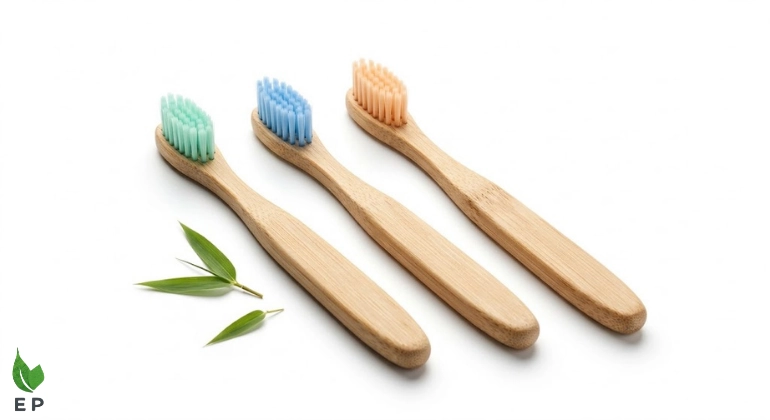
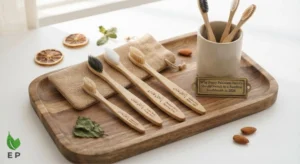
Choosing the right toothbrush for your little one might seem like a small decision, but it actually shapes their entire relationship with oral hygiene. A Kids Bamboo Toothbrush offers something plastic brushes simply cannot — a gentle, natural, and planet-friendly way to care for young teeth while teaching children the value of sustainability from an early age. As more parents in Pakistan search for safer alternatives to plastic-heavy products, bamboo toothbrushes have quietly become one of the smartest swaps in any child’s daily routine.
This guide walks you through everything worth knowing — from why bamboo is better for tiny mouths, to how it compares with plastic, and how to make the switch without any hassle.
Most parents don’t think twice about the toothbrush sitting in their child’s cup. It’s plastic, it’s colorful, and it does the job — so why change it? The truth is, plastic toothbrushes contribute heavily to landfill waste, and their bristles are often made with materials that aren’t ideal for developing gums. Every year, millions of plastic toothbrushes are discarded worldwide, and since they don’t biodegrade, they sit in the environment for centuries.
A Bamboo Toothbrush for Kids flips this story entirely. The handle is crafted from a rapidly renewable natural resource, and it breaks down naturally once it reaches the end of its life. For parents who are already trying to build an eco-conscious parenting lifestyle at home, switching your child’s toothbrush is one of the easiest and most meaningful first steps.
At first glance, a bamboo toothbrush might look similar to a regular one — but the differences run much deeper than the handle material.
Bamboo grows incredibly fast, requires no pesticides, and is naturally antibacterial. That means the handle your child holds every single day isn’t just eco-friendly — it’s also naturally resistant to bacterial buildup, something plastic simply can’t offer without added chemical treatments. The natural bamboo handle is smooth, lightweight, and easy for small hands to grip.
Children’s gums are far more sensitive than adult gums, which is why the bristle quality matters just as much as the handle. A good Soft Bristle Toothbrush for Children uses BPA-free nylon bristles that are gentle enough to avoid irritating soft tissue while still being effective at clearing away plaque. This combination of a natural handle and gentle bristles is exactly why so many parents are moving toward the Kids Bamboo Toothbrush as their go-to oral care tool.
There isn’t just one reason to switch — there are several, and together they make a compelling case for parents who care about both their child’s health and the environment.
Beyond these practical points, there’s also an emotional layer to this choice. When children see their toothbrush as something natural rather than “just another plastic toy,” it subtly shifts how they view consumption and waste — a lesson that pays off for years to come.
Safety is naturally the first thing parents ask about, and rightly so. A well-made Bamboo Toothbrush for Toddlers is designed with rounded bristle tips, a smooth handle finish, and a size that fits comfortably in small hands without being difficult to control. Unlike some plastic alternatives that use recycled or unspecified materials, quality bamboo brushes are transparent about their sourcing — often labeled clearly as Non-Toxic Toothbrush options free from BPA, PVC, and synthetic dyes.
It’s also worth mentioning that bamboo naturally resists moisture buildup better than plastic, which means there’s less chance of bacteria settling into the handle between brushing sessions. For a toddler who’s still learning proper hand-eye coordination, this makes the toothbrush safer for extended contact with their mouth, gums, and cheeks during those early, messy brushing years.
Every parent wants their child to grow up with good values, and environmental responsibility is quickly becoming one of the most important lessons a family can pass down. Choosing a Sustainable Toothbrush for Kids isn’t just about reducing plastic in your own home — it’s about modeling behavior. Children are remarkably observant, and when they see their parents making conscious choices, they start to understand that everyday objects carry consequences.
This is where brands focused on sustainable living in Pakistan are helping shift the national conversation, one small household swap at a time. A toothbrush might feel like a tiny piece of the puzzle, but multiplied across thousands of families, it becomes a meaningful reduction in plastic waste entering the environment each year.
Not every bamboo toothbrush is created equal, and a few small details can make a big difference in how well it performs for your child.
| Feature | Kids Bamboo Toothbrush | Standard Plastic Toothbrush |
|---|---|---|
| Handle Material | Natural, biodegradable bamboo | Petroleum-based plastic |
| Bristle Type | Ultra-soft, BPA-free nylon | Often medium-soft, mixed materials |
| Grip Size | Designed for small hands | Sometimes oversized for kids |
| End-of-Life | Compostable handle | Non-biodegradable waste |
| Bacterial Resistance | Naturally antibacterial | Requires chemical treatment |
When shopping, look for a brush with a handle length suited to your child’s age, bristles labeled as extra-soft, and clear certification that the materials are BPA-free. If you’re also outfitting the rest of the bathroom, pairing it with a Bamboo Toothbrush Holder keeps things organized and mold-free between uses.
Caring for a bamboo toothbrush is refreshingly simple, though it does differ slightly from plastic brush maintenance. Since bamboo is a natural material, keeping it dry between uses is important to prevent premature softening of the handle. Rinsing thoroughly after each brushing session and storing it upright in a well-ventilated holder — rather than a closed cup — helps the wood stay in good condition for its full lifespan.
Parents who are curious about the finer details of upkeep can check out this dedicated guide on how to keep a bamboo toothbrush clean, which covers simple daily habits that extend the brush’s usability. And if you’re wondering whether sterilizing methods like boiling are safe for the handle, this article on boiling a bamboo toothbrush answers that question in detail.
On average, most dental professionals recommend replacing any toothbrush — bamboo or plastic — every three months, or sooner if the bristles start to fray. For kids specifically, keep an eye on bristle wear since more enthusiastic (and less controlled) brushing habits in toddlers can shorten a brush’s lifespan slightly.
One of the most rewarding parts of switching to a bamboo option is what happens after the brush’s life ends. Unlike plastic, which sits indefinitely in landfills, a bamboo handle can be composted, repurposed, or broken down naturally depending on how it’s disposed of. For families wanting to close the loop entirely, this article on six eco-friendly ways to recycle a bamboo toothbrush offers creative reuse ideas beyond simply tossing it in the trash.
It’s a small but satisfying feeling knowing that even after your child outgrows one brush and moves to the next, the old one isn’t contributing to a growing plastic problem.
Across Pakistan, more parents are actively researching alternatives to everyday plastic products, and oral care is often one of the first areas they focus on. Many describe the switch as surprisingly easy — kids adapt quickly to the lighter, natural feel of the handle, and parents appreciate not adding another piece of non-biodegradable plastic to their home each season.
If you’re curious about why this shift is gaining momentum nationally, this piece on why every family should switch to bamboo toothbrushes in Pakistan breaks down the bigger picture, while this buyer’s guide to eco-friendly toothbrushes helps you compare options if you’re outfitting the whole family, not just your child.
Choosing a Kids Bamboo Toothbrush isn’t just a purchase — it’s a small daily decision that shapes both your child’s health habits and their understanding of the world around them. From gentler bristles that protect sensitive gums, to a biodegradable handle that won’t linger in a landfill for centuries, this simple swap checks every box a thoughtful parent is looking for.
If you’re ready to make the change, explore our full range of eco-friendly oral care essentials and give your child’s smile the safe, natural start it deserves. Every small switch adds up — and this one starts right at the bathroom sink.
Is a bamboo toothbrush safe for toddlers? Yes, bamboo toothbrushes designed for toddlers use extra-soft, BPA-free bristles and smooth handles that are gentle on developing gums, making them a safe choice for young children.
How often should I replace my child’s bamboo toothbrush? Most dentists recommend replacing any toothbrush every three months, though bamboo brushes should be checked slightly earlier if bristles show signs of fraying.
Can I boil my child’s bamboo toothbrush to sanitize it? Boiling is possible but should be done carefully, as prolonged exposure to heat can soften the bamboo handle. For guidance, check our dedicated care guide on the topic.
How do I dispose of a bamboo toothbrush once it’s worn out? Bamboo handles can be composted or repurposed for household tasks, while bristles should typically be removed and disposed of separately since most are still nylon-based.
Why is bamboo better than plastic for kids’ toothbrushes? Bamboo is naturally antibacterial, biodegradable, and free from the petroleum-based materials found in plastic brushes, making it a safer and more sustainable option overall.

Subscribe our newsletter & get notification about information discount.
Subscribe to get special offers, free giveaways, and once-in-a-lifetime deals.