If you’ve ever watched a beautifully baked cake lose its shine because of a flimsy container, you already know why packaging matters just as much as the baking itself. Choosing the right acrylic box for bakery products isn’t just a packaging decision — it’s a presentation decision, a protection decision, and honestly, a branding decision all rolled into one clear, sturdy box. Whether you run a home bakery, a full-scale patisserie, or a bakery supply business, picking the right acrylic box for bakery items can be the difference between a product that looks premium on a shelf and one that gets overlooked entirely.
In this guide, we’ll walk through everything that actually matters when selecting acrylic bakery packaging — from thickness and lid design to ventilation, sizing, and sustainability. By the end, you’ll know exactly what to look for and what to avoid, without getting lost in technical jargon.
It’s easy to assume packaging is an afterthought — something you grab once the cake or cupcakes are ready. But in reality, bakery packaging boxes do three jobs simultaneously: they protect delicate food, they showcase it, and they carry your brand’s first impression to the customer’s hands.
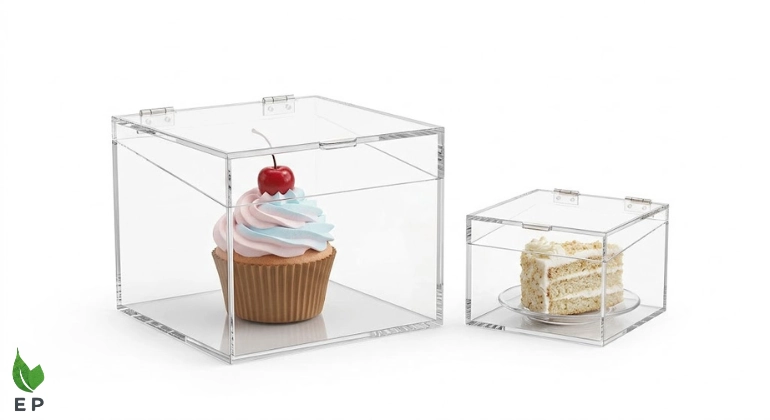
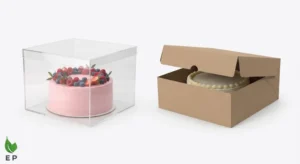
Acrylic bakery boxes have become especially popular because they solve a problem cardboard simply can’t — visibility. Customers want to see what they’re buying before they open the box, and a clear acrylic display box for bakery items delivers exactly that. It’s why you’ll notice premium cake shops, cupcake counters, and pastry displays increasingly ditching plain boxes in favor of transparent packaging that lets the product speak for itself.
There’s also a practical layer here. Bakery items are fragile, moisture-sensitive, and often need to travel — whether that’s from kitchen to display counter or from your store to a customer’s home. A poorly chosen box can mean squished frosting, cracked cookies, or a soggy pastry base. A well-chosen one keeps everything intact, fresh, and visually appealing from the moment it’s packed to the moment it’s opened.
Before diving into selection criteria, it helps to understand what makes acrylic different from ordinary plastic packaging. Acrylic is a rigid, glass-like material known for its clarity, strength, and resistance to shattering — qualities that make it ideal for food-grade acrylic material used in packaging.
Unlike thin, flexible plastic wraps or basic PET containers, acrylic boxes hold their shape under pressure, resist scratching better over time, and give products a polished, almost boutique-style presentation. This is precisely why you’ll see options like the clear straight acrylic box with lid used so widely for cakes, cupcakes, and delicate pastries — the rigid structure keeps the product safe while the clarity keeps it visible.
Acrylic packaging generally falls into a few common categories:
Each style serves a slightly different purpose, which is exactly why understanding your product first is the real starting point of choosing the right box.
This is where most of the real decision-making happens. Getting these factors right means the difference between packaging that simply “does the job” and packaging that actively enhances your bakery’s presentation and reputation.
The most common packaging mistake bakers make is choosing a box based on what looks nice rather than what actually fits. A box that’s too large leaves your cake or cupcakes sliding around during transport, while one that’s too tight can crush delicate frosting or decorations the moment the lid goes on.
When reviewing acrylic box sizes for bakery use, measure your product at its widest point — including any toppings, drizzle, or decorative elements — and add a small buffer of breathing room. For cupcakes specifically, an acrylic box for cupcakes usually needs individual compartments or raised inserts to prevent shifting, since cupcakes are notoriously easy to tip over in transit.
If you’re packaging a range of products, from cake slices to full cakes, it’s worth browsing dedicated options like cake slice boxes, single cupcake boxes, or standard cake boxes to see how sizing is typically standardized across bakery packaging lines.
Bakery box thickness isn’t just a technical spec — it’s what determines whether your packaging survives a delivery bike ride, a stack in a display fridge, or a customer tossing it into their car. Thinner acrylic sheets are lighter and more affordable, but they flex more and can crack under pressure or repeated handling.
For everyday bakery use, a moderate-to-thick acrylic sheet strikes the right balance between durability and cost. If you’re shipping products or stacking boxes for retail display, prioritizing bakery box durability over saving a few cents per unit will save you far more in damaged goods and unhappy customers down the line.
This is a detail many bakers overlook until it becomes a daily annoyance. Acrylic box hinge and lid design affects how easily staff can pack products quickly during busy hours, and how conveniently customers can open the box without wrestling with a tight-fitting lid.
Hinged lids that snap securely but open smoothly are ideal for retail environments, while fully removable lids work well for larger cakes that need to be lifted out cleanly. It’s a small design choice, but one that shapes daily operational efficiency far more than most bakery owners expect going in.
Not all bakery items behave the same inside a sealed box. Items like bread, certain pastries, or anything with a crisp exterior can turn soggy if trapped moisture has nowhere to escape. This is where acrylic box ventilation becomes relevant — small perforations or vented sections allow airflow without compromising the box’s structural integrity or its dust-proof cake box qualities for more moisture-sensitive items like frosted cakes.
The general rule: dense, moist items like cakes benefit from sealed, dust-proof packaging, while drier baked goods often need at least minimal ventilation to stay crisp rather than steamed.
A generic box does a job. A custom acrylic bakery box builds a brand. Many bakery packaging boxes today offer customization through printed labels, embossed logos, or colored accents that align with a shop’s branding — turning simple packaging into a marketing touchpoint that customers photograph and share online.
If you’re aiming to build recognition, even something as simple as a consistent logo sticker on an otherwise clear box can make your products instantly identifiable across social media and delivery platforms.
One question that comes up constantly is whether acrylic is genuinely worth choosing over standard plastic packaging. The comparison isn’t as close as it might seem once you look at it side by side.
| Feature | Acrylic Packaging | Standard Plastic Packaging |
|---|---|---|
| Clarity | Glass-like, high transparency | Often cloudy or yellowed over time |
| Durability | Rigid, resists cracking under pressure | Prone to bending, scratching easily |
| Presentation Value | Premium, boutique-style appearance | Basic, utilitarian look |
| Reusability | Sturdy enough for repeated use | Usually single-use |
| Cost | Slightly higher upfront cost | Cheaper initially |
The plastic vs acrylic packaging debate really comes down to what you’re optimizing for. If cost is the only concern, thin plastic wins short-term. But if presentation, durability, and long-term customer perception matter — which they should for any bakery aiming to build a loyal base — acrylic consistently outperforms. For a deeper breakdown, our guide on acrylic boxes vs plastic boxes covers this comparison in even more detail.
Sustainability has moved from a “nice-to-have” to a genuine customer expectation, and bakery packaging is no exception. While acrylic itself is a durable, reusable material — a meaningful upgrade over single-use plastic clamshells — many bakeries are now pairing it with eco-friendly bakery packaging practices across their entire product line.
This might mean combining acrylic boxes with recyclable inserts, reducing unnecessary layers of packaging, or sourcing sustainable packaging material for secondary items like bags and wrapping. The reusability factor of acrylic also plays a quiet but important role here: because it doesn’t crack or degrade like thin plastic, a well-made acrylic box can be reused multiple times before disposal, reducing overall packaging waste in a way flimsier alternatives simply can’t match.
Theory is helpful, but seeing how this plays out with actual products makes the decision far easier. Here’s how different bakery items typically pair with specific acrylic packaging styles:
If you’re building out a full bakery packaging system rather than a single product line, browsing the complete acrylic box category alongside broader bakery packaging options — including cake boards and cake drum boards — helps ensure every product in your lineup has packaging that actually fits, rather than forcing one box style to do a job it wasn’t designed for.
Acrylic box pricing varies based on thickness, size, and whether customization is included, but it’s worth resisting the temptation to chase the absolute lowest price point available. Thinner, cheaper acrylic often cracks faster, scratches more visibly, and ends up costing more in replacements and damaged goods over a few months of regular use.
Instead, it’s smarter to evaluate acrylic sheet quality alongside price — checking for consistent thickness, clean edges, and secure lid mechanisms before committing to a bulk order. Working with an established bakery box manufacturer who can walk you through material specifications also removes a lot of guesswork, especially if you’re ordering at scale for a growing bakery business.
Before finalizing your order, it’s worth running through a short mental checklist:
Running through these five points takes only a couple of minutes but prevents the far more time-consuming problem of reordering packaging after realizing it doesn’t actually work for your products.
Choosing the right acrylic box for bakery products ultimately comes down to understanding your product first, then matching that understanding to the right size, thickness, lid style, and ventilation needs. It’s a small decision on paper, but it directly shapes how customers perceive your bakery — from the first glance on a shelf to the moment they lift the lid at home. Get it right, and your packaging becomes a quiet extension of your brand’s quality standard, not just a container.
If you’re ready to upgrade your bakery’s packaging with sturdy, display-ready acrylic boxes, explore the full acrylic box collection and find the perfect fit for your product lineup today.
What is the best acrylic box thickness for bakery items? For most bakery products, a moderate thickness offers the best balance between durability and cost. Heavier items like multi-tier cakes benefit from thicker acrylic, while smaller pastries can use lighter options without issue.
Are acrylic boxes better than plastic for bakery packaging? Yes, in most practical scenarios. Acrylic offers greater clarity, sturdier structure, and better reusability compared to standard plastic packaging, which tends to scratch, cloud, or crack more easily over time.
Do acrylic bakery boxes need ventilation? It depends on the product. Moist items like frosted cakes usually need sealed, dust-proof boxes, while drier baked goods benefit from slight ventilation to prevent sogginess.
Can acrylic boxes be customized with branding? Absolutely. Many bakery packaging boxes support printed logos, colored accents, or branded stickers, making them a practical marketing tool alongside their protective function.
Where can I buy quality acrylic boxes for bakery products? You can browse a full range of sizes and styles directly in our acrylic box category, covering everything from cupcake boxes to full cake display containers.

Subscribe our newsletter & get notification about information discount.
Subscribe to get special offers, free giveaways, and once-in-a-lifetime deals.