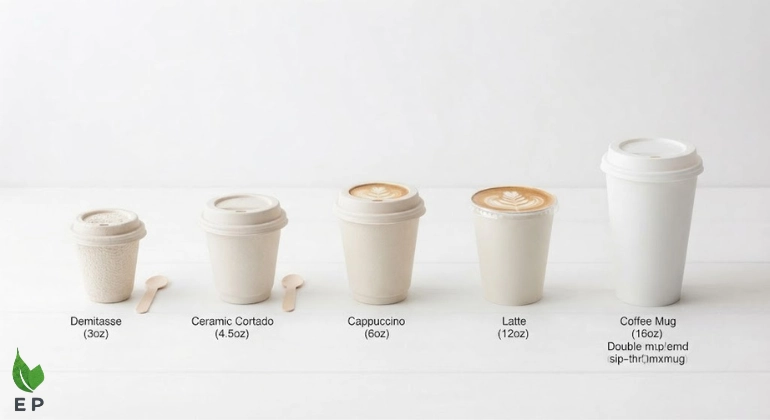
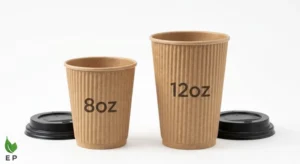
Choosing the right coffee cup size for your cafe is one of those decisions that seems small but quietly shapes almost everything else in your business — from customer satisfaction to your monthly supply budget. If you’ve ever stood in front of a cup supplier’s catalog wondering whether you need 8oz, 12oz, or 16oz cups, you’re not alone. Getting your coffee cup size for cafe operations right isn’t just about aesthetics; it directly affects your costs, your branding, and how customers perceive the value of what they’re drinking.
In this guide, we’ll walk through everything you need to know about how to choose coffee cup size for your specific cafe setup — whether you’re running a cozy dine-in space, a fast-paced takeaway counter, or a drive-thru operation. By the end, you’ll have a clear, practical framework for picking sizes that make sense for your menu, your customers, and your bottom line.
It’s easy to assume cup size is a minor logistical detail. In reality, it influences several parts of your business at once.
When you look at it this way, choosing the right cup size for coffee shop operations becomes less of a minor purchasing decision and more of a strategic one.
Before you can choose wisely, it helps to understand the standard coffee cup sizes used across the industry. Here’s a simple cafe cup size chart to reference:
| Cup Size | Volume (oz/ml) | Best For |
|---|---|---|
| Extra Small | 2–4oz (60–120ml) | Espresso shots |
| Small | 6–8oz (180–240ml) | Cappuccino, macchiato |
| Medium | 10–12oz (300–350ml) | Latte, americano |
| Large | 14–16oz (400–475ml) | Mocha, iced coffee |
| Extra Large | 20oz+ (590ml+) | Cold brew, specialty drinks |
One of the most common questions cafe owners ask is about espresso cup size vs latte cup size. Here’s the simple breakdown:
If you’re stocking your counter, browsing options like the 8oz white double wall coffee cup or the 12oz white double wall coffee cup gives you flexibility to cover both smaller and larger drink categories without overcomplicating your inventory.
For cafes with a strong to-go customer base, takeaway coffee cup sizes deserve special attention. Customers ordering on the move often prefer:
Options like the 8oz insulated ripple double wall paper coffee cup or the 12oz insulated ripple double wall paper coffee cup are particularly popular for takeaway cups because the insulation keeps drinks hot longer without needing an extra sleeve.
Now that you know the standard sizes, let’s talk about the actual decision-making process. How to choose coffee cup size really comes down to five key factors.
Start by listing your core menu items. A cafe that specializes in espresso-based drinks needs a different cup lineup than one focused on iced coffees and cold brews. Match your cup sizes to your most-ordered drinks first, then fill in gaps for specialty items.
Think about who walks through your door:
The material you choose affects both size perception and customer experience.
Bigger isn’t always better for your margins. Oversized cups can lead to over-pouring, wasted ingredients, and inflated costs. A well-planned cafe cup size chart paired with portion control training for your baristas keeps costs predictable and consistent.
Your cup size and design are part of your brand identity. A well-chosen, well-branded cup — especially a customized coffee cup with screen printing — turns every order into a small marketing moment, particularly for takeaway customers who carry your branding out into the world.
When narrowing down your options, it helps to directly compare how different sizes perform across key business factors.
| Factor | Small (6–8oz) | Medium (10–12oz) | Large (14–16oz+) |
|---|---|---|---|
| Best for | Espresso, cappuccino | Latte, americano | Iced coffee, cold brew |
| Cost per unit | Lower | Moderate | Higher |
| Customer perception | Compact, premium | Balanced value | Generous, filling |
| Ideal setting | Dine-in, quick service | All-purpose | Takeaway, drive-thru |
This kind of coffee cup size comparison makes it easier to build a menu-matched inventory instead of guessing.
Sustainability isn’t just a trend anymore — it’s an expectation. More cafe customers are actively looking for businesses that prioritize eco-conscious packaging.
Some practical steps:
Sustainable packaging choices, when paired with the right cup sizing strategy, strengthen both your brand reputation and customer loyalty — something covered in more depth in our piece on 10 easy zero-waste swaps for Pakistani businesses.
Even experienced cafe owners fall into a few predictable traps. Watch out for these:
Avoiding these missteps saves you money and prevents unnecessary customer complaints down the line.
Here’s a fast-reference checklist you can use when finalizing your cup lineup:
For bulk ordering and full inventory planning, browsing the complete coffee cup category or coffee cup carrier category can help you compare options side by side before placing your order. And if you’re new to sourcing eco-friendly supplies in bulk, this breakdown of why EcoProduct.pk is Pakistan’s most trusted eco-friendly store explains what to look for in a reliable supplier.
Choosing the right coffee cup size isn’t a one-time decision you make and forget — it’s something worth revisiting as your menu evolves, your customer base grows, and sustainability expectations shift. Start with a simple, well-researched cafe cup size chart, match your sizes to your actual best-selling drinks, and don’t be afraid to adjust based on real customer feedback.
Get this one detail right, and you’ll notice the ripple effects everywhere: fewer wasted ingredients, happier customers, a more consistent brand experience, and a menu that just makes sense.
Ready to upgrade your cafe’s cup lineup? Explore our full range of coffee cups, carriers, and eco-friendly accessories at EcoProduct.pk — and build a cup strategy that works as hard as your baristas do.
Most cafes benefit from stocking 3–4 core sizes: a small (6–8oz) for espresso-based drinks, a medium (10–12oz) for lattes and americanos, and a large (14–16oz) for iced coffee or specialty beverages.
The most common standard sizes across cafes globally are 8oz, 12oz, and 16oz, covering the majority of hot and cold coffee orders.
Espresso is best served in a 2–4oz cup to preserve its concentrated flavor, while lattes need 10–12oz cups to accommodate steamed milk and foam.
Start by analyzing your menu’s most popular drinks, then match cup sizes to those orders first. Add one or two larger sizes for specialty or cold beverages once your core lineup is set.
Menu type, customer preferences, material choice, cost efficiency, and branding all play a role in determining the ideal cup size for your cafe.
Cup size affects customer perception of value, ingredient costs, portion consistency, and overall brand experience — making it a strategic rather than purely operational decision.
Smaller cups generally offer better profit margins per unit due to lower ingredient use, but larger cups can drive higher per-order revenue, especially for iced or specialty drinks.
Standardize your cup sizes to match actual drink volumes, avoid over-pouring by training staff on portion control, and choose cost-efficient materials like insulated paper cups that reduce the need for extra sleeves.


Subscribe our newsletter & get notification about information discount.
Subscribe to get special offers, free giveaways, and once-in-a-lifetime deals.