Moving house is often ranked right up there with major life stressors, and anyone who has packed a kitchen full of glassware at midnight before a morning truck arrival knows exactly why. The real secret to a smooth, damage-free move almost always comes down to one overlooked factor: using the best packaging materials for safe home relocation. Whether you are shifting across the street in Karachi or relocating to an entirely new city, the right combination of boxes, wraps, and padding can mean the difference between unpacking happily and discovering a shattered dinner set. This guide walks you through everything you need to know, material by material, so your next move feels organized rather than chaotic.
It’s tempting to think any cardboard box or roll of tape will do the job, but relocation puts items through a surprising amount of stress — vibration from the truck, shifting weight during loading, stacking pressure, and the occasional bump against a doorframe. Without proper packaging materials for moving house, even sturdy items like wooden furniture or kitchen appliances can end up scratched, dented, or cracked.
Good packing materials do three things simultaneously: they absorb shock, they distribute weight evenly, and they keep items from moving around inside their containers. This is exactly why professional movers rely on a specific toolkit rather than whatever boxes happen to be lying around. Investing a little time and money upfront in quality supplies almost always saves far more in replacement costs and repair bills later. If you’re looking for a trusted source for these supplies, our complete guide to packing boxes for home shifting breaks down exactly which box types suit which rooms.
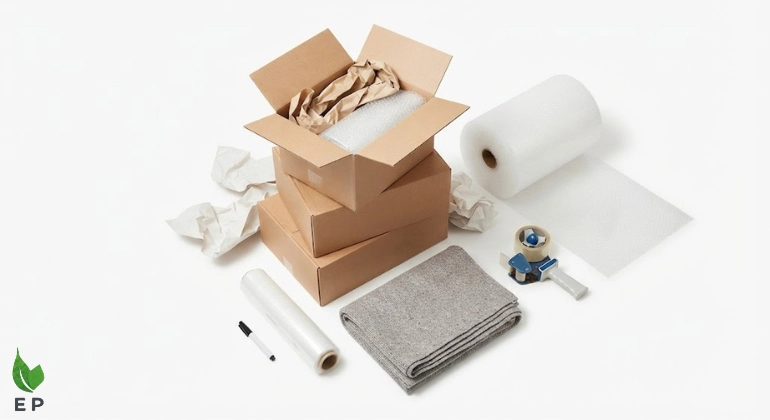
Before diving into each material individually, it helps to see the full picture at a glance. Below is a practical essential packing materials checklist that covers almost every category of household item you’ll need to protect during a move.
| Material | Best Used For | Why It Matters |
|---|---|---|
| Cardboard boxes (3-ply/5-ply) | Books, clothes, kitchenware, general items | Provides structure and stacking strength |
| Bubble wrap | Glassware, electronics, decor pieces | Absorbs shock and prevents cracking |
| Packing paper | Dishes, cups, small fragile items | Fills gaps and prevents scratching |
| Packing tape | Sealing boxes securely | Keeps contents from spilling during transit |
| Moving blankets | Furniture, wooden surfaces | Prevents scratches and dents |
| Stretch wrap | Sofas, mattresses, furniture bundles | Holds items together and shields from dust |
| Foam sheets | TVs, mirrors, framed art | Extra cushioning for flat fragile surfaces |
| Mattress bags | Mattresses and box springs | Protects from dirt, moisture, and tears |
This table is a handy reference, but the real value comes from understanding why each material earns its place on the list — so let’s unpack that in detail.
If packaging materials had a captain, it would be the humble cardboard box. Nearly everything you own eventually ends up inside one, which makes moving boxes and packing supplies the single most important category to get right. Box sizes matter more than people expect — oversized boxes tempt you to overload them with heavy books, causing bottoms to collapse mid-carry, while undersized boxes waste space and multiply your workload unnecessarily.
For most households, a mix of small, medium, and large boxes works best. Small boxes suit dense items like books and kitchen tools, medium boxes handle clothing and toys, and large boxes are reserved for lightweight bulky items such as bedding or cushions. Heavy-duty boxes with reinforced double walls are worth the slight extra cost for anything you plan to stack or transport over long distances. If you’re sourcing supplies locally, our range of 3-ply and 5-ply standard moving boxes is specifically designed to handle the stress of home shifting without buckling.
A detail many people overlook is labeling boxes clearly on multiple sides, not just the top. When boxes are stacked in a truck, you often can’t see the top label at all, so side labeling saves enormous time during unloading and keeps your unpacking organized by room rather than by random discovery.
When it comes to packing supplies for fragile items, bubble wrap and packing paper are the two heavyweights, and understanding when to use each one makes a real difference in protection quality. Bubble wrap excels at cushioning items with awkward shapes or delicate surfaces — think ceramic vases, picture frames, or small electronics. The trapped air pockets absorb sudden impacts far better than flat paper ever could.
Packing paper, on the other hand, is better suited for wrapping individual dishes, glasses, and cups before placing them into a box, because it prevents surface-to-surface contact that causes scratching. Many experienced movers actually layer both: paper wrapped directly against the item, then a bubble wrap layer around clusters of wrapped items for an added shock buffer. For a deeper side-by-side comparison, our breakdown of bubble wrap vs packing paper covers which situations call for which material.
As a rough guideline, kitchenware packing for an average household uses significantly more bubble wrap than people initially estimate — glassware protection in particular benefits from generous wrapping rather than minimal coverage, since the cost of an extra roll is nothing compared to replacing broken crystal.
It rarely gets the spotlight, but packing tape quietly determines whether your boxes survive the journey intact. Weak or old tape peels away under weight, causing bottoms to give out at the worst possible moment — usually while someone is carrying it down a staircase. For reliable sealing, a strong adhesive tape designed specifically for moving (rather than generic office tape) is essential.
The general technique professionals use is the H-tape method: taping along the center seam first, then reinforcing both edges in an H-shaped pattern for maximum hold. This simple habit alone prevents a huge percentage of in-transit box failures. Our clear packaging tape is built with strong adhesion specifically for this kind of heavy household use.
Furniture presents a different packing challenge altogether, since it can’t simply be boxed up. This is where moving blankets and furniture covers step in, wrapping around sofas, wooden tables, and cabinets to absorb scrapes and prevent surface damage during loading and unloading. Thick quilted blankets are particularly effective at protecting polished wood and leather upholstery from dents caused by door frames or staircase corners.
Stretch wrap, meanwhile, serves a slightly different purpose. Rather than cushioning impact, it holds removable parts together — think drawers that might slide open, or cushions that could shift mid-transit — while also acting as a dust and moisture barrier. Wrapping a sofa or mattress in stretch film before loading keeps it clean even if the moving truck isn’t spotless. Our cling film and stretch wrap rolls are a practical, affordable addition to any furniture-heavy move.
Electronics packing deserves its own category because screens, circuit boards, and connectors are uniquely vulnerable to both impact and static. Original manufacturer boxes are ideal when available, but when they’re not, a combination of foam sheets and bubble wrap layered inside a snug-fitting box works nearly as well. The goal is to eliminate any internal movement — a loose laptop rattling inside an oversized box is far more likely to suffer screen damage than one wrapped tightly enough to stay still.
Mattresses face a different risk entirely: dirt, moisture, and tearing rather than impact. A dedicated mattress bag slips over the entire mattress and seals it from the elements during loading, transport, and temporary storage. This small addition protects what is usually one of the most expensive single items in any household move.
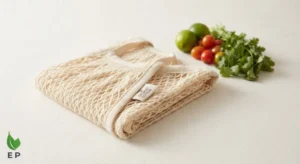
Relocation generates a surprising amount of waste, from flattened boxes to discarded plastic wrap, which is exactly why eco-friendly packaging materials for moving have become such a popular shift among environmentally conscious households. Reusable cotton mesh bags, biodegradable packing paper, and recyclable cardboard are all excellent alternatives that reduce landfill contribution without compromising protection quality.
Choosing sustainable options doesn’t mean sacrificing durability either — many eco-conscious materials perform just as well as their conventional counterparts while being kinder to the planet. If sustainability is a priority for your move, our guide on sustainable packaging solutions in Pakistan explores practical swaps you can make without added hassle. As Pakistan’s most trusted eco-friendly store, we’ve seen firsthand how small material choices during a move can add up to meaningful environmental impact.
Different rooms call for slightly different packing priorities, and keeping this in mind as you move through your home prevents a lot of last-minute confusion:
This simple room-by-room approach, combined with a solid home relocation packing tips checklist, keeps your packing day organized rather than overwhelming.
One decision every household faces is whether to pack everything themselves or bring in professional packers from a moving company. Both approaches have genuine merit depending on budget, timeline, and how much fragile or valuable inventory you own.
| Factor | DIY Packing | Professional Packers |
|---|---|---|
| Cost | Lower upfront cost | Higher cost, but reduces damage risk |
| Time | Requires significant personal time | Faster, often completed in a day |
| Material Knowledge | Learning curve for proper techniques | Experienced with correct material use |
| Risk of Damage | Higher if materials are used incorrectly | Lower due to trained handling |
For smaller moves or budget-conscious households, DIY packing with the right materials works perfectly well. For larger homes, long-distance relocation, or households with significant fragile or antique items, professional packers and relocation services often justify their cost through reduced breakage and faster turnaround.
Even with good intentions, a few recurring mistakes cause most of the preventable damage during home moves:
Avoiding these simple errors dramatically improves your odds of an undamaged move, regardless of distance or household size.
A little strategic planning goes a long way here. Start by decluttering before the move itself — fewer items mean fewer boxes, less material cost, and a faster unpacking process on the other end. Pack a dedicated “essentials” box with items you’ll need immediately on arrival, so you’re not digging through twenty boxes for a phone charger on moving night. And whenever possible, test box strength by lifting it before sealing completely, since a box that feels unstable half-packed will only get worse once full.
These small habits, layered on top of using genuinely good packing materials, are what separate a chaotic moving day from one that actually goes according to plan.
Choosing the best packaging materials for safe home relocation isn’t about buying the most expensive supplies available — it’s about matching the right material to the right item, every single time. Sturdy boxes for structure, bubble wrap and packing paper for fragile pieces, blankets and stretch wrap for furniture, and a thoughtful eco-friendly approach wherever possible all come together to protect everything you own during one of life’s more stressful transitions.
If you’re preparing for an upcoming move, explore our complete home shifting boxes and packaging materials collection to get everything you need in one place, and pack with the confidence that comes from using materials actually built for the job.
What materials are best for packing fragile items during a move? Bubble wrap combined with packing paper offers the best protection for fragile items, cushioning against impact while preventing surface scratches.
How to protect furniture while moving house? Moving blankets and furniture covers protect against scratches and dents, while stretch wrap keeps loose parts secure and shields surfaces from dust.
What is the best way to pack dishes for relocation? Wrap each dish individually in packing paper, then group wrapped dishes together with a layer of bubble wrap before placing them upright in a box.
Are there eco-friendly packing materials for moving? Yes, reusable cotton mesh bags, biodegradable packing paper, and recyclable cardboard boxes offer sustainable alternatives without compromising protection.
How much bubble wrap do I need for moving? Most households underestimate this — a general rule is one full roll per average-sized kitchen, with additional rolls for electronics, decor, and mirrors.
What are the most durable boxes for long-distance moving? Heavy-duty 5-ply cardboard boxes with reinforced double walls handle long-distance stress and stacking pressure far better than standard single-wall boxes.

Subscribe our newsletter & get notification about information discount.
Subscribe to get special offers, free giveaways, and once-in-a-lifetime deals.