If you’ve ever wondered whether a small change in your daily routine could make a real difference, switching to a bamboo hair brush is exactly that kind of change. It sounds simple — swap plastic for wood — but the ripple effect touches your hair health, your scalp, and even the planet’s plastic problem. Most of us don’t think twice about our hairbrush until the bristles start snapping hair or static makes our hair fly in every direction. That’s usually the moment people start searching for a better alternative, and bamboo consistently comes out on top.
In this guide, we’ll walk through exactly why this switch matters, how bamboo compares to plastic, what to look for when buying one, and how it fits into a broader sustainable lifestyle. By the end, you’ll understand why so many eco-conscious consumers in Pakistan and beyond are quietly replacing their old plastic brushes with something far gentler and greener.
A bamboo hair brush is exactly what it sounds like — a brush with a handle (and often bristles) made from bamboo instead of plastic or synthetic materials. Unlike typical drugstore brushes that rely on petroleum-based plastic, a natural bamboo hair brush uses a fast-growing, renewable grass that requires no pesticides and regenerates within a few years of harvesting.
What makes bamboo particularly appealing isn’t just the material itself, but how it interacts with your hair. Bamboo is naturally anti-static, slightly porous, and gentle on both hair strands and scalp skin. Many versions also pair the bamboo body with natural bristle brush heads, sometimes made from boar hair or soft wooden pins, which further reduces friction and breakage compared to hard plastic teeth.
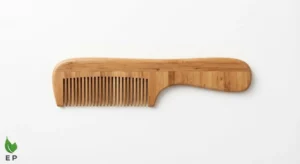
It’s worth noting that bamboo brushes fall into the same growing category as other eco-friendly hair care products you may already be familiar with — think wooden combs, biodegradable dental floss, or plant-based skincare tools. The philosophy is the same across all of them: replace disposable plastic with something the earth can actually break down.
This is usually where people get curious, because on the surface, a hairbrush is a hairbrush — right? Not quite. The materials used in construction directly affect hair texture, static buildup, scalp comfort, and long-term durability. A quick hair brush material comparison makes the differences obvious.
| Feature | Bamboo Hair Brush | Plastic Hair Brush |
|---|---|---|
| Material Source | Renewable, biodegradable bamboo | Petroleum-based plastic |
| Static Electricity | Naturally anti-static | Generates static, causes frizz |
| Hair Breakage | Gentle, reduces snapping | Higher friction, more breakage |
| Scalp Comfort | Soft massage-like feel | Can feel harsh or scratchy |
| Environmental Impact | Decomposes naturally | Takes 400+ years to break down |
| Lifespan | Durable with proper care | Cracks and wears out faster |
As the table shows, this isn’t just about aesthetics or “going green” for the sake of it. The functional benefits — especially reduced static and gentler detangling — are why so many people switch and simply never go back to plastic. If you’re also comparing other bamboo essentials, our detailed breakdown on bamboo toothbrush vs plastic toothbrush shows the same pattern repeating across personal care products.
Once you understand the material difference, the real question becomes: what does this actually change for you, day to day? The benefits of bamboo hair brush ownership go well beyond the environmental angle, though that’s certainly part of the appeal.
For starters, bamboo brushes are remarkably effective at hair breakage prevention. Because the bristles (whether wood or natural boar hair) glide through strands rather than snagging them, you lose less hair during your daily brushing routine. This matters more than people realize — a huge percentage of visible hair thinning isn’t from the scalp at all, but from mechanical damage caused by harsh brushing tools.
Second, bamboo naturally resists static electricity. Anyone who’s battled flyaway hair in dry weather knows how frustrating plastic bristles can be — they practically invite static. A bamboo brush, acting as a anti-static hair brush, keeps your hair smoother and more manageable without needing extra products.
Third, there’s the scalp benefit. Many bamboo brushes double as a gentle scalp massage brush, stimulating blood circulation at the roots. Improved circulation is often linked to healthy hair growth tips you’ll find in most dermatology advice — better blood flow means hair follicles get more oxygen and nutrients.
A few more advantages worth highlighting:
If you’re also using other bamboo-based grooming tools, it’s worth pairing this brush with something like a bamboo face brush for a fully consistent, plastic-free personal care setup.
Plastic waste is a genuine crisis in Pakistan, with millions of tons ending up in landfills, waterways, and open dumps every year. Personal care items — brushes, combs, razors, toothbrushes — are small individually, but collectively they add up to a massive environmental footprint. Choosing an eco-friendly hair brush is one small decision that, multiplied across households, genuinely helps reduce plastic waste at scale.
This is part of a larger shift happening across the country. More households are actively looking for environmentally friendly grooming tools as awareness grows about microplastics, landfill overflow, and the long decomposition timelines of everyday plastic items. If you want a broader look at how this movement is unfolding locally, our guide on sustainable living in Pakistan covers the bigger picture beyond just hair care.
Bamboo itself deserves credit here too. It’s one of the fastest-growing plants on Earth, requires minimal water, and doesn’t need chemical fertilizers to thrive — which is exactly why it’s become the go-to material for sustainable beauty brands worldwide. For a deeper dive into why this particular plant is such a environmental powerhouse, check out why bamboo is the most sustainable material on earth.
There’s a reason so many product reviews specifically mention a bamboo brush for hair growth rather than just general grooming. The connection isn’t marketing fluff — it’s rooted in basic scalp physiology. When bristles glide smoothly without tugging, they don’t just prevent breakage; they also allow for longer, more consistent brushing sessions that naturally massage the scalp.
This gentle stimulation encourages better circulation around hair follicles, which is one of the most commonly recommended natural approaches for supporting hair density over time. It won’t replace medical treatment for serious hair loss, of course, but as a daily habit, it’s a meaningful contributor to overall hair health.
There’s also a texture factor worth mentioning. Bamboo interacts differently with hair depending on hair texture — curly, straight, thick, or fine. Because the material is naturally smooth and slightly flexible, it tends to adapt well across hair types without the snagging that stiff plastic bristles often cause on curlier or more textured hair.
Not all bamboo brushes are created equal, and picking the best bamboo hair brush requires looking past just the word “bamboo” on the packaging. Some products use bamboo only for the handle while keeping plastic bristles, which defeats much of the purpose.
When shopping, it helps to check a few practical details before buying:
If you’re ready to make the switch, our own bamboo hair brush is designed with genuine wooden bristles and a durable, splinter-free handle — built specifically to handle daily brushing without breaking down after a few months, unlike many cheaper plastic alternatives on the market.
Caring for a bamboo brush is refreshingly low-maintenance, though it does differ slightly from caring for plastic tools since bamboo is a natural material that can be affected by prolonged moisture exposure. The general rule is simple: keep it dry, clean it regularly, and avoid soaking it for extended periods.
Wipe away trapped hair after each use, and every week or so, use a slightly damp cloth with a small amount of mild soap to remove buildup from the bristles and base. Avoid submerging the wooden handle in water, since excess moisture can cause warping over time — a maintenance principle that’s actually quite similar to how you’d care for a bamboo toothbrush, where dryness between uses extends the product’s life significantly.
Here’s a quick reference for signs your brush needs attention or replacement:
| Sign | What It Means |
|---|---|
| Bristles feel loose or wobbly | Base wear — consider replacing |
| Visible mold or musty smell | Excess moisture exposure — dry thoroughly |
| Splintering handle | Finish has worn down — time for a new brush |
| Reduced detangling effectiveness | Buildup on bristles — needs deep cleaning |
A single bamboo brush won’t transform your environmental footprint overnight, but it’s rarely a standalone decision either. Most people who switch to a plastic-free hair brush are already thinking about zero waste beauty products more broadly — from bamboo cotton buds to biodegradable packaging.
This is really about building a sustainable hair care routine piece by piece rather than overhauling everything at once. If you’re just getting started, our guide on 10 easy zero waste swaps in Pakistan offers a practical, low-pressure way to introduce more sustainable habits without feeling overwhelmed. A vegan hair brush made from bamboo fits naturally into this kind of lifestyle, especially for anyone already avoiding animal-derived or synthetic personal care products.
It’s one thing to read about bamboo bristles benefits in theory, but it’s another to hear from people who’ve actually made the switch. Across Pakistan, more households are sharing similar feedback — less hair fall during brushing, noticeably reduced static in dry winter months, and a general sense of contributing to something bigger than just personal grooming.
You can read some of these firsthand accounts in our feature on Pakistanis who switched to eco products, where real customers talk about their transition away from plastic-based personal care items across multiple categories, not just hair brushes.
At this point, the case for switching feels less like a trend and more like common sense. A bamboo hair brush offers gentler detangling, reduced static, better scalp stimulation, and a genuinely biodegradable end-of-life — all while performing just as well, if not better, than the plastic version sitting in your bathroom drawer right now.
The environmental angle matters too, but even if that weren’t your primary motivation, the practical hair health benefits alone make this an easy upgrade. Between reduced breakage, anti-static performance, and long-term durability, bamboo simply outperforms plastic in the categories that actually matter for daily use.
Your hair deserves better than a brush that snags, generates static, and eventually ends up in a landfill for the next four centuries. Browse our bamboo hair brush collection or explore our full range of eco-friendly products to start building a personal care routine that’s kinder to your hair and to the planet.
Is a bamboo hair brush good for all hair types? Yes, bamboo brushes generally work well across straight, wavy, curly, and thick hair types, though bristle spacing should be matched to your specific texture for best results.
How long does a bamboo hair brush last? With proper care — keeping it dry and cleaning it weekly — a quality bamboo hair brush can last several years, often outlasting comparable plastic brushes.
Does a bamboo hair brush really reduce hair fall? It reduces breakage caused by brushing friction, which is a major contributor to visible hair loss for many people, though it doesn’t address hair loss caused by underlying medical conditions.
Can I use a bamboo hair brush on wet hair? It’s best to gently detangle wet hair with a wide-tooth comb first, then use the bamboo brush once hair is mostly dry to avoid unnecessary strain on wet strands.
Is bamboo actually more eco-friendly than plastic? Yes — bamboo grows rapidly without pesticides, requires minimal water, and decomposes naturally, unlike plastic, which can take centuries to break down in landfills.

Subscribe our newsletter & get notification about information discount.
Subscribe to get special offers, free giveaways, and once-in-a-lifetime deals.