If you’ve ever run a cheap plastic comb through your hair and felt that annoying static crackle or noticed extra strands left behind, your scalp has already been trying to tell you something. A bamboo wooden pocket comb isn’t just a trendy eco-swap — it’s a genuinely smarter grooming tool that works with your scalp’s natural biology instead of against it. In this guide, we’ll unpack exactly why natural wooden combs outperform plastic ones, what the science says about scalp health, and how a small, pocket-sized change can make a noticeably big difference in how your hair looks and feels.
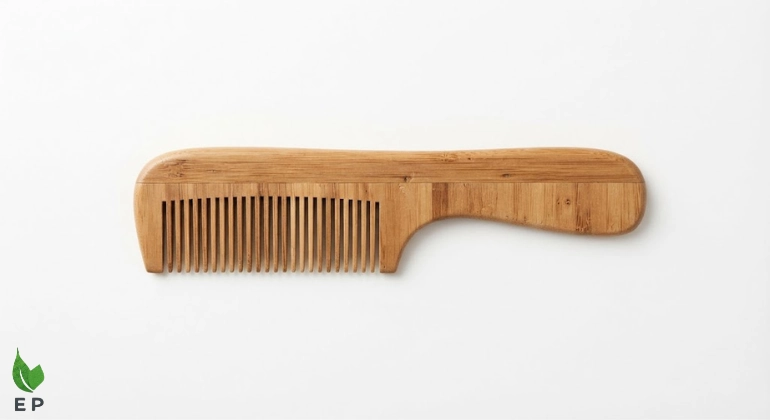
A bamboo wooden pocket comb is a compact, handheld comb carved from naturally sourced bamboo instead of petroleum-based plastic. Unlike mass-produced plastic combs, each wooden comb carries subtle variations in grain and texture — a quiet reminder that it came from an actual plant, not a factory mould.
What makes it genuinely useful, though, isn’t just the material story. Bamboo is naturally smooth yet slightly porous, which means it glides through hair without snagging while also absorbing excess oil along the way. Pair that with a slim, pocket-friendly size, and you get a grooming tool that’s as practical for your office bag as it is for your bathroom shelf. If you’re curious about the broader range of natural grooming tools built on the same philosophy, our bamboo wooden double-tooth pocket comb is a great real-world example of this design done right.
Your scalp is skin — thinner, more delicate, and more exposed than almost any other part of your body. Every time you comb your hair, you’re essentially giving your scalp a light massage, whether you realize it or not. The problem is that most plastic combs turn this everyday ritual into a source of irritation rather than relief.
Plastic combs are manufactured with heat and injection molding, which often leaves behind microscopic rough edges along the teeth. These edges aren’t visible to the naked eye, but your hair strands and scalp certainly notice them. Over time, this friction contributes to:
This is exactly where the comparison between a wooden hair comb vs plastic comb becomes meaningful rather than cosmetic. Natural wood doesn’t generate the same static charge, which means less flyaway hair and less unnecessary tugging at the root.
There’s a reason dermatologists and trichologists increasingly recommend natural hair care tools, and it comes down to simple, repeatable mechanics rather than marketing claims.
Each pass of a wooden comb through your scalp creates gentle pressure that stimulates blood flow near the hair follicles. Better circulation means hair roots receive oxygen and nutrients more efficiently, which directly supports healthier hair follicle stimulation over time. This is one of the most understated benefits of consistent scalp massage benefits — it’s not an overnight fix, but a cumulative one.
Your scalp naturally produces sebum, an oil designed to protect and condition your hair. Plastic combs, due to their smooth synthetic surface, often fail to pick up and redistribute this oil evenly. Bamboo’s slightly textured surface, on the other hand, helps spread natural oils from root to tip — improving shine and softness without needing extra product. This natural oil distribution is a big reason wooden combs are praised for genuine hair texture improvement.
For a deeper look at how this compares across other natural tools, our breakdown on bamboo hair brush vs plastic and hair health covers similar mechanics in more detail.
Sometimes the differences are easiest to see side by side. Here’s a straightforward comparison most people find helpful when deciding between the two.
| Factor | Bamboo Wooden Comb | Plastic Comb |
|---|---|---|
| Static Buildup | Minimal — naturally anti-static | High, especially in dry weather |
| Scalp Friction | Smooth, gentle on scalp skin | Rougher edges, more snagging |
| Oil Distribution | Even, natural spread | Uneven, often skips strands |
| Material Origin | Biodegradable, renewable bamboo | Petroleum-based, non-biodegradable |
| Longevity | Durable with proper care | Prone to cracking over time |
As the table shows, the gap isn’t just about sustainability — it’s about day-to-day comfort and hair health too.
One of the most common questions people ask is whether switching combs can genuinely influence hair growth or dandruff. The honest answer is nuanced: a comb alone won’t reverse genetic hair loss, but it absolutely plays a supporting role in creating a healthier scalp environment.
A bamboo comb for hair growth works indirectly — by reducing breakage, improving circulation, and keeping the scalp cleaner, it removes several small obstacles that otherwise slow down healthy hair cycles. For dandruff specifically, bamboo’s natural antibacterial-leaning surface combined with less scalp irritation means fewer triggers for flaking and itchiness. Many users searching for a wooden comb for dandruff report calmer, less itchy scalps simply because the tool itself isn’t adding friction-based irritation on top of existing sensitivity.
This ties closely into the broader category of chemical-free comb solutions, where the absence of synthetic coatings, dyes, or plastic residue means your scalp isn’t being exposed to anything beyond the natural material itself.
Grooming tools only work if you actually use them consistently, and this is where the “pocket” part of a bamboo wooden pocket comb becomes genuinely practical. Its compact size means it slides easily into a handbag, gym bag, or even a jacket pocket without adding bulk.
For anyone who travels frequently, commutes long distances, or simply wants quick touch-ups between meetings, a travel-friendly comb removes the excuse of “I’ll just deal with it later.” It’s a small object with an outsized impact on daily grooming consistency — and consistency, more than any single product, is what actually drives visible scalp and hair improvements over weeks and months.
If portability combined with natural materials is your priority across your whole routine, it’s worth exploring our wider range of bamboo bathroom products built around the same eco-friendly philosophy.
Not all wooden combs are created equal, and a little attention here goes a long way toward getting the full benefit of your switch.
A quick wipe with a dry cloth after each use, combined with an occasional gentle wash, keeps your comb hygienic without compromising the natural material. This small maintenance habit is really the only “catch” compared to plastic — and most users find it a fair trade-off for everything they gain in return.
Beyond personal scalp health, there’s a quieter but equally important reason people are making this switch. Plastic combs, like most single-material plastic products, take centuries to break down and often end up in landfills or waterways. A bamboo comb, by contrast, is biodegradable, grown from a fast-renewing resource, and leaves a dramatically smaller footprint behind.
This shift reflects a broader movement toward eco-conscious grooming — where everyday choices, not just major lifestyle overhauls, add up to meaningful environmental impact. It’s the same reasoning behind the growing popularity of why bamboo is considered one of the most sustainable materials on earth, and it’s a philosophy reflected across our full catalog of sustainable eco-friendly products in Pakistan.
If you’re already comparing natural alternatives across your bathroom routine, our guide on the bamboo toothbrush vs plastic toothbrush debate follows a very similar logic to everything we’ve covered here.
Why are bamboo combs better than plastic combs? Bamboo combs generate far less static, cause less scalp friction, and distribute natural scalp oils more evenly — all of which support healthier hair over time compared to synthetic plastic combs.
Does a bamboo comb help with dandruff? Indirectly, yes. By reducing scalp irritation and friction, a wooden comb for dandruff creates a calmer scalp environment, which can reduce flaking triggers, though severe dandruff may still need targeted treatment.
Is a bamboo comb good for curly hair? Yes, as long as you choose a comb with wider-spaced teeth. Wide-tooth wooden combs glide through curls with far less breakage than tightly spaced plastic combs.
How often should I use a wooden comb daily? Two to three gentle sessions a day — morning styling and before bed — is enough to support circulation and oil distribution without over-handling the hair.
How do I clean and care for a bamboo pocket comb? Wipe it after each use, wash occasionally with mild soap, and always air-dry it fully before storing to prevent warping or moisture damage.
Can switching to a natural comb really reduce hair fall? It won’t stop hair fall caused by medical or genetic factors, but it does reduce breakage-related hair fall, which is a significant contributor for many people.
Switching to a bamboo wooden pocket comb is one of those rare upgrades that’s genuinely low-effort and high-reward — better scalp comfort, healthier-looking hair, and a lighter environmental footprint, all from one small daily habit change. It’s not about chasing a trend; it’s about giving your scalp a tool that actually respects how skin and hair work.
If you’re ready to make the switch, explore our full eco-friendly hair care collection and start your journey toward naturally healthier grooming today.

Subscribe our newsletter & get notification about information discount.
Subscribe to get special offers, free giveaways, and once-in-a-lifetime deals.