If you’ve ever wondered why your skin feels dull, tired, or rough despite a solid skincare routine, the answer might be simpler than you think. Dry Body Brushing with a Bamboo Bath Brush is an age-old ritual that’s making a well-deserved comeback, and for good reason. This simple two-minute habit, done before your shower, can wake up your skin, boost circulation, and gently sweep away everything that’s making your complexion look flat. Unlike expensive treatments or complicated routines, all it takes is a natural bristle brush with a sustainable wooden handle and a few consistent minutes each morning. In this guide, we’ll walk through exactly why this practice deserves a place in your self-care routine, and how to do it correctly from day one.
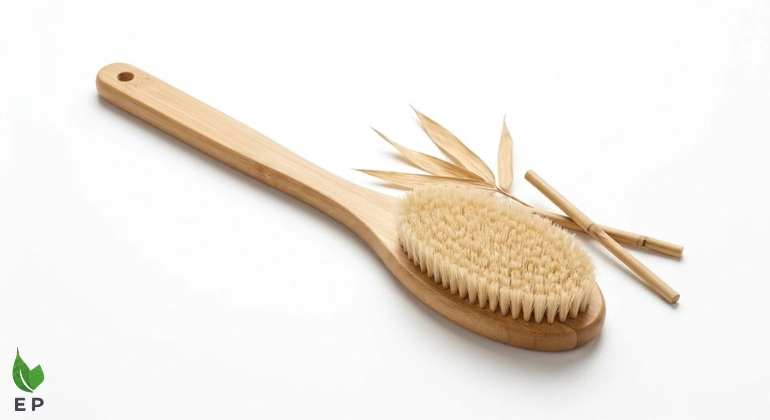
Dry brushing is exactly what it sounds like — brushing your skin while it’s completely dry, before you step into the shower. The tool of choice here is a bamboo bath brush, prized for its natural bristles, ergonomic wooden handle, and eco-friendly construction. Unlike plastic body brushes that create waste and often irritate sensitive skin with synthetic fibers, a bamboo brush works with your skin’s natural rhythm rather than against it.
The technique itself involves using gentle, sweeping strokes across your body, always moving toward your heart. This isn’t just a random suggestion — it’s rooted in how your lymphatic system and circulation naturally flow. When done regularly, this small ritual becomes a bridge between physical skincare and a slower, more mindful start to your day.
Long before modern skincare brands existed, dry brushing was already a staple in Ayurvedic wellness traditions. Practitioners understood that stimulating the skin’s surface had ripple effects throughout the body — better circulation, clearer skin, and a general sense of vitality. What’s interesting is that centuries later, dermatologists and wellness experts are echoing many of the same conclusions, just with more scientific language attached.
Today, as more people move away from plastic-heavy beauty routines and toward sustainable, mindful alternatives, dry brushing with a bamboo brush fits perfectly into that shift. It’s low-cost, zero-waste, and genuinely effective — a rare combination in the wellness world.
The benefits of dry brushing go far beyond just smoother skin. Here’s a closer look at what consistent practice can actually do for your body.
One of the most immediate effects of dry brushing is a noticeable increase in blood flow to the skin’s surface. As the bristles glide across your body, they stimulate blood vessels close to the skin, which can leave you feeling more awake and energized — almost like a mini workout for your circulatory system, minus the sweat.
Your lymphatic system doesn’t have a pump like your heart does, so it relies on movement and external stimulation to keep fluids flowing properly. Brushing toward the heart helps encourage this natural drainage process, which many people associate with reduced puffiness and a lighter, less sluggish feeling throughout the day.
Dead skin cells build up faster than most people realize, leading to a dull, uneven texture. A natural bristle brush works as a gentle yet effective exfoliating brush, sweeping away that buildup and revealing smoother skin underneath. If you already use tools like a bath loofah sponge for skin exfoliation, dry brushing pairs beautifully as a pre-shower step before you lather up.
While dry brushing isn’t a miracle cellulite cure, many users report smoother-looking skin over time. The theory is that improved circulation and lymphatic flow help redistribute fluid buildup beneath the skin, temporarily softening that dimpled appearance.
If you regularly shave or wax, ingrown hairs can be an ongoing frustration. Dry brushing helps clear away the dead skin that often traps hair follicles, making it easier for hair to grow through cleanly rather than curling back under the surface.
Perhaps the most underrated benefit is sustainability. A bamboo bath brush is biodegradable, long-lasting, and free from the microplastics that synthetic brushes shed over time. Choosing one over a plastic alternative is a small but meaningful step toward a greener bathroom routine.
Here’s a quick summary of what consistent dry brushing offers:
Not all body brushes are created equal, and the material matters more than most people assume. Plastic brushes tend to have stiffer, synthetic bristles that can feel harsh, especially for those with sensitive skin. They also don’t biodegrade, meaning every plastic brush ever made is still sitting somewhere in a landfill.
Bamboo, on the other hand, is naturally antimicrobial, renewable, and biodegrades far faster than plastic ever could. It’s part of why bamboo continues to stand out as one of the most sustainable materials on earth, whether it’s being used in toothbrushes, hairbrushes, or bath tools. If you’re building out a fully sustainable bathroom, a dry body bamboo bath brush with soft bristles is one of the easiest and most impactful swaps you can make.
Getting the technique right matters just as much as choosing the right brush. Here’s exactly how to build this into your morning routine.
Once this becomes a habit, it barely feels like an extra step. Most people find it takes less time than choosing an outfit.
Mornings are generally considered the ideal time for dry brushing, mainly because of the energizing effect it has — think of it as a gentler, more natural alternative to a jolt of caffeine. Doing it right before your shower also means you can immediately wash away the exfoliated skin without any extra cleanup.
As for frequency, three to five times a week is a good starting point for most skin types. Daily brushing works for some people, but if you notice any redness or irritation, scaling back to every other day is a smart adjustment.
Not everyone’s skin reacts the same way to brushing, and that’s completely normal. If you have particularly sensitive or reactive skin, opt for a brush with softer bristles and reduce both the pressure and frequency until your skin adjusts. It’s also worth avoiding dry brushing over sunburns, rashes, cuts, or any areas of active irritation. The goal is gentle stimulation, not aggressive scrubbing — if it ever feels uncomfortable, that’s a sign to ease off.
Choosing the right exfoliation tool can be confusing when there are so many options on the shelf. Here’s how a bamboo bath brush stacks up against the alternatives:
| Feature | Bamboo Bath Brush | Plastic Body Brush | Loofah Sponge |
|---|---|---|---|
| Material sustainability | Biodegradable, renewable | Non-biodegradable | Biodegradable (natural loofah) |
| Best used for | Dry brushing (before shower) | Dry or wet brushing | Wet exfoliation only |
| Skin feel | Firm yet gentle bristles | Often stiff, less flexible | Soft, sponge-like texture |
| Lifespan | Long-lasting with proper care | Long-lasting but sheds microplastics | Shorter lifespan, needs replacement |
| Eco-friendliness | High | Low | High |
If you’re deciding between tools, it’s worth comparing this further in our breakdown of natural loofah vs. synthetic sponge options — many people actually use both a dry brush and a loofah at different stages of their routine.
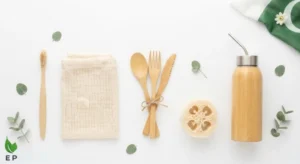
Dry brushing rarely stays a standalone habit for long. Once people notice the difference it makes, it naturally becomes part of a bigger shift toward mindful, sustainable self-care. Pairing your bamboo bath brush with other eco-conscious swaps — like a bamboo face brush for gentle daily cleansing or a bamboo hair brush instead of a plastic one — creates a bathroom routine that’s kinder to both your skin and the planet.
If you’re just getting started on this path, our guide to building a sustainable lifestyle in Pakistan is a great next stop, and browsing through zero-waste bathroom essentials can help you round out the rest of your routine with equally thoughtful choices.
A few small missteps can take away from the benefits of dry brushing, so it’s worth keeping these in mind:
Avoiding these mistakes ensures you get the full benefit without any unnecessary irritation.
Every time you choose bamboo over plastic, you’re casting a small but real vote for a more sustainable bathroom. Bamboo grows quickly, requires minimal water, and doesn’t rely on the heavy processing that plastic production demands. When that same plant becomes a beautifully finished bamboo bath brush, you get a tool that’s not just better for your skin, but genuinely better for the environment it leaves behind.
Dry Body Brushing with a Bamboo Bath Brush isn’t a passing trend — it’s a simple, sustainable habit backed by centuries of practice and a growing body of modern interest. From smoother skin and better circulation to a more mindful start to your morning, the benefits are genuinely worth the two minutes it takes each day. And with a bamboo brush in hand, you’re not just caring for yourself — you’re making a quietly meaningful choice for the planet too.
If you’re ready to bring this ritual into your own routine, it starts with the right tool. Explore our dry body bamboo bath brush with soft bristles and give your skin the gentle, sustainable care it deserves.
1. How often should I dry brush my body? Three to five times a week is ideal for most skin types. You can adjust based on how your skin responds.
2. Does dry brushing really help with cellulite? It won’t eliminate cellulite permanently, but improved circulation and lymphatic flow can temporarily smooth the skin’s appearance.
3. Can I use a bamboo bath brush on sensitive skin? Yes, as long as you choose a brush with softer bristles and use lighter pressure.
4. Should I dry brush before or after showering? Always before. Dry brushing works best on completely dry skin, and showering afterward washes away exfoliated cells.
5. How long does a bamboo bath brush last? With proper care — rinsing and air-drying after each use — a quality bamboo brush can last well over a year.

Subscribe our newsletter & get notification about information discount.
Subscribe to get special offers, free giveaways, and once-in-a-lifetime deals.