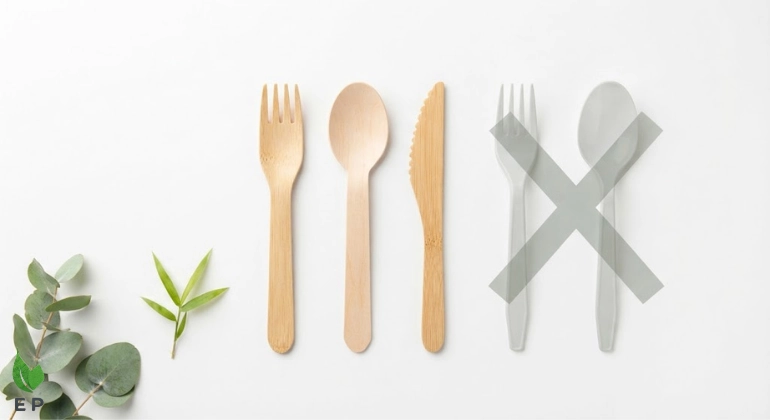
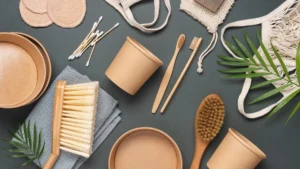
Every time you unwrap a plastic fork at a wedding, a birthday party, or a quick takeaway meal, you’re contributing — often without realizing it — to a waste problem that outlives the meal by centuries. Biodegradable cutlery has emerged as one of the simplest, most practical solutions to this crisis, offering a way to enjoy convenience without leaving a permanent scar on the planet. Unlike traditional plastic spoons and forks that sit in landfills for 400+ years, biodegradable options break down naturally, returning to the earth instead of choking it. In this guide, we’ll explore exactly how switching to eco-friendly cutlery can meaningfully reduce plastic waste, what materials make this possible, and how you can make the switch in your own kitchen, restaurant, or event.
Plastic pollution has quietly become one of the defining environmental issues of our time. Every year, millions of tons of single-use plastic cutlery are manufactured, used for a matter of minutes, and then discarded — most of it ending up in landfills, rivers, or oceans. Because conventional plastic is derived from petroleum, it doesn’t decompose in any meaningful timeframe; instead, it breaks into smaller and smaller fragments known as microplastics, which have now been found in soil, drinking water, and even human bloodstreams.
The scale of this problem is staggering when you consider how casually plastic forks and spoons are used. A single restaurant can throw away thousands of plastic utensils in a month, and multiplied across the food service industry globally, the numbers become almost incomprehensible. This is precisely why plastic waste reduction has become a priority for governments, businesses, and eco-conscious consumers alike, with many countries now actively pursuing a single-use plastics ban to curb the damage before it becomes irreversible.
If you’re looking for a broader understanding of how everyday habits contribute to this crisis, our guide on 9 easy ways to reduce your plastic waste breaks down practical steps beyond just cutlery.
Biodegradable cutlery refers to utensils made from natural, renewable materials that microorganisms can break down into water, carbon dioxide, and organic matter within a relatively short period — usually months rather than centuries. This stands in stark contrast to conventional plastic, which is chemically designed to resist degradation.
What makes biodegradable utensils particularly appealing is that they don’t require you to sacrifice functionality. A well-made wooden fork or bamboo spoon performs just as well as its plastic counterpart during use, but its environmental fate is completely different once it’s thrown away. Instead of persisting indefinitely, it becomes part of a natural decomposition process, often enriching soil rather than polluting it.
It’s worth noting that “biodegradable” and “compostable” are related but not identical terms. Compostable cutlery breaks down specifically under composting conditions into nutrient-rich material, while biodegradable cutlery decomposes naturally over time through microbial action, even without industrial composting facilities. Both categories represent genuine plastic alternatives, and both play a critical role in the shift toward a plastic-free future.
Understanding how biodegradation actually works helps explain why this shift matters so much. When biodegradable cutlery made from materials like cornstarch, bamboo, or wood is exposed to soil, moisture, and naturally occurring bacteria or fungi, these microorganisms break the material down at a molecular level. The plant-based polymers in the cutlery are metabolized by microbes, releasing water vapor and carbon dioxide as natural byproducts, leaving behind organic matter that can nourish soil rather than sit as inert waste.
This process typically takes anywhere from a few weeks to a couple of years, depending on the specific material and environmental conditions — a dramatic improvement compared to the 400-plus years plastic requires to break down partially, without ever fully disappearing. The biodegradation process is essentially nature’s own recycling system, and biodegradable products are simply designed to work with it rather than against it.
This is also why marine plastic pollution has become such a devastating issue: ocean environments lack the right conditions for plastic to break down properly, causing it to persist and harm marine life for generations. Biodegradable alternatives sidestep this problem almost entirely.
Not all eco-friendly cutlery is created equal, and understanding the materials behind it helps you make smarter purchasing decisions — whether you’re stocking a restaurant, planning an event, or simply upgrading your home kitchen drawer.
Bamboo is one of the most popular choices because it grows incredibly fast, requires no pesticides, and produces remarkably sturdy utensils. Wood, particularly birchwood, offers a similarly natural, biodegradable option with excellent durability for both hot and cold foods. PLA (Polylactic Acid), derived from fermented plant starch (usually corn), is engineered to mimic the feel of plastic while remaining compostable under the right conditions. Corn starch-based cutlery takes this even further, using the natural properties of starch to create utensils that decompose rapidly.
Here’s a quick side-by-side comparison to help visualize how these materials stack up:
| Material | Decomposition Time | Best Use Case |
|---|---|---|
| Bamboo | 3–6 months | Everyday use, events, catering |
| Birchwood | 6–12 months | Cafes, takeaway, disposable service |
| PLA (Corn-based) | 1–2 years (industrial composting) | Cold food, packaged meals |
| Traditional Plastic | 400+ years | N/A (not biodegradable) |
If you’d like to explore a real product comparison, our detailed breakdown of birchwood cutlery as the best alternative to plastic walks through durability, cost, and sustainability side by side.
This is where the real impact becomes clear. The connection between biodegradable cutlery and plastic waste reduction isn’t just theoretical — it plays out in measurable, practical ways across households, businesses, and entire supply chains.
First, biodegradable cutlery eliminates the long-term landfill burden that plastic creates. Because these utensils break down naturally, they don’t accumulate indefinitely in landfill waste reduction efforts the way plastic does; instead, they return to the ecosystem within months rather than sitting as permanent waste. Second, they dramatically reduce the risk of marine plastic pollution, since even if biodegradable cutlery ends up in a waterway (accidentally or through mismanaged waste), it decomposes far faster and doesn’t fragment into the same harmful microplastics.
Third, many biodegradable materials — particularly bamboo and PLA — are sourced from renewable resources rather than fossil fuels, meaning their production has a smaller carbon footprint reduction impact compared to petroleum-based plastic manufacturing. This ties directly into the broader circular economy movement, where products are designed with their entire lifecycle — from raw material to safe decomposition — in mind, rather than being built for a single use and permanent disposal.
Finally, on a behavioral level, choosing sustainable cutlery encourages a ripple effect. When restaurants, event planners, and households switch to compostable utensils, it normalizes sustainable choices and pressures suppliers to prioritize green alternatives to plastic across their entire product lines. This cultural shift is just as important as the material science behind it.
To put the environmental math into perspective, here’s how biodegradable and traditional plastic cutlery compare across the factors that matter most.
| Factor | Biodegradable Cutlery | Traditional Plastic Cutlery |
|---|---|---|
| Decomposition Time | Months to 2 years | 400+ years |
| Raw Material Source | Renewable (bamboo, wood, corn starch) | Petroleum-based |
| Ocean/Landfill Impact | Minimal, breaks down naturally | Persists, creates microplastics |
| Carbon Footprint | Lower | Significantly higher |
| Reusability Options | Available (bamboo, steel) | Rarely reused |
This comparison makes it easy to see why eco-conscious consumers and food service sustainability initiatives are increasingly moving away from plastic altogether.
Theory is helpful, but seeing biodegradable cutlery in action makes the benefits far more tangible. Consider a wedding catering service that swaps plastic spoons for bamboo alternatives — across a single event serving 500 guests, that’s hundreds of plastic utensils that never enter a landfill. Restaurants and cafes offering takeaway meals face a similar opportunity; by switching to birchwood or PLA cutlery, they directly reduce their contribution to catering disposable products waste while also appealing to customers who actively seek out eco-friendly disposable cutlery.
Outdoor events and BBQs present another excellent use case, where convenience is essential but environmental responsibility doesn’t have to be sacrificed. Our guide on the 14 August BBQ outdoor party kit with eco-friendly cutlery, cups, and straws shows exactly how easy this switch can be for celebrations and gatherings.
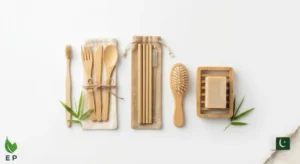
Even at home, families are increasingly choosing reusable options like the reusable bamboo cutlery set for daily meals, lunchboxes, and travel — proving that sustainability and convenience aren’t mutually exclusive. For businesses catering to larger crowds, our piece on bamboo cutlery sets for events explains how bulk switching benefits both budgets and the planet simultaneously.
Selecting the right eco-friendly cutlery depends largely on how and where you plan to use it. For everyday household use, bamboo or reusable stainless steel options offer excellent durability and can be washed and reused hundreds of times, making them among the most sustainable long-term choices. For one-time events, catering, or takeaway services, birchwood or PLA-based disposable cutlery strikes the right balance between convenience and compostability.
It’s also worth paying attention to certifications and material sourcing when purchasing biodegradable products, since not every product labeled “eco-friendly” meets genuine compostable materials standards. Reputable suppliers will clearly indicate decomposition timelines and sourcing practices, which helps you avoid greenwashed products that don’t actually deliver on their environmental promises.
For those weighing reusable versus disposable options more broadly, our comparison of stainless steel cutlery versus plastic for a sustainable kitchen switch and the detailed wooden spoon vs. plastic spoon eco-friendly comparison both offer excellent, practical guidance.
The beauty of switching to biodegradable cutlery lies in how little effort it actually requires compared to the environmental return it delivers. You don’t need to overhaul your entire lifestyle overnight; simply replacing one category of single-use plastic — cutlery — with a sustainable equivalent already contributes meaningfully to plastic pollution reduction and supports a broader zero-waste lifestyle.
Businesses in the food service industry stand to gain even more, since customers increasingly favor brands that visibly prioritize environmental sustainability. Restaurants, cafes, and event planners who adopt eco packaging solutions and biodegradable cutlery often find that it strengthens customer loyalty while simultaneously reducing waste-related costs over time.
If you’re ready to explore options tailored to your specific needs, browsing our full eco-friendly cutlery and sustainable products shop is a great next step, or you can start with our comprehensive zero-waste guide for sustainable products in Pakistan for a wider view of how these small swaps fit into a larger sustainable lifestyle.
Biodegradable cutlery isn’t a perfect, single-handed solution to the global plastic pollution crisis — but it’s a genuinely powerful piece of the puzzle. Every fork, spoon, or knife made from bamboo, birchwood, or plant-based PLA instead of petroleum plastic represents one less item destined to sit in a landfill or ocean for centuries. As awareness grows and more households, restaurants, and event organizers make the switch, the cumulative impact on plastic waste reduction becomes substantial rather than symbolic.
The shift toward sustainable cutlery ultimately reflects a broader truth about environmental change: it rarely happens through one dramatic gesture, but through millions of small, consistent choices made by individuals and businesses alike. Choosing biodegradable utensils is one of those choices — simple, accessible, and genuinely effective.
Ready to make the switch? Explore our full range of biodegradable and eco-friendly cutlery options and start reducing your plastic footprint today, one meal at a time.
Q1: Is biodegradable cutlery as durable as plastic cutlery? Yes, materials like bamboo and birchwood are surprisingly sturdy and can handle hot and cold foods without breaking down during use, performing comparably to plastic in most everyday situations.
Q2: How long does biodegradable cutlery take to decompose? Depending on the material, biodegradable cutlery typically decomposes within a few months to two years, compared to plastic cutlery, which can persist for over 400 years without fully breaking down.
Q3: Is biodegradable cutlery more expensive than plastic? It can be slightly more expensive upfront, but the environmental savings and growing consumer preference for sustainable products often make it a worthwhile investment for businesses and households alike.
Q4: Can biodegradable cutlery be composted at home? Some materials, like bamboo and cornstarch-based cutlery, can decompose in home compost setups, while others, like certain PLA products, require industrial composting facilities to break down fully.
Q5: Does switching to biodegradable cutlery really make a difference? Absolutely. When adopted widely across households, restaurants, and events, biodegradable cutlery significantly reduces landfill waste, ocean pollution, and the overall carbon footprint associated with single-use plastics.

Subscribe our newsletter & get notification about information discount.
Subscribe to get special offers, free giveaways, and once-in-a-lifetime deals.