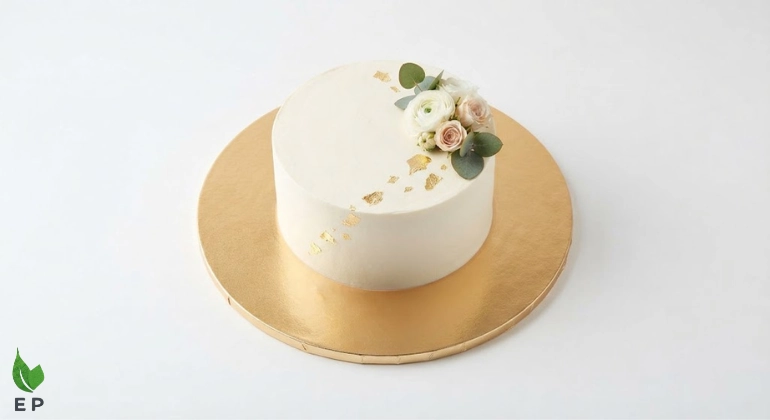
If you have ever watched a customer’s face light up the moment a cake box opens, you already know presentation matters just as much as taste. Golden cake boards have quietly become one of the smartest upgrades a bakery can make, turning an ordinary dessert into something that feels premium before the first slice is even cut. Bakers who switch to gold-toned boards often notice an immediate shift in how customers perceive their products — from casual homemade treats to boutique-quality creations worth paying more for.
This shift isn’t just about aesthetics, though that certainly plays a big role. It’s about structural support, transport safety, branding consistency, and the subtle psychology of gold as a color associated with luxury and celebration. In this guide, we’ll unpack exactly how golden cake boards add measurable value to your bakery products, why professional bakers increasingly prefer them over plain white or silver alternatives, and how you can choose the right one for your own business.
At first glance, a cake board might seem like a simple, functional piece — something to hold the cake steady and nothing more. But once you compare a standard board against a well-made golden cake board, the difference becomes obvious almost instantly. The gold foil or laminated finish reflects light beautifully, giving even a modestly decorated cake a polished, high-end appearance. This visual boost matters enormously in a market where customers often decide to buy based on how a product looks in photos before they ever taste it.
Beyond looks, quality golden cake boards for bakery products are typically constructed from thicker, food-grade cardboard that resists warping under the weight of buttercream, fondant, or multi-tier designs. Cheaper alternatives tend to bend or sag, especially with heavier cakes, which can lead to embarrassing mishaps during delivery or display. A sturdy board isn’t a luxury; it’s a basic requirement for protecting the hours of work that go into every cake.
If you’re curious about how these boards compare structurally to thicker drum-style options, our detailed breakdown on cake drum boards versus regular cake boards explains which style suits different cake weights and occasions.
Value isn’t a vague marketing word here — it translates into tangible business outcomes. Let’s break down exactly where that value comes from and why it matters for a bakery of any size, from a home-based cake artist to a full commercial operation.
Gold has a psychological association with celebration, wealth, and special occasions, which makes it an ideal base for birthday cakes, wedding desserts, and festive orders. When a cake sits on a premium cake presentation board, the entire product feels more intentional and curated. Customers photograph their cakes far more often when the packaging looks Instagram-worthy, and every shared photo becomes free advertising for your bakery.
This is particularly true for cake board designs that complement rather than compete with the cake’s own decoration. A subtle gold shimmer works with almost any color palette, unlike bold patterns that can clash with certain cake themes.
Cake stability and support are non-negotiable when you’re dealing with layered or heavy cakes. A well-made golden cake board typically uses multiple layers of pressed board material, giving it the rigidity to hold weight without flexing. This matters most during the critical window between decoration and delivery, when even a slight bend can crack fondant or shift a tier out of alignment.
Bakeries that have struggled with cracked cakes or shifted decorations often trace the problem back to using boards that were too thin for the job. Upgrading to premium cake boards with proper thickness specifications solves this issue almost entirely.
Cake transportation safety is one of the most overlooked reasons bakeries invest in better boards. A rigid, well-fitted board acts as the foundation that keeps a cake steady inside its box during transit, absorbing minor bumps and vibrations from the road. Without that stable base, even a beautifully decorated cake can arrive at its destination looking far less impressive than it did in the kitchen.
For a deeper look at minimizing delivery damage entirely, our guide on how to package a cake for delivery without damage covers boxing techniques that pair perfectly with a sturdy board underneath.
There’s a noticeable trend among growing bakeries: as their customer base expands and orders become more high-profile, they consistently move away from basic white boards toward premium, branded packaging solutions. This isn’t coincidence — it’s a direct response to what customers expect once they’re paying more for custom or tiered cakes.
Food-grade cake boards are treated and laminated in a way that keeps them safe for direct contact with food, without leaching chemicals or breaking down when exposed to moisture from frosting or fresh fruit toppings. This is especially important for bakeries that ship cakes across cities, where boards may sit in transit for hours. Choosing certified food-safe materials protects both your customers and your business reputation.
Not every cake fits a standard board size, which is why custom cake boards have become so popular among bakeries handling weddings, corporate events, and specialty orders. Round, square, and rectangular options in varying diameters allow you to match the board precisely to the cake, avoiding awkward overhangs or wasted board space. Many bakeries now stock a small range of gold board sizes specifically to accommodate everything from a six-inch birthday cake to a large celebration tier.
You can explore ready-made options directly through our golden cake board product page, or browse the golden cake drum board for heavier, multi-tier designs that need extra reinforcement.
Choosing between gold, silver, and white boards often comes down to the occasion, the cake’s color scheme, and your bakery’s overall branding. Here’s a quick comparison to help clarify which option suits different scenarios.
| Board Type | Best For | Visual Impression | Typical Use Case |
|---|---|---|---|
| Golden Cake Board | Celebrations, weddings, premium orders | Luxurious, warm tone | Birthday cakes, festive desserts |
| White Cake Board | Minimalist, modern cakes | Clean, neutral | Everyday orders, bright decorations |
| Silver Cake Board | Corporate events, elegant themes | Cool, sophisticated | Anniversaries, formal gatherings |
As the table shows, gold tends to outperform its counterparts when the goal is signaling premium quality or celebratory warmth, while silver and white serve specific aesthetic niches. Many bakeries actually stock all three, using gold as their flagship option for higher-margin custom orders.
Every packaging decision a bakery makes contributes, directly or indirectly, to how customers perceive the brand. Golden cake boards do more than protect the product — they function as a subtle branding tool that reinforces the idea that your bakery pays attention to detail. When paired with matching cake boxes or branded stickers, the board becomes part of a cohesive unboxing experience that customers remember and share.
This attention to presentation also builds long-term customer trust. People are far more likely to reorder from a bakery that consistently delivers cakes looking exactly as promised, undamaged and beautifully finished. In competitive markets, this kind of consistency often becomes the deciding factor between a one-time buyer and a loyal, repeat customer.
There’s also a practical sales angle worth mentioning. Bakeries that invest in premium bakery packaging boards frequently report being able to justify slightly higher prices for custom cakes, since the overall presentation matches the elevated cost. Customers rarely object to paying more when the entire experience — from the board to the box — feels professionally curated.
If you’re building out a complete bakery packaging strategy, it’s worth reviewing our full range of bakery packaging solutions, which includes boards, boxes, and complementary accessories designed to work together seamlessly.
Selecting the right board isn’t complicated once you know what to prioritize, but a few practical factors can make a real difference in day-to-day bakery operations.
Getting these basics right early on saves a surprising amount of time and reduces the risk of damaged cakes reaching customers. For bakeries also handling boxed pastries or slices, pairing your boards with the right cake boxes or cake slice boxes rounds out a complete, professional packaging setup. And if you’re still comparing broader packaging categories for your bakery, our guide on choosing the right acrylic box for bakery products offers useful additional context.
Golden cake boards sit at an interesting intersection of function and branding — they protect your cake structurally while simultaneously signaling quality to everyone who sees the final product. From improved presentation and safer transportation to stronger customer trust and better perceived value, the benefits stack up quickly once you start paying attention to this often-overlooked detail.
For bakeries looking to elevate their product without a massive investment, switching to premium gold boards is one of the simplest, highest-impact changes available. It’s a small line item on your supply list that pays dividends in customer satisfaction and repeat business.
Ready to upgrade your bakery’s presentation? Explore our complete collection of golden cake boards and drum boards and give every cake the professional foundation it deserves.
Q1: What size golden cake board should I use for a standard 8-inch cake? A board roughly 2 inches larger in diameter than the cake itself — so around 10 inches for an 8-inch cake — gives enough edge space for handling without looking oversized.
Q2: Are golden cake boards food-safe for direct cake contact? Yes, quality golden cake boards are laminated with food-grade materials specifically designed for safe, direct contact with frosting, fondant, and fresh ingredients.
Q3: Can golden cake boards support heavy, multi-tier cakes? Standard golden cake boards work well for single-tier cakes, but for multi-tier or heavier designs, a golden cake drum board offers significantly more structural support.
Q4: How do golden cake boards compare to silver or white boards in price? Pricing is generally similar across colors, since the cost difference comes from thickness and material quality rather than the gold finish itself.
Q5: Do golden cake boards help with cake delivery safety? Yes, their rigid construction keeps the cake stable inside the box during transit, reducing the risk of shifting, cracking, or decoration damage on the way to the customer.

Subscribe our newsletter & get notification about information discount.
Subscribe to get special offers, free giveaways, and once-in-a-lifetime deals.