Think about your last grocery run. Chances are the sabzi came home in a thin polythene bag, the daal in a plastic pouch, and the leftovers went into the fridge under a sheet of cling film. By evening, your bin was full of packaging that will outlive your grandchildren. A zero waste kitchen is the antidote to that daily pile-up, and building one is far easier than most people think.
If you have ever wondered how to go plastic free without spending a fortune or giving up your favourite desi recipes, you are in the right place. This guide shows you how to create a plastic-free kitchen that suits real Pakistani households, from shopping at the local sabzi mandi to storing atta, composting peels and choosing safe eco-friendly kitchen products. You don’t need to be perfect. You just need to start with one swap at a time.
The kitchen is the busiest waste factory in any home. Every day we open packets, peel vegetables, wrap food and throw away containers. Much of that waste is single-use plastic, and it adds up fast. Cities like Karachi, Lahore and Islamabad already struggle with overflowing bins, blocked drains and open dumping. A large share of what ends up in landfill waste is food scraps mixed with plastic, which makes proper disposal and recycling much harder.
Plastic does not simply disappear. It breaks into microplastics, tiny particles that end up in soil, rivers and even the food chain. The environmental impact reaches far beyond your street. Producing and burning plastic also increases your household’s carbon footprint. Pakistan has taken steps through the Ministry of Climate Change and various provincial rules on polythene bags. Enforcement is uneven, though, so real change depends on what happens inside our homes and markets.
There is good news here. A low-waste lifestyle isn’t a Western trend. Our grandmothers practised it naturally. They stored grains in tins and matki, carried kapray ki thaili to the bazaar, and cooked in steel ke bartan and clay pots. Going plastic free in a desi kitchen is often about rediscovering what already worked. If you want a wider look at this mindset, our sustainable living guide for Pakistan is a helpful companion read.
Before buying anything new, look at what you already own and throw away. Spend one week noticing the plastic that enters and leaves your kitchen. Keep a small note on your phone. You will likely spot the same culprits again and again: bread bags, milk pouches, water bottles, scrubbers, cling film, disposable cutlery and takeaway containers.
This audit follows the classic reduce, reuse, recycle order, and the order matters. First reduce what comes in. Then reuse what you already have. Only then recycle or replace. Many people rush to buy a full set of new jars and end up with more clutter, which defeats the purpose of waste minimization. Use your old plastic containers until they wear out, then replace them with durable alternatives. Throwing away working items creates its own waste.
Once you know your top three plastic sources, you have your starting plan. Most families find that groceries, food storage and cleaning tools make up the bulk of the problem. Let’s tackle them in that order.
Shopping is where plastic enters your kitchen, so it is the best place to start. The good news is that traditional markets are naturally friendlier to a plastic free grocery shopping Pakistan routine than supermarkets. At the sabzi mandi and local dukaan, you can bring your own bags, pick loose produce and skip the packaging entirely.
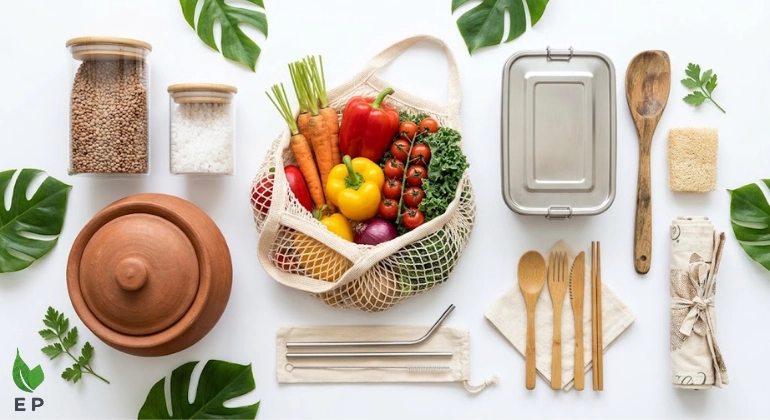
Keep two or three reusable shopping bags near the door or in your car. A classic cloth bag or jute bag works well for heavy items like potatoes and onions. For fruit and vegetables, lightweight mesh bags are brilliant because they let produce breathe and can be washed. We cover this in detail in our post on the organic cotton mesh bag as the reusable shopping bag Pakistan needs, and you can pick one up directly from the organic cotton mesh bag product page.
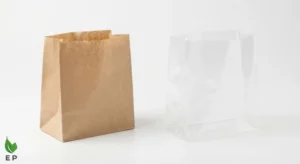
If you run a home bakery or need paper packaging for gifts, paper is a better choice than polythene. Here is a helpful comparison of kraft paper bags vs plastic bags and their environmental impact. You can also browse the kraft paper bags category for sturdier options.
Most Pakistani shops still sell loose atta, daal and chawal. Take your own steel or glass container and ask the shopkeeper to fill it. This lets you buy in bulk, which usually costs less per kilo and removes packaging at the source. Spices, sugar, tea leaves, dry fruit and even cooking oil can often be bought this way from older, trusted dukaans.
A small habit makes this easier. Keep a few empty containers and a marker in your shopping bag. Label them with their weight, so the shopkeeper can weigh them first and deduct that weight. It feels slightly unusual the first time. By the third visit, most shopkeepers happily go along with it.
Politely refusing a plastic bag is a skill. Smile, say “thaili hai mere paas” and hand over your own bag. For milk, ask whether your dairy supplier will fill a steel or glass container. Many doodh wallas in towns and city neighbourhoods still do this and are glad to keep the customer. This one change can remove hundreds of small pouches from your annual waste.
Once groceries are home, storage is the next big plastic habit. Plastic tubs, bags and cling film are convenient, but they can stain, hold odours and break down over time. The best plastic-free kitchen alternatives last for decades and often look better on your shelf.
Glass jars for storage are ideal for daal, rice, sugar, nuts and homemade pickles. You can see what’s inside, they don’t absorb smells, and they are easy to clean. Stainless steel containers are perfect for atta, flour, tea and anything you want to keep light-proof and unbreakable. For gifting or decorative storage of biscuits, spices and dry fruit, tin containers work beautifully. Our guide to tin boxes for packaging explains the differences, and you can see options in the tin boxes category.
Don’t overlook matti ke bartan. A clay matki keeps water naturally cool. A clay handi gives dishes like biryani, haleem and daal an earthy flavour that steel can’t match. Season new clay pots properly before use and they will serve you for years. Copper and brass utensils are another heritage option, though they need proper tinning (qalai) for cooking and regular care. Cast iron cookware is nearly indestructible and improves with use, making it a great long-term investment.
Cling film is one of the hardest plastics to recycle, yet we use it daily. You can avoid cling film by covering bowls with a plate, using a lid, or choosing silicone food covers that stretch over containers and last for years. Beeswax wraps are another popular option for covering fruit, cheese and sandwiches, though they are not suitable for raw meat or hot food. For roti, simply wrap it in a clean cotton cloth, just as our families always did. To store food without plastic, the rule is simple: if it can go in a jar, bowl or cloth, it should.
Here is a quick table to help you choose the right material for each job.
| Material | Best For | Lifespan | Care Tip |
|---|---|---|---|
| Glass jars | Daal, rice, pickles, leftovers | 10+ years | Handle with care, avoid sudden heat changes |
| Stainless steel | Atta, tea, spices, lunch | 15+ years | Wash and dry fully to prevent water marks |
| Clay (matki / handi) | Water, slow-cooked dishes | Several years | Season before first use, keep dry |
| Cotton cloth | Roti, bread, produce | 3–5 years | Machine wash regularly |
| Tin boxes | Biscuits, dry fruit, spices | 10+ years | Keep away from damp spots |
As the table shows, there is a natural fit for every food. Mixing a few materials is more practical than relying on just one.
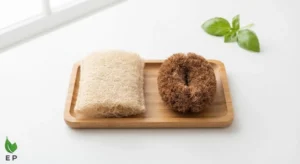
Many people forget that cleaning tools are plastic too. A regular synthetic sponge sheds microplastics into your dishwater every time you scrub, and it is destined for the bin within weeks. A loofah sponge is a natural alternative grown as a plant, strong enough for heavy pots and completely compostable at the end of its life.
If you are curious about the real difference, read our comparison of natural loofah vs synthetic sponge and the practical guide on how to replace a plastic scrubber with natural loofah. When you are ready to switch, the kitchen loofah pads are easy to cut to size, and the dish scrub is another handy plastic-free option. A coconut fiber scrubber is another traditional choice that handles burnt-on grease very well.
For washing bottles and narrow flasks, a sustainable bottle cleaning brush reaches places a sponge never can. Pair these with soap bars or refillable dish soap, and you remove a surprising amount of plastic from your sink area. Many households also like to wash dishes with a simple mix of baking soda, lemon and a little soap. It is cheap, effective and entirely free of plastic packaging.
Modern life brings disposable cutlery, straws and bottles into the kitchen, even in homes that try to avoid them. Parties, picnics, office lunches and school tiffins all create extra plastic if you aren’t prepared. A few reusable items solve most of this.
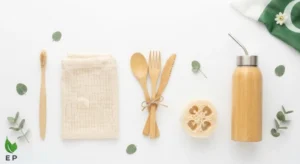
For everyday and travel use, a stainless steel cutlery set or a reusable bamboo cutlery set fits easily in a bag. If you want to understand the trade-offs before buying, see this comparison of a stainless steel cutlery set vs plastic and this piece on why you should carry reusable bamboo cutlery everywhere. Bamboo is also remarkably renewable, which we explain in why bamboo is the most sustainable material on earth.
In the kitchen itself, wooden utensils are gentler on cookware and last for years. If you are still using plastic spoons for cooking, our comparison of wooden spoon vs plastic spoon shows why the switch is worth it, and a birchwood wooden spoon is a good place to begin. Wooden chopping boards are also better than plastic ones, because they don’t shed plastic particles into your food. Keep them dry and oil them occasionally.
For drinks, replace plastic straws with reusable ones. This guide to the best reusable straws in Pakistan, bamboo vs steel vs glass will help you choose, and the stainless steel reusable straw set with brush is a practical pick for families. Instead of buying bottled water, carry refillable bottles. A double wall bamboo water bottle with tea infuser works well for both water and chai, and a steel lunch box replaces cling-wrapped sandwiches and disposable lunch containers.
Even a plastic-free kitchen produces waste, and in most Pakistani homes the biggest share is organic kitchen waste. Peels, tea leaves, eggshells and stale roti make up a large part of what we throw out. When this food waste mixes with plastic in a bin, it rots, smells and produces methane in landfills. Separated properly, it becomes a resource instead.
Waste segregation needs just two containers: one for wet waste (food scraps) and one for dry waste (paper, metal, glass). That alone makes household waste management far easier, and it helps informal recyclers who collect dry waste. Keep the wet bin small, line it with newspaper rather than a plastic bag, and empty it daily.
You don’t need a big garden for kitchen composting. A simple clay pot or bucket with drainage holes on a balcony or rooftop is enough. Layer dry leaves or shredded paper with your compostable kitchen waste, keep it slightly moist, and stir it every few days. In Pakistan’s warm climate, compost can be ready in six to ten weeks. Use it for your home garden, pots or kitchen herbs. You can compost vegetable peels, fruit scraps, tea leaves and eggshells. Avoid meat, bones, oil and dairy in a basic home setup, because they attract pests.
Before composting, see if scraps can do another job. Boil vegetable peels and trimmings into stock. Use stale roti for roti ka halwa or crumbs. Turn overripe bananas into cake and soft tomatoes into sauce. Citrus peels soaked in vinegar make a natural cleaner. Learning to reuse kitchen scraps saves money and powers a circular economy at the smallest level, your own home.
Going plastic free fails when people try to do everything in one weekend. Lasting change comes from small, steady habits. Pick one area each month, such as groceries first, then storage, then cleaning, then cutlery and drinks. After three or four months, your kitchen will look quite different and you will barely notice the effort.
Keep in mind that conscious consumption matters more than buying “green” products. The most sustainable kitchen tips are boring ones: buy less, repair what you can, use what you have and choose quality that lasts. Biodegradable products are helpful, but only when they replace plastic and are disposed of properly. Always check that an item is genuinely durable or compostable, not just labelled “eco”. You can find our full range of trusted options in the eco-friendly products collection, and this quick guide to 10 easy zero waste swaps in Pakistan is a good checklist to keep handy.
It also helps to see that others have made the same journey. These real stories of Pakistanis who switched to eco products show what changed in their homes, and 9 easy ways to reduce your plastic waste offers more ideas you can try this week. Involve your family, too. Children enjoy sorting waste and carrying their own bags, and elders often have the best traditional tricks.
If you aren’t sure where to begin, try this short list over your first month:
These four steps alone can cut a large portion of your kitchen plastic, and they cost very little.
A zero waste kitchen isn’t about perfection, expensive gadgets or giving up the foods you love. It is a series of small, thoughtful choices: carrying a kapray ki thaili, filling a steel box with loose atta, scrubbing with a loofah, composting peels and wrapping roti in cloth. Together, these habits reduce plastic pollution, protect your family’s health and show that sustainable living fits comfortably into everyday Pakistani life.
The most encouraging part is that every swap compounds. One bag refused today becomes hundreds a year. One jar becomes a shelf. One family becomes a neighbourhood. Your eco-friendly home in Pakistan starts with whatever you do at your next meal.
Pick one swap from this guide and make it this week. Explore our eco-friendly products for durable kitchen essentials, and learn more about the thinking behind them in our mission to help Pakistan go green. Share this article with a friend or family member who is also trying to cut down on plastic. A greener kitchen is easier when you do it together.
A zero waste kitchen is a kitchen that sends as little as possible to landfill. It does this by avoiding single-use plastic, buying loose or in bulk, reusing containers, composting food scraps and choosing durable, reusable tools.
Start with groceries. Carry cloth or jute bags, buy loose atta, daal and chawal in your own containers, and refuse polythene bags. Then swap plastic storage for glass, steel or clay, replace scrubbers with loofah, and use reusable cutlery, straws and bottles.
Not in the long run. Some reusable items cost more upfront, but they replace dozens of disposable products over the years. Buying loose and in bulk also usually lowers your monthly grocery spend, and you can switch gradually as old items wear out.
Yes. A small bucket or clay pot with drainage holes on a balcony is enough. Layer dry leaves or paper with vegetable peels, tea leaves and eggshells, keep it slightly moist and stir regularly. Avoid meat, oil and dairy.
Use plates or lids to cover bowls, silicone food covers, beeswax wraps for fruit and cheese, or a clean cotton cloth for roti and bread. Glass and steel containers with lids are the easiest long-term solution.
Yes, for most kitchen tasks. A natural loofah is plant-based, strong on greasy pans, and compostable when it wears out. Synthetic sponges are made from plastic and release microplastics into water as they break down.

Subscribe our newsletter & get notification about information discount.
Subscribe to get special offers, free giveaways, and once-in-a-lifetime deals.