Bath loofah sponge pads have quietly become one of the most trusted tools in daily skincare routines, and it’s easy to see why. They are simple, affordable, and remarkably effective at helping your skin feel smoother, cleaner, and genuinely refreshed after every shower. If you have ever wondered why your skin feels dull despite regular washing, the missing step is usually exfoliation — and that is exactly where a good loofah earns its place in your bathroom. In this guide, we will walk through everything you need to know, from how these sponges work to how you can choose, use, and maintain one for long-lasting results.
Unlike harsh chemical scrubs or synthetic microbead exfoliants, a loofah works with your skin rather than against it. It relies on gentle friction to lift away dead skin cells, unclog pores, and improve circulation, all while being kind to sensitive areas when used correctly. That balance of effectiveness and gentleness is exactly why dermatologists and skincare enthusiasts alike continue to recommend it as a foundational step in any home exfoliation routine.
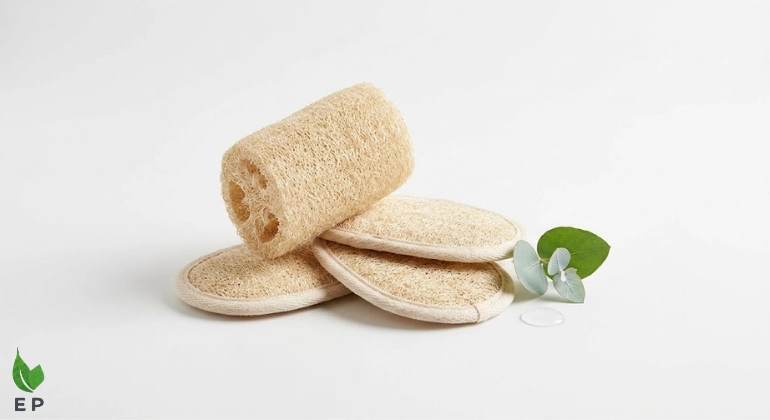
A loofah sponge for skin exfoliation is typically made from the fibrous interior of the luffa plant, a member of the cucumber family that grows a long, ridged gourd. Once dried, the outer skin is peeled away to reveal a network of tough, fibrous strands that naturally form a sponge-like texture. This structure is what gives natural loofahs their signature texture — firm enough to slough away dead skin, yet flexible enough to mold comfortably to the body’s curves.
Bath loofah pads take this natural material and shape it into a flat, easy-to-hold pad, making it more practical for everyday use compared to the traditional round or tube-shaped loofah. The flat design allows for better grip and more even pressure distribution across larger areas like the back, arms, and legs, which is something many users appreciate once they switch over. If you’re curious about the exact product we’re referencing throughout this guide, you can check out these bath loofah sponge pads to see the natural fiber construction up close.
It’s worth noting that not every loofah on the market is created equal. Some are made from natural plant-based sponge material, while others are synthetic mesh alternatives designed to mimic the same texture using nylon or polyester fibers. Both have their place, but understanding the difference matters for anyone serious about sustainable, skin-friendly self-care.
Your skin naturally sheds dead cells every 28 to 40 days as part of its renewal cycle, but this process slows down with age, dry weather, or lack of proper care. When dead skin builds up faster than it sheds, it can leave your complexion looking dull, feeling rough, and even trap dirt and oil that leads to clogged pores or minor breakouts on the body. This is precisely where the benefits of using a loofah come into play, since manual exfoliation helps speed up that natural turnover process.
Beyond simple dead skin cell removal, regular exfoliation using a bath loofah pad offers a surprisingly long list of advantages:
In practice, this means that a two-minute habit added to your existing shower routine can noticeably improve how your skin looks and feels within just a few weeks. It’s a small investment of time with outsized returns, which is exactly why skin exfoliation at home has become such a popular topic among skincare communities.
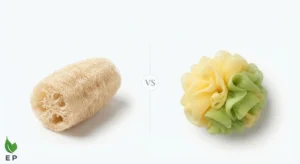
One of the most common questions people ask is whether a natural plant-based sponge is genuinely better than a synthetic mesh alternative, and the honest answer depends on your skin type and priorities. Natural loofahs tend to offer a firmer, more textured scrub, which many people with normal or oily skin find satisfying. Synthetic versions, meanwhile, are often softer and more customizable in terms of exfoliation intensity, making them a reasonable choice for those easing into the practice.
That said, natural fiber sponges hold a clear advantage when it comes to sustainability. Since they are biodegradable and plant-derived, they break down naturally after use instead of shedding microplastics into waterways, which synthetic mesh sponges are increasingly criticized for. If you want a deeper side-by-side comparison, our earlier breakdown on natural loofah vs synthetic sponge covers the environmental and skin-health angles in much more detail.
Here’s a quick side-by-side to help you decide at a glance:
| Feature | Natural Loofah Sponge | Synthetic Mesh Sponge |
|---|---|---|
| Material | Luffa plant fiber | Nylon/polyester mesh |
| Texture | Firm, textured scrub | Soft to medium, adjustable |
| Biodegradable | Yes | No |
| Best For | Normal to oily skin, body scrub | Sensitive or first-time users |
| Longevity | 3–4 weeks with care | Several months |
If eco-friendliness and a genuinely natural feel are priorities for you, exploring options like this natural loofah or the classic loofah bath sponge is a great starting point.
Using a loofah correctly makes all the difference between glowing skin and unnecessary irritation, so it helps to follow a simple, repeatable process rather than scrubbing randomly. Start by wetting the loofah thoroughly under warm water until it softens slightly, since a dry loofah is far too abrasive for direct skin contact. Once softened, apply a small amount of body wash or soap directly onto the sponge rather than your skin, as this helps distribute the product evenly while reducing friction.
Move the loofah in gentle, circular motions across your body, working from your feet upward toward your heart. This upward direction is often recommended because it supports lymphatic drainage and circulation, giving you a subtle wellness boost alongside the exfoliation itself. Spend a little extra time on rougher areas like elbows, knees, and heels, but keep the pressure light and consistent rather than aggressive, since the goal is gentle skin exfoliation benefits, not raw or irritated skin.
For those wondering how to use a loofah properly on sensitive areas, the general rule is simple: reduce pressure significantly, limit the frequency, or switch to a softer synthetic version specifically for those zones. Areas like the inner thighs, underarms, and any place with broken or irritated skin should generally be avoided altogether when using a firmer natural loofah.
This is one of the most frequently asked questions, and the answer genuinely depends on your skin type. For most people with normal to oily skin, using a bath loofah pad two to three times per week strikes the right balance between effective dead skin cell removal and giving your skin time to recover. Over-exfoliating, even with a gentle natural exfoliant, can strip away too much of the skin’s protective barrier, leading to dryness, redness, or increased sensitivity.
If you have dry or sensitive skin, limiting loofah use to once or twice weekly is usually the safer approach, and pairing it with a good moisturizer immediately afterward helps lock in hydration while the skin is still slightly damp. Those with naturally resilient or thicker skin, particularly on areas like the feet or elbows, can sometimes tolerate more frequent use in those specific zones without issue.
Listening to your skin’s feedback matters more than following a rigid schedule. If you notice tightness, redness, or unusual sensitivity after a session, that’s a clear signal to scale back frequency for a while.
Sensitive skin doesn’t have to mean skipping exfoliation altogether, but it does require a more thoughtful approach. The key is choosing a softer texture, reducing pressure significantly, and shortening the duration of each session to just 30 to 60 seconds per area rather than several minutes of continuous scrubbing.
Many people with reactive or easily irritated skin find that pairing a gentle loofah with a fragrance-free, moisturizing body wash minimizes the risk of redness or stinging. It’s also worth patch-testing on a small area first, especially if you’re trying a new bath loofah pad for the first time, since individual skin reactions can vary quite a bit even among products marketed as “gentle.”
If your skin remains persistently reactive even with these adjustments, alternatives like a soft-bristled option such as this dry body bamboo bath brush can offer a different, sometimes more comfortable, exfoliation experience.
Shoppers often find themselves comparing a loofah sponge against a konjac sponge alternative or a traditional exfoliating body scrub, and understanding the practical differences helps you pick the right tool for your specific needs rather than just following trends.
A konjac sponge, made from the root of the konjac plant, is notably softer than a loofah and is often marketed as suitable for facial use, whereas loofahs are generally better suited to body exfoliation due to their firmer texture. Exfoliating body scrubs, on the other hand, rely on physical granules suspended in a cream or gel base, offering intense exfoliation but requiring careful rinsing and, in many cases, more product per use compared to a reusable sponge.
| Tool | Texture | Best Use Area | Reusability |
|---|---|---|---|
| Loofah Sponge | Firm, fibrous | Full body | Reusable (weeks) |
| Konjac Sponge | Very soft | Face, sensitive skin | Reusable (weeks) |
| Body Scrub | Granular, single-use per application | Body, targeted areas | Single-use per application |
For most people building a general skin exfoliation at home routine, a loofah remains the most practical, cost-effective, and reusable choice — especially when paired with complementary tools like a bamboo face brush for facial exfoliation specifically.
A loofah that isn’t cleaned properly can quickly become a breeding ground for bacteria, which defeats the entire purpose of using it for healthy skin. After every use, rinse it thoroughly under running water to remove all traces of soap and dead skin, then gently squeeze out excess moisture rather than wringing it aggressively.
Storage matters just as much as cleaning. Hang your loofah in a well-ventilated area where it can dry completely between uses, since a constantly damp sponge left in a closed shower stall is exactly the environment that encourages mold and bacterial growth. Many people also find it helpful to soak their loofah in a diluted vinegar or mild bleach solution once a week for extra hygiene, followed by a thorough rinse.
As a general guideline, natural loofah sponges should be replaced every three to four weeks, while synthetic mesh versions can often last a few months longer. Watch for signs like a persistent odor, fraying fibers, or a slimy texture, all of which indicate it’s time for a fresh replacement rather than pushing an old sponge past its useful life.
A bath loofah sponge pad works best as part of a broader, thoughtfully chosen bathroom routine rather than as an isolated product. Pairing it with other sustainable bath essentials creates a more consistent, effective, and genuinely eco-conscious self-care experience overall.
For instance, storing your loofah on a well-draining accessory like this bamboo soap dish helps it dry faster and last longer, directly addressing the hygiene concerns mentioned earlier. If your interest in sustainable shower accessories extends beyond just the loofah itself, our detailed guide on bamboo bathroom products explores several complementary swaps worth considering.
This kind of intentional pairing is also why many people who switch to a natural loofah eventually explore replacing other plastic-based items in their routine too, a shift covered thoroughly in our piece on how to replace plastic scrubbers with natural loofah alternatives across the entire bathroom.
With so many options available, picking the best loofah sponge really comes down to three practical factors: your skin sensitivity, your environmental priorities, and how much texture intensity you personally enjoy. Someone with tougher, oilier skin will likely prefer a firmer natural fiber pad, while someone newer to exfoliation or with more delicate skin might start with a softer synthetic blend before graduating to natural options.
It’s also worth considering the shape and format. Flat pads, like the bath loofah sponge pads discussed throughout this guide, tend to offer better control and even pressure across larger body areas compared to bulkier round loofahs, which is a meaningful difference once you’ve actually tried both formats side by side.
If you’re also managing a kitchen alongside your bathroom routine, it’s worth knowing that dedicated options like kitchen loofah pads and a separate dish scrub exist specifically for that purpose — mixing bath and kitchen sponges is never a good hygiene practice, no matter how convenient it might seem in the moment.
Bath loofah sponge pads prove that effective skincare doesn’t need to be complicated or expensive to genuinely work. By understanding your skin type, using proper technique, and maintaining good hygiene practices, this simple tool can become one of the most reliable steps in your entire self-care routine. The transition from dull, rough skin to something noticeably smoother and healthier often takes just a few consistent weeks of gentle, regular exfoliation.
If you’re ready to experience the difference for yourself, explore our full range of bath loofah sponge pads and other sustainable bathing essentials in our eco-friendly product collection. Your skin — and the planet — will genuinely thank you for the switch.
What is a loofah sponge? A loofah sponge is a fibrous exfoliating tool typically made from the dried interior of the luffa plant, used to remove dead skin cells and improve circulation during bathing.
How often should you exfoliate with a loofah? Most people benefit from using a loofah two to three times per week, while those with sensitive or dry skin should limit use to once or twice weekly.
Is a natural loofah better than a synthetic one? Natural loofahs are biodegradable and offer a firmer, more textured scrub, while synthetic versions are often softer and better suited to sensitive skin or beginners.
How do you clean a loofah sponge? Rinse it thoroughly after each use, squeeze out excess water gently, and hang it in a well-ventilated area to dry completely between uses.
Can a loofah be used on sensitive skin? Yes, but with reduced pressure, shorter duration, and ideally a softer texture, along with a patch test before regular use.
What’s the difference between a loofah and a konjac sponge? A konjac sponge is softer and typically used on the face, while a loofah is firmer and better suited for full-body exfoliation.

Subscribe our newsletter & get notification about information discount.
Subscribe to get special offers, free giveaways, and once-in-a-lifetime deals.