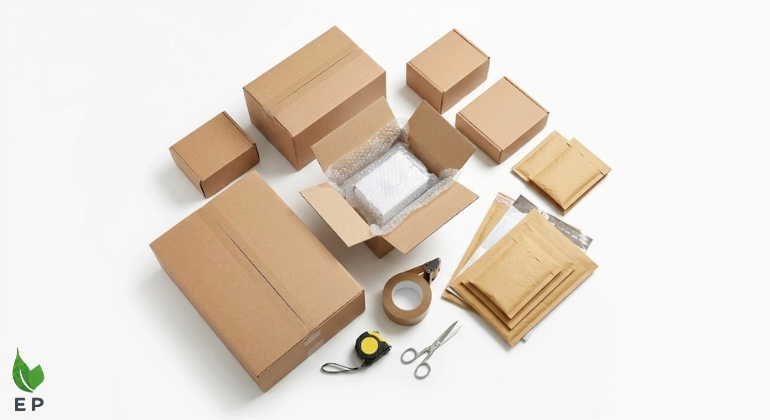
If you’ve ever opened a parcel and found your product rattling around in a box three sizes too big — or worse, arriving cracked because the packaging couldn’t handle the journey — you already understand why choosing the right ecommerce box matters more than most sellers realize. It’s not just cardboard and tape. It’s the last physical touchpoint between your brand and your customer, and it directly affects your delivery costs, your damage claims, and even your reviews. Whether you’re running a small home-based store on Instagram or scaling a full warehouse operation, choosing the ecommerce box for products you sell isn’t a minor logistics detail — it’s a business decision that touches your bottom line every single day.
In this guide, we’ll walk through everything that goes into picking the right ecommerce packaging boxes — size, material, protection, branding, sustainability, and cost — so you can stop guessing and start shipping with confidence.
Most new sellers focus their energy on product photography, ad campaigns, and pricing strategy — and rightly so. But packaging often gets treated as an afterthought, something you sort out “later” once the bigger stuff is figured out. The problem is that the box you ship in influences three things almost immediately: how much you pay in shipping fees, how many items arrive damaged, and how your brand is perceived the moment the customer lifts the lid.
Think about it from the customer’s side. A flimsy box that arrives crushed sends a subtle but real message — that the seller didn’t care enough to protect what’s inside. On the other hand, a well-sized, sturdy box with a clean unboxing experience quietly reinforces trust, even before the customer touches the product itself. If you’ve been exploring options for ecommerce boxes in Pakistan, you’ve probably already noticed how much variation exists between suppliers in terms of quality, sizing flexibility, and pricing.
Box size is where most packaging mistakes begin, and it’s also the easiest problem to fix once you understand the logic behind it. A box sizing chart isn’t just a nice-to-have reference — it’s the difference between paying for wasted air and paying for exactly what you ship.
Your product should sit comfortably inside the box with just enough room for cushioning material, not several inches of empty space. When a box is oversized, the product shifts during transit, increasing the risk of damage even if you’ve added padding. A snug fit packaging approach means measuring your product’s actual dimensions first, then selecting a box that leaves minimal void space — usually no more than an inch or two on each side, depending on fragility.
Here’s something a lot of sellers don’t realize until they check their courier invoice: dimensional weight pricing means carriers charge based on box volume, not just actual product weight. So an oversized box doesn’t just cost more in void fill material — it can literally increase your shipping bill even if the product inside is light. This is one of the most overlooked contributors to poor shipping cost optimization, especially for sellers shipping nationwide through services like TCS, Leopards, or M&P.
If you’re dealing with home relocation-style bulk shipments rather than product sales, the same sizing logic applies — our detailed guide on packing boxes for home shifting breaks this down further for larger-scale packing needs.
Once size is sorted, material becomes the next major decision — and this is where product fragility and value should guide your choice.
For the vast majority of online sellers, a corrugated box for ecommerce is the default and for good reason. Corrugated cardboard combines strength, light weight, and cost-efficiency in a way few other materials can match. Within corrugated packaging, you’ll typically choose between single wall and double wall construction — single wall corrugated works well for lighter, less fragile items, while double wall corrugated boxes offer significantly more crush resistance for heavier or delicate products like electronics, glassware, or ceramics.
Standard sellers on Daraz, Instagram, or their own websites often rely on ready-made 3-ply and 5-ply ecommerce boxes, which offer a reliable middle ground between affordability and durability for everyday shipping needs.
If you’re selling higher-value items — skincare sets, jewelry, gourmet food, or gifting products — a kraft paper box or rigid box packaging option can elevate the entire unboxing experience. These materials feel more premium in hand and often align naturally with eco-conscious branding, which brings its own advantages we’ll cover shortly.
Here’s a quick side-by-side to help you match material to product type:
| Material Type | Best For | Durability Level | Cost Range |
|---|---|---|---|
| Single Wall Corrugated | Light apparel, books, accessories | Moderate | Low |
| Double Wall Corrugated | Electronics, glassware, appliances | High | Medium |
| Kraft Paper Box | Gifts, cosmetics, small premium items | Moderate | Medium |
| Rigid Box | Luxury products, jewelry, subscription boxes | High (structural) | High |
Choosing between material types often overlaps with choosing between box formats too — if you’re weighing rigid options against other packaging styles, our comparison on acrylic boxes vs plastic boxes covers a related decision many sellers face when packaging visually delicate items.
Even the perfect box size and material won’t save your product if the inside of the package isn’t handled thoughtfully. This is where cushioning material and internal protection strategy come into play.
Products that are heavy, fragile, or irregularly shaped need extra attention here. Foam inserts work well for structured, repeat-shape items like electronics or bottles, while bubble wrap padding remains the most flexible and widely used solution across almost every product category. The goal is simple: minimize movement, absorb shock, and prevent damage during transit — which, by the way, is one of the leading causes of return requests in Pakistani ecommerce.
If you’re unsure whether to invest in bubble wrap or paper-based cushioning, we’ve compared both options in detail in our bubble wrap vs packing paper guide, which is especially useful if you’re shipping breakable or semi-fragile goods regularly.
Beyond internal cushioning, consider the box’s own resistance properties. Moisture-resistant packaging matters more than sellers often assume — especially during monsoon season or for products shipped to humid coastal cities. Similarly, if your boxes get stacked in warehouses or delivery vans, stackable boxes with strong crush resistance prevent the classic “squished parcel” problem that leads to bad reviews.
For sellers specifically dealing with delicate, delivery-sensitive items like baked goods, the same protection principles apply in a slightly different context — our guide on packaging a cake for delivery without damage is a great practical example of applying these protection principles to a real, fragile product category.
Here’s where packaging stops being purely functional and starts becoming strategic. Custom printed boxes aren’t just about looking nice — they’re a genuine marketing touchpoint that many small sellers underuse.
When a customer opens a package that has your logo, brand colors, or a thoughtfully designed insert, it reinforces professionalism in a way that generic brown boxes simply can’t. This is often called the unboxing experience, and in the age of social media, a memorable unboxing moment frequently gets filmed and shared organically — which is essentially free marketing.
Small additions go a long way here:
You don’t need a massive budget to start building brand identity through packaging — even small, consistent design choices compound over time into stronger customer recall and loyalty.
Consumer expectations around eco-friendly packaging have shifted noticeably over the past few years, and Pakistani buyers are increasingly paying attention to this too. Choosing recyclable box material or exploring biodegradable packaging options isn’t just good for the planet — it’s becoming a genuine purchase influence, particularly among younger, urban shoppers.
Practical sustainable choices include using recycled cardboard for outer boxes, minimizing unnecessary plastic void fill, and opting for kraft-based mailers where appropriate. These small shifts toward minimal packaging waste don’t require sacrificing protection or presentation — they simply require slightly more intentional sourcing.
If sustainability is becoming part of your brand story, it’s worth exploring dedicated sustainable packaging solutions available locally, which often integrate seamlessly with the material and branding choices discussed above.
Every packaging decision eventually comes back to budget, and that’s completely reasonable — packaging costs add up fast at scale. The key is finding cost-effective packaging that doesn’t quietly sabotage your protection or brand image just to save a few rupees per unit.
A few practical cost-control strategies worth considering:
The mistake to avoid is going too cheap on protection — a slightly higher packaging cost is almost always less expensive than the combined cost of refunds, replacements, and lost customer trust from a damaged delivery.
This part surprises a lot of new sellers: your shipping carrier box requirements actually matter. Couriers like TCS, Leopards, and international services such as USPS, FedEx, or DHL often have specific guidelines around minimum box strength, sealing standards, and labeling placement.
Ignoring these parcel packaging standards can lead to rejected shipments, additional handling fees, or in worst cases, damage that couriers won’t compensate for because the packaging didn’t meet minimum requirements. If you’re shipping internationally even occasionally, it’s worth checking international shipping box guidelines specific to that destination, since requirements can vary meaningfully between local and cross-border delivery.
Not every ecommerce product needs the same packaging format, and understanding the difference between common box types helps you avoid both overpaying and underprotecting.
A mailer box works beautifully for apparel, soft goods, and lightweight items that don’t need rigid structural support. A die-cut box offers a tailored fit for specific product shapes — think cosmetics or electronics accessories. Folding cartons suit smaller retail-style products, while a rigid mailer box bridges the gap between soft mailers and full rigid boxes for items needing moderate structural protection.
If you’re running a subscription-based business, subscription box packaging deserves its own consideration entirely, since branding and unboxing experience matter even more when customers receive boxes repeatedly.
One common point of confusion worth clarifying: the difference between a mailer box vs shipping box often comes down to structural rigidity and intended use — mailers are typically lighter-duty and designed for less fragile items, while shipping boxes (usually corrugated) are built for general-purpose protection across a wider weight and fragility range.
Before finalizing your next packaging order, run through this quick mental checklist:
Running through this list takes just a few minutes but can save you from costly reordering mistakes down the line.
Even experienced sellers fall into a few recurring traps. Oversizing boxes “just to be safe” often backfires through higher shipping costs and increased product movement inside the box. Skipping cushioning material to save a few rupees frequently costs far more in replacement shipments and refunds. And choosing packaging suppliers purely on lowest price, without checking material quality or retail packaging standards, often leads to inconsistent box strength across batches — which shows up as damaged deliveries at the worst possible time, right when order volume is peaking.
Getting your box packaging for small business operations right from the start saves you from having to rebuild these systems later once you’re already scaling and dealing with higher order volumes.
Choosing the right ecommerce box isn’t a one-time decision you make and forget — it’s an ongoing balance between protection, cost, branding, and sustainability that evolves as your product line and order volume grow. The sellers who treat packaging as seriously as they treat product quality tend to see fewer damage claims, better reviews, and stronger repeat customer relationships over time.
If you’re ready to upgrade your ecommerce shipping box guide approach with quality materials that actually protect your products, explore our full range of ecommerce boxes in Pakistan or browse our complete packaging materials collection to find the right fit for your business today.
Q1: What size ecommerce box should I choose for small products? For small products, choose a box that leaves only 1–2 inches of space around the item for cushioning material, avoiding excess void space that increases dimensional weight charges.
Q2: Is corrugated cardboard better than kraft paper for ecommerce shipping? Corrugated cardboard generally offers better structural protection for shipping, while kraft paper boxes are better suited for premium presentation on lighter, less fragile items.
Q3: How do I reduce ecommerce packaging costs without sacrificing protection? Standardize your box sizes, buy in bulk, and compare supplier pricing periodically — this reduces cost per unit while maintaining consistent protection quality.
Q4: What’s the difference between a mailer box and a shipping box? A mailer box is typically lighter-duty and used for soft or less fragile items, while a shipping box (usually corrugated) provides stronger structural protection for a wider range of products.
Q5: Are eco-friendly ecommerce boxes more expensive? Not necessarily — many recyclable and kraft-based options are competitively priced, and the long-term brand value from sustainable packaging often outweighs any minor cost difference.


Subscribe our newsletter & get notification about information discount.
Subscribe to get special offers, free giveaways, and once-in-a-lifetime deals.