If you’ve ever stood in your kitchen staring at an overflowing bin full of plastic wrappers, polythene bags, and disposable cutlery, wondering if there’s a better way to live — you’re exactly who this guide is for. How to start a zero-waste lifestyle in Pakistan is one of the most searched questions among young professionals, parents, and students across Karachi, Lahore, and Islamabad, and for good reason: our cities are drowning in single-use plastic, and most of us genuinely want to do better, we just don’t know where to begin.
This guide breaks that confusion down into something manageable. No lectures, no guilt-tripping, no expectation that you’ll turn into a minimalist overnight. Just a practical, Pakistan-specific roadmap for reducing waste in a way that actually fits your budget, your kitchen, and your daily routine.
Despite the name, zero-waste living isn’t about producing literally zero trash — that’s an unrealistic standard even for the most dedicated eco-warriors. It’s a philosophy built around a simple hierarchy: refuse what you don’t need, reduce what you do, reuse what you can, and recycle what’s left. Composting and responsible disposal come last, after every other option has been exhausted.
In practice, zero-waste living in Pakistan looks less like perfection and more like a series of small, deliberate choices. It’s choosing a cloth bag over a plastic one at the sabzi mandi. It’s refusing the extra polythene wrap on something that’s already packaged. It’s a shift in mindset from “throw it away” to “where does this actually go, and did I need it in the first place?” If you want a broader foundation before diving into specifics, our sustainable living guide for Pakistan is a great companion read alongside this one.
Pakistan generates an estimated 20 million tons of solid waste annually, and a disturbing share of it is non-biodegradable plastic that ends up clogging drains, polluting rivers, and sitting in landfills for centuries. Walk through almost any urban neighborhood after monsoon rains and you’ll see exactly where mismanaged plastic waste leads — flooded streets, blocked sewage systems, and visible pollution in canals and coastal waters.
Beyond the environmental damage, there’s a public health dimension too. Burning plastic waste, a common informal disposal method in many areas, releases toxic fumes linked to respiratory illness. Microplastics are increasingly found in soil and water supplies. This isn’t an abstract global problem happening somewhere else — it’s playing out in our own streets, and sustainable living tips for Pakistan are becoming less of a lifestyle trend and more of a practical necessity. If you want to understand the scale of the issue, this piece on 9 easy ways to reduce your plastic waste lays out the problem clearly before offering solutions.
Rather than overwhelming yourself with a complete lifestyle overhaul, the smartest approach is to tackle one area at a time. Here’s a structured path that’s worked for thousands of households already making the shift.
Before changing anything, spend one week simply observing what you throw away. Keep a mental (or written) tally of what fills your bin most often — plastic bags, food packaging, disposable cutlery, or something else. This single exercise is often the most eye-opening part of the entire process, because it shows you exactly where your effort will have the biggest impact, rather than guessing.
This is the single highest-leverage change you can make. Polythene bags, disposable cutlery, and plastic straws are everywhere in Pakistan, but they’re also the easiest items to refuse outright. Keep a reusable bag in your car or handbag at all times, so you’re never caught needing one at the last minute. For a deeper comparison of why this matters, read our breakdown of kraft paper bags versus plastic bags and their real environmental footprint.
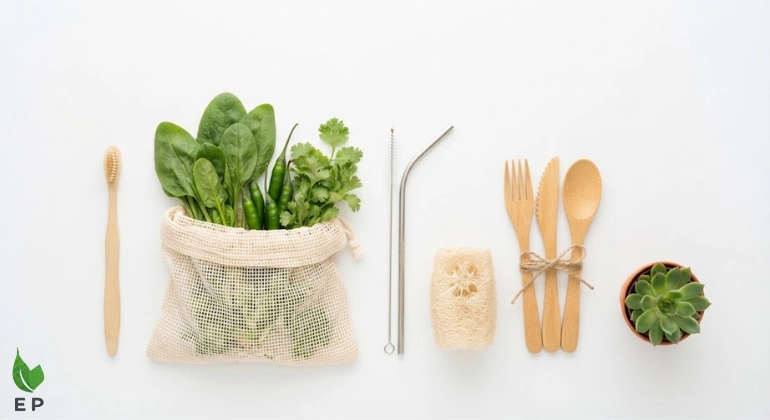
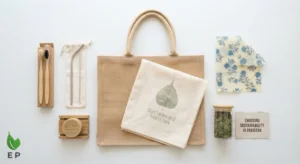
Once single-use plastic is off your radar, reusable alternatives become your new best friends. A good reusable bamboo cutlery set in your bag means you’re never stuck using plastic forks at a wedding or office lunch. An organic cotton mesh bag replaces dozens of plastic produce bags over its lifetime, and reusable bamboo straws eliminate one of the most common ocean pollutants entirely.
Zero-waste grocery shopping in Pakistan is more achievable than people expect, mostly because our traditional shopping culture already favors it. Local sabzi mandis and bulk grain shops let you buy exactly what you need without excess packaging, unlike pre-packaged supermarket produce. Bring your own containers and bags, buy in bulk where possible, and favor local markets over heavily packaged retail chains. Our guide to 10 easy zero-waste swaps for Pakistan covers specific product-level changes you can make this week.
Food waste makes up a huge percentage of household trash, and most of it is entirely compostable. A simple bucket-based compost system on your balcony or backyard can turn vegetable peels, eggshells, and tea leaves into nutrient-rich soil instead of methane-producing landfill waste. It sounds intimidating, but a basic setup requires just a container, some soil, and occasional turning — no special equipment needed.
Your kitchen is ground zero for most household waste, which makes it the highest-impact room to transform. Swapping plastic spoons and containers for durable alternatives pays off quickly — see our comparison of a wooden spoon versus plastic spoon for a clear look at why natural materials outperform plastic long-term. A stainless steel cutlery set is another one-time purchase that eliminates years of disposable cutlery use.
Bathrooms are often overlooked in zero-waste conversations, but they’re packed with disposable plastic — razors, cotton buds, toothbrushes, and packaging. Our detailed walkthrough on how to make your bathroom sustainable and our curated list of zero-waste bathroom essentials make this transition painless. Even something as simple as choosing bamboo bathroom products over plastic equivalents adds up significantly over a year.
Fast fashion is a massive, often-ignored contributor to landfill waste. Thrift shopping in Pakistan has grown considerably in recent years, with second-hand markets and online resale groups offering quality clothing at a fraction of retail prices. Choosing pre-owned items over new ones reduces textile waste while also saving money — a genuine win-win that fits naturally into a minimal waste lifestyle.
You don’t need to buy everything at once, but having a few reliable swaps on hand makes the whole process smoother and far less overwhelming. Here’s a quick comparison of common plastic items and their practical, Pakistan-available alternatives.
| Everyday Plastic Item | Zero-Waste Alternative | Why It Works |
|---|---|---|
| Plastic shopping bags | Organic cotton mesh bag | Reusable for years, foldable, washable |
| Plastic cutlery | Bamboo or stainless-steel cutlery set | Durable, dishwasher-safe, travels easily |
| Plastic straws | Bamboo or steel reusable straws | No microplastic shedding, easy to clean |
| Plastic toothbrush | Bamboo toothbrush | Biodegradable handle, same bristle performance |
| Synthetic bath sponge | Natural loofah | Fully compostable, naturally antibacterial |
If you’d rather browse everything in one place, our collection of best eco-friendly products in Pakistan and this detailed zero-waste guide walk through recommended starter kits for different budgets.
This is probably the most common objection people raise, and it’s a fair one — sustainable products are sometimes marketed as premium or boutique items with prices to match. The reality is more nuanced. Many zero-waste swaps, like switching to a bamboo toothbrush or using a natural loofah instead of a synthetic sponge, cost roughly the same as their disposable plastic counterparts, if not less over time, since you’re replacing them far less frequently.
The bigger savings actually come from reduced consumption itself. Buying in bulk, cooking at home instead of ordering out in disposable packaging, and skipping unnecessary purchases all save money independent of any “eco” product purchase. Zero-waste living, done thoughtfully, tends to pay for itself within months rather than draining your wallet.
The environmental case for reducing waste is obvious, but the personal benefits are just as compelling and often overlooked. Households that adopt zero-waste habits typically report lower monthly spending, simply because mindful consumption naturally curbs impulse buying. There’s also a tangible health upside — swapping synthetic, chemical-laden products for natural alternatives reduces exposure to the microplastics and additives found in many disposable goods.
There’s a community dimension too. Pakistan’s zero-waste community has grown steadily, with local groups organizing swap events, bulk-buying co-ops, and composting workshops in major cities. Hearing how ordinary people have made this shift work for their own homes can be genuinely motivating — our collection of real stories from Pakistanis who switched to eco products is worth a read if you need that extra push.
No lifestyle change is without friction, and it’s worth being honest about the hurdles rather than pretending the transition is effortless. Access is the biggest one — not every neighborhood has a bulk store or a package-free market nearby, which makes certain swaps harder outside major cities. Social pressure plays a role too; carrying your own container to a dawat or asking a vendor to skip the extra bag can feel awkward until it becomes routine.
Cost perception, as discussed earlier, is another frequent barrier, even though the long-term math usually favors reusable products. The most realistic solution to all of these challenges is gradual adoption. Pick one habit, make it stick for a month, then add the next. Trying to overhaul everything simultaneously is the fastest route to burnout and abandoned good intentions.
You’re not navigating this alone, and that’s genuinely one of the most encouraging parts of this movement. Online groups, local swap meets, and eco-conscious brands across Pakistan are actively building infrastructure to make sustainable choices easier and more accessible every year. Our own journey and purpose behind this work is detailed in our mission at EcoProduct.pk, and if you’re curious why thousands of households already trust us for their eco-friendly essentials, this breakdown of why EcoProduct.pk is Pakistan’s most trusted eco-friendly store explains it well.
There’s no single “right” way to start a zero-waste lifestyle in Pakistan, and that’s actually the most freeing part of this whole process. You don’t need to compost perfectly, thrift exclusively, or eliminate every plastic item from your home within a week. What matters is momentum — one swapped habit leading naturally to the next, until sustainable choices simply become how you live, without the constant mental effort of “trying” to be eco-friendly.
Start with whichever step from this guide feels the least intimidating. Maybe that’s keeping a cloth bag in your car, or maybe it’s finally retiring that plastic toothbrush. Either way, you’re already further along than you were an hour ago, and that’s worth genuinely feeling good about.
Explore our full range of durable, affordable, and genuinely useful eco-friendly essentials in our shop — from kitchen swaps to bathroom upgrades, everything you need to start your zero-waste journey is just a click away.
What is a zero-waste lifestyle? A zero-waste lifestyle is an approach to daily living that prioritizes refusing unnecessary items, reducing consumption, reusing durable products, and recycling or composting whatever remains — with the goal of sending as little waste as possible to landfills.
Is zero-waste living expensive in Pakistan? Not necessarily. While some reusable products carry a higher upfront cost than disposables, they typically last far longer and reduce overall spending through lower consumption and fewer repeat purchases.
How can I reduce plastic use in my daily life? Start by refusing single-use plastic bags and straws, carrying reusable alternatives like cloth bags and steel straws, and choosing products with minimal or biodegradable packaging whenever possible.
What are the best zero-waste products to buy first in Pakistan? A reusable shopping bag, bamboo toothbrush, stainless-steel or bamboo cutlery set, and a natural loofah are excellent starter products that are affordable, widely available, and immediately useful.
How do I compost at home easily? Collect fruit and vegetable scraps, eggshells, and tea leaves in a container with soil, keep it moist but not wet, and turn it occasionally. Within a few weeks, you’ll have nutrient-rich compost for plants.

Subscribe our newsletter & get notification about information discount.
Subscribe to get special offers, free giveaways, and once-in-a-lifetime deals.