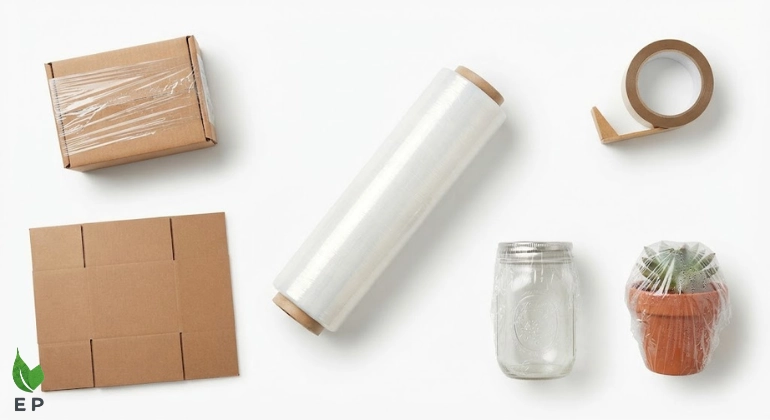
If you think cling film only belongs in your kitchen drawer, wrapped around leftover biryani or a bowl of chutney, it’s time for a serious rethink. Cling film uses beyond food have quietly expanded into industries as varied as e-commerce shipping, home relocation, construction, and even gardening — proving that this humble roll of stretchy plastic is one of the most underrated packaging materials on the market. In Pakistan, where shifting homes, running online stores, and managing small businesses are everyday realities, cling film has become a silent hero of practical packaging.
This blog unpacks exactly how cling wrap moves beyond the fridge and into warehouses, moving trucks, construction sites, and craft tables — and why understanding these cling film packaging applications could save you money, protect your goods, and simplify your daily hustle.
Most people associate cling film purely with food preservation, but its core properties — stretch, cling, transparency, and moisture resistance — make it incredibly versatile for non-food uses of cling film. It’s lightweight, inexpensive, and adapts to almost any shape it’s wrapped around, which is exactly why logistics companies, movers, and even construction crews rely on it daily.
Unlike rigid packaging materials, cling film molds itself around irregular objects, creating a tight seal without the need for tape or extra fasteners. This single feature is why it has quietly become a staple in warehouses and shipping docks — not just kitchens. Once you start looking at cling film through this wider lens, you begin to see it everywhere: securing furniture during a move, holding pallets together in a warehouse, or even protecting garden pots from frost.
Pakistan’s e-commerce sector has exploded over the past few years, and with it, the demand for reliable, affordable protective packaging has grown just as fast. This is where stretch wrap for shipping enters the picture as a genuine game-changer for small businesses and large fulfillment centers alike.
When you’re shipping fragile items — glassware, cosmetics, electronics accessories, or delicate décor pieces — a layer of cling film adds an extra shield against scratches, moisture, and dust before the item even reaches its outer box. Many sellers wrap individual products in cling film first, then place them inside sturdy shipping boxes for double protection. If you’re setting up your shipping station, pairing cling film with reliable ecommerce boxes creates a packaging combo that’s both cost-effective and protective.
It’s also worth noting that cling film pairs beautifully with other fragile item packaging materials. For instance, businesses often compare bubble wrap vs packing paper when deciding on cushioning layers, but cling film usually comes first — as the initial wrap that holds everything snug before the cushioning material goes on. If bubble wrap is your next step, you can grab a bubble wrap roll directly and complete the protective layering process.
Once wrapped, most shippers finish the job with clear packaging tape to secure the cling film in place and prevent it from unraveling during transit. This trio — cling film, cushioning, and tape — forms the backbone of modern courier packaging supplies used across Pakistan’s growing logistics network.
Anyone who has shifted homes in Pakistan knows the chaos of packing — fragile crockery, loose cutlery drawers, and furniture that seems to grow extra corners the moment you try to move it. This is precisely where plastic wrap for moving boxes proves its worth.
Cling film wraps around drawers to keep them shut during transport, secures loose items inside cabinets, and bundles cutlery or small kitchen tools so nothing rattles loose in the moving truck. It’s also brilliant for cling film for luggage protection, especially at airports where suitcases go through rough handling. A tight wrap of cling film around your luggage adds a visible tamper-proof seal and shields against minor scuffs, spills, and rain.
For furniture, cling wrap for furniture wrapping has become the go-to method for protecting sofas, mattresses, and wooden tables from dust and scratches during a move. If you’re planning a full home shift, it’s worth reading our detailed guide to packing boxes for home shifting, which walks through exactly how cling film fits into a complete moving strategy alongside sturdy boxes and packing rope. Speaking of which, a reliable packing rope works great as a finishing touch once your cling-wrapped furniture is boxed and ready to move.
Step outside the home and into a construction site or warehouse, and you’ll find cling film playing an entirely different, heavier-duty role. Industrial uses of cling film center around protection, stabilization, and weatherproofing on a much larger scale.
On construction sites, workers use cling film to cover exposed pipes, fittings, and freshly painted surfaces to shield them from dust, debris, and unexpected rain. It’s also used to temporarily seal window frames and door openings during renovation work, acting as a quick and disposable moisture barrier until permanent fixtures are installed.
In warehousing and logistics, stretch film for pallet wrapping is standard practice. Entire pallets loaded with boxes get wrapped tightly in industrial-grade stretch film to keep everything stable during transport and storage. This single practice prevents boxes from shifting, toppling, or getting damaged as they travel through the supply chain — a critical part of cargo protection and freight stabilization in bulk shipping operations.
If your business handles regular bulk shipments, pairing pallet wrapping with dependable 3ply and 5ply ecommerce boxes ensures your entire packaging chain — from individual product to full pallet — stays protected and professional.
Not every use of cling film involves heavy industry or shipping logistics. Some of its most charming applications happen right at home, in gardens and craft corners.
Cling film for gardening is a favorite trick among home gardeners who use it to create mini greenhouse effects over seed trays, trapping humidity and warmth to speed up germination. It’s also handy for wrapping young plants during unexpected cold spells, offering a temporary but effective layer of insulation.
When it comes to plastic film for waterproofing, cling wrap frequently gets used to protect outdoor furniture, tools, or electronics from unexpected rain — a quick fix that buys time until proper storage is arranged. And for the creative crowd, cling wrap for craft projects ranges from protecting workspaces during painting sessions to creating unique textured effects in resin art and pottery glazing.
Choosing the right packaging material often comes down to the specific job at hand. Here’s how cling film stacks up against other common options:
| Material | Best For | Key Strength |
|---|---|---|
| Cling Film / Stretch Wrap | Furniture, pallets, luggage, moving boxes | Tight cling, flexible, transparent |
| Bubble Wrap | Fragile items, glassware, electronics | Cushioning against shocks |
| Kraft Paper | Eco-conscious shipping, gift wrapping | Biodegradable, printable surface |
| Shrink Wrap | Bulk retail packaging, bottling | Heat-sealed tight fit |
This comparison highlights why cling film often works best as a first layer of protection, especially when paired with cushioning materials like bubble wrap for anything fragile. Businesses weighing eco-conscious alternatives might also find value in comparing standup pouches vs flat pouches for product packaging that goes beyond simple wrapping.
No packaging discussion in 2026 is complete without addressing sustainability, and cling film is no exception. Traditional plastic cling wrap, made from LDPE (low-density polyethylene), isn’t biodegradable, which raises valid environmental concerns — especially given how widely it’s used across shipping, moving, and industrial sectors.
The good news is that the market is responding. Eco-friendly packaging alternatives are gaining traction, including recyclable stretch films and reusable packaging materials designed to reduce single-use plastic waste. Businesses genuinely committed to greener operations often start by auditing their full packaging chain — a topic covered thoroughly in our guide to sustainable packaging solutions in Pakistan.
Cling film may not disappear from packaging workflows anytime soon, but pairing it thoughtfully with recyclable boxes, kraft paper fillers, and reusable containers helps balance practicality with environmental responsibility. If you’re exploring broader eco-conscious packaging swaps, our overview of eco-friendly packaging products in Pakistan offers a solid starting point.
Not all cling film rolls are created equal, and picking the right one depends heavily on your intended use. For household tasks like moving or luggage wrapping, a standard-thickness roll works perfectly fine and offers enough cling and flexibility for everyday needs. If you’re dealing with heavier industrial jobs like pallet wrapping, a thicker, more durable stretch film designed specifically for load stability is the smarter choice.
It’s also worth considering width and roll length based on your typical project size — smaller rolls suit occasional home use, while bulk rolls make more sense for businesses handling regular shipping or warehousing needs. If you’re ready to stock up, our cling film roll is designed to handle everything from kitchen tasks to the packaging applications covered throughout this guide, offering the flexibility and cling strength needed across both home and business use.
What started as a kitchen convenience has clearly evolved into something far more versatile. From protecting fragile shipments and stabilizing warehouse pallets to safeguarding luggage, furniture, and even seedlings in your garden, cling film packaging applications prove that great utility often hides in the simplest materials. The next time you reach for that roll of cling film, you’ll probably see it in a completely new light — not just as food wrap, but as a genuinely smart packaging solution for nearly every corner of daily life.
Ready to put this versatile material to work? Explore our full range of packaging essentials — including cling film rolls, bubble wrap, and ecommerce boxes — and build a packaging setup that protects your products from every angle.
Q1: What are the main non-food uses of cling film? Cling film is widely used for shipping and e-commerce packaging, moving and furniture protection, luggage wrapping, pallet stabilization in warehouses, construction site protection, and even gardening applications like seed tray covers.
Q2: Can cling film replace bubble wrap for fragile items? Cling film works best as a first protective layer that holds items snug, while bubble wrap provides cushioning against impact. For maximum protection, many shippers use both together.
Q3: Is cling film good for wrapping furniture during a move? Yes, cling film is excellent for furniture wrapping. It protects surfaces from dust, scratches, and minor moisture while keeping drawers and doors securely shut during transport.
Q4: What thickness of cling film is best for industrial pallet wrapping? Industrial pallet wrapping typically requires a thicker, heavy-duty stretch film compared to standard household cling wrap, as it needs to withstand tension and weight during storage and transit.
Q5: Is cling film environmentally friendly? Standard cling film is made from LDPE plastic, which isn’t biodegradable. However, recyclable and reusable stretch film alternatives are increasingly available for businesses seeking greener packaging options.

Subscribe our newsletter & get notification about information discount.
Subscribe to get special offers, free giveaways, and once-in-a-lifetime deals.