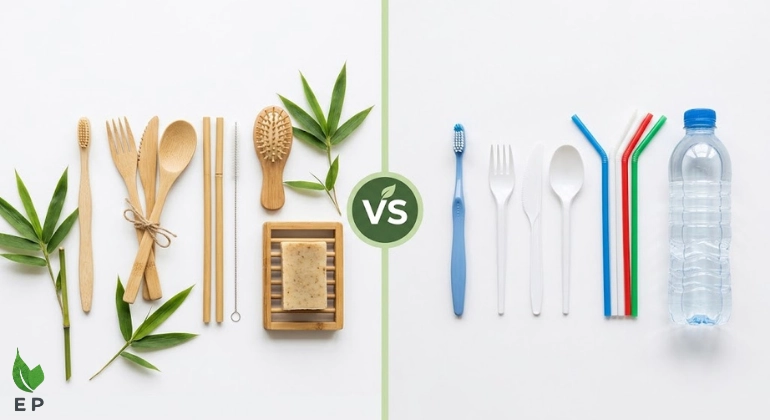
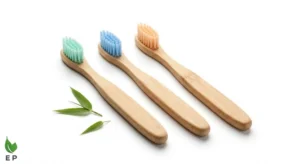
Walk through any home in Pakistan and you will find plastic everywhere: toothbrushes, food containers, hairbrushes, straws, cutlery and soap dishes. It is cheap, light and easy to find, which is why we stopped questioning it long ago. But the bamboo vs plastic debate has become one of the most important choices in modern households. It affects your health, your budget and the planet your children will inherit.
This guide compares bamboo vs plastic products across the things that matter in daily life: environmental impact, durability, safety, cost and convenience. It uses practical examples from the kitchen, bathroom and bedroom. It also admits where bamboo falls short, because an honest comparison helps you more than a sales pitch. By the end, you will know where switching makes sense and where it can wait.
Plastic did not become a problem overnight. It was designed to be durable, and it succeeded too well. Most conventional plastic is petroleum-based plastic, made from fossil fuels through energy-intensive processes. Once it is shaped into a bottle or a brush, it can persist in the environment for centuries. It rarely disappears. It breaks into smaller and smaller fragments called microplastics.
Those fragments now turn up in rivers, soil, drinking water and even food. Cities struggle with overflowing landfill waste, and a large share of discarded packaging drifts toward waterways and eventually becomes ocean plastic. A toothbrush you used for three months can outlive your grandchildren.
Bamboo offers a different story. It is a fast-growing grass, not a tree, and some species grow close to a meter in a single day. It regrows from its own roots after harvesting, so it needs no replanting. It also needs little water and generally no pesticides. That is why it is often called a renewable resource and a leading choice among sustainable materials. If you want to understand the plant itself, our deep dive on why bamboo is the most sustainable material on earth covers it in detail.
Before looking at individual items, it helps to see how the two materials compare on the factors buyers care about most. Think of this as a material comparison you can scan in under a minute.
| Factor | Bamboo | Plastic |
|---|---|---|
| Source | Renewable, fast-growing grass | Petroleum-based, finite resource |
| Biodegradability | Natural parts break down; coatings and glues may slow this | Does not truly biodegrade; fragments into microplastics |
| Carbon footprint | Absorbs CO₂ while growing; lower manufacturing emissions | High emissions from extraction, refining and production |
| Durability | Strong and long-lasting if kept dry | Very durable, but often brittle, stained or discarded early |
| Food safety | Naturally free of BPA; needs food-safe finish | Can leach chemicals unless BPA-free and high grade |
| Upfront price | Usually higher | Usually lower |
| End of life | Compostable or reusable in many cases | Landfill, incineration or limited recycling |
The table gives a quick snapshot, but the details are where the real decision happens. Bamboo wins clearly on origin and end of life. Plastic wins on upfront price and water tolerance. Most of this article is about weighing those trade-offs sensibly.
In most everyday cases, yes. Bamboo’s strongest advantage is its growth cycle. Many bamboo species mature in three to five years, while hardwood trees can take decades. Bamboo plantations also help hold soil in place and release a large amount of oxygen. Plastic, by contrast, begins its life as extracted oil and gas, which locks in a carbon footprint before the product is even made.
A fair life cycle assessment looks at the full journey: growing or extracting the raw material, manufacturing, transport, use and disposal. Bamboo products usually score better on raw material and disposal. Plastic products often look cheap because the environmental cost is pushed onto the future, onto the ocean and onto public health.
Bamboo is not automatically perfect, and it is worth saying so. Poorly managed plantations can replace natural forests. Some products use strong adhesives or synthetic coatings, and transport adds emissions. The fix is simple: choose natural fiber products from suppliers who are transparent about sourcing and finishes.
When bamboo is grown responsibly and left minimally processed, it is one of the most low-impact products available for the home. Even with its flaws, the overall footprint tends to be far smaller than that of petroleum-based alternatives.
The bamboo itself is. A plain, untreated bamboo handle returns to the soil much like wood does. The catch is that parts like nylon bristles or plastic-based finishes do not break down the same way. For a toothbrush, for example, the handle can be composted while the bristles are removed first. Our guide on how to dispose of a bamboo toothbrush in 3 steps walks through the process, so you can close the loop properly.
People often assume plastic wins on durability, since it can be molded into almost anything. In reality, durability depends on what the product is used for. A thick plastic storage bin can last for years. A cheap plastic spoon or toothbrush often cracks, bends or gets thrown out within weeks.
Bamboo is naturally dense and has impressive tensile strength, which is why it is used in scaffolding across Asia. As long-lasting household goods go, a good bamboo cutting board or hairbrush can serve you for years. The key weakness is water resistance. Bamboo hates sitting in standing water. If it is left wet, it can swell, stain or grow mildew.
With simple care, most everyday bamboo items last a long time, and the product lifespan of items like cutlery and combs often matches their plastic equivalents. Here are the habits that make the biggest difference:
For bathroom items, a few minutes of care is enough. If you are starting with a toothbrush, our tips on how to keep your bamboo toothbrush clean cover everything you need.
Food safety is where many families begin to care about this topic. Plastic containers are convenient, but heat, scratches and age can cause certain plastics to release chemicals. That is why the market now offers BPA-free alternatives. Even so, a “BPA-free” label does not guarantee that the plastic is free from every other concerning additive.
Bamboo is a non-toxic material by nature, so it carries no BPA at all. That said, some manufactured bamboo products (especially molded “bamboo fiber” tableware) use melamine or resin binders. These can be a problem with hot food. For safe kitchen use, look for solid bamboo or properly certified, food-grade finishes.
Because it is naturally slightly antibacterial and does not scratch easily, solid bamboo can be a gentle option for chopping boards, spoons and serving tools. If you want a quick look at a similar swap, see our comparison of wooden spoons vs plastic spoons.
Plastic is cheaper at the checkout counter, and that is a fair point to concede. But price per item and cost per year are different things. A pack of plastic straws, bags or cutlery has to be bought again and again. A single reusable item replaces dozens of disposable ones.
Think of a bamboo cutlery set that you carry in your bag. It replaces plastic forks and spoons from every takeaway meal for years. Our article on why you should carry a reusable bamboo cutlery set everywhere shows how quickly this adds up. The same logic applies to bamboo straws, where a reusable option beats a never-ending stream of single-use ones. (If you are weighing materials, see bamboo straws vs stainless steel straws.)
The real answer to “are bamboo products worth the price?” is yes for items you use daily and often replace, such as toothbrushes, cutlery, straws and combs. It is less clear for large storage items, where heavy-duty plastic or steel may still make more practical sense for now.
Theory is useful, but real choices happen at the sink and in the kitchen drawer. Here is how the comparison plays out in the places you use every day.
The bathroom is the easiest place to start because the products are small, cheap and replaced often. A bamboo toothbrush handle replaces a plastic one every three months, which means fewer brushes ending up in the landfill. If you want the full breakdown, read our detailed bamboo vs plastic toothbrush comparison or try the adult bamboo toothbrush.
Cotton buds and hairbrushes are the next easy swaps. Plastic-stemmed buds are a major source of beach litter, while bamboo versions are a better fit. See bamboo vs plastic cotton buds and bamboo vs plastic hairbrushes for the details.
Kitchens produce a huge amount of single-use plastic: forks, stirrers, straws, cling film and bags. A reusable bamboo cutlery set and a pair of bamboo straws cover the two most common offenders. For washing up, the sustainable bottle cleaning brush and a natural scrubber replace synthetic sponges that shed microplastics. If you want the sponge story, see natural loofah vs synthetic sponge.
Bamboo is not the only good answer, either. For some uses, stainless steel is even better. Our guide on the stainless steel cutlery set vs plastic explains when steel makes more sense.
Bamboo storage containers and lids look lovely and suit dry goods like tea, spices and grains. For wet or oily foods, glass or steel still performs better. For drinking on the go, a double-wall bamboo water bottle with tea infuser can replace the endless cycle of plastic water bottles. For shopping, the lesson is the same: reusable beats disposable. Compare your options in kraft paper bags vs plastic bags.
Here is a quick product-by-product summary of where each material shines:
| Household Item | Better Choice | Why |
|---|---|---|
| Toothbrush | Bamboo | Compostable handle, same cleaning performance |
| Cutlery (daily use) | Bamboo or steel | Reusable, replaces single-use plastic |
| Straws | Bamboo or steel | Avoids ocean plastic and landfill waste |
| Hairbrush and comb | Bamboo | Gentler on scalp, less static |
| Dish scrubbers | Natural loofah or bamboo | Avoids microplastic shedding |
| Heavy wet storage | Glass, steel or durable plastic | Better water resistance |
| Shopping bags | Cotton or kraft paper | Reusable and recyclable |
Notice that bamboo is not always the winner. The smartest households use whichever sustainable material fits the job, and that honesty is what makes a switch last.
Not completely, and nobody serious claims otherwise. Medical equipment, electronics and some food packaging still depend on plastic for safety and performance. But for everyday bamboo items around the house, the replacement is realistic and often enjoyable. Most families can swap 60 to 70 percent of their regular disposable plastic without changing how they live.
The trick is to avoid doing it all at once. Buying a full set of new products in a weekend usually leads to waste, plus the temptation to throw out perfectly good plastic items. A better rule is to use up what you own, then replace each item with a durable, reusable alternative when it wears out. That is true waste reduction, and it keeps your budget calm.
For a gentle starting plan, try these 10 easy zero-waste swaps and the 9 easy ways to reduce your plastic waste. Both are built around small steps that fit real life.
A zero waste lifestyle is not about perfection. It is about steady, practical progress. Start with the items you use and replace most often, then move outward from there.
If you are looking for a broader roadmap, our sustainable living guide for Pakistan and the list of eco-friendly daily use products are good companions. You can also read more about bamboo products and a sustainable lifestyle in Pakistan to see how local families are making the shift.
Choosing a trustworthy supplier matters, too. Look for clear material descriptions, honest claims and responsive support. You can learn more about our approach in why EcoProduct.pk is a trusted eco-friendly store.
Yes, in most everyday uses. Bamboo is a fast-growing, renewable grass that regrows without replanting, while plastic comes from finite fossil fuels and lingers for centuries. Sustainability still depends on responsible sourcing and minimal synthetic coatings.
Solid bamboo is naturally free of BPA and works well for cutting boards, spoons and serving tools. Plastic can be safe if it is high-grade and BPA-free, but it may degrade with heat and scratches. Avoid bamboo tableware that uses melamine or resin binders with hot food.
Plain, untreated bamboo is biodegradable and returns to the soil like wood. Parts such as nylon bristles, glues or plastic-based finishes do not break down in the same way, so remove them before composting.
With proper care, bamboo household items can last for years, which is comparable to many plastic products. Keeping bamboo dry and occasionally oiling it greatly extends its life, while cheap plastic items often crack or get discarded sooner.
For daily-use items like toothbrushes, cutlery, straws and combs, yes. The upfront cost is higher, but reusable bamboo replaces many disposable plastic items over time and reduces your waste.
Responsibly grown bamboo has a much lower environmental impact than plastic. Problems arise mainly from poorly managed plantations, heavy chemical treatments and long-distance shipping, so choose transparent suppliers.
For many everyday household items, yes. Bamboo works well for bathroom, kitchen and personal-care products. For wet storage, medical use and electronics, plastic or other materials may still be necessary.
When you compare bamboo vs plastic household products honestly, bamboo comes out ahead for most items you use and replace often. It is renewable and lower in carbon. It is also free of the chemical worries that surround some plastics, and it can return to the earth instead of fragmenting into microplastics. Plastic still has its place where water resistance and heavy-duty strength matter, but it no longer deserves to be the default for every drawer and shelf.
The most practical path is not an overnight overhaul. Swap one item at a time, care for it well, and let each small change build into a green living habit that feels natural.
Start with a single product that you use every day. Browse our full range of eco-friendly household products in the EcoProduct.pk shop and pick one plastic item to replace this week. Your home, your health and the planet will all feel the difference.

Subscribe our newsletter & get notification about information discount.
Subscribe to get special offers, free giveaways, and once-in-a-lifetime deals.