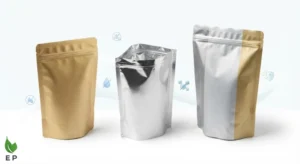
If you’ve ever wondered why most premium coffee bags have a small, button-like bump on the front, you’re already halfway to understanding one of packaging’s cleverest inventions. Coffee valve pouches have quietly become the industry standard for anyone serious about protecting flavor, and for good reason — they solve a problem that plain bags simply can’t handle. When we talk about the best packaging for coffee, this little valve is almost always at the center of the conversation, because it directly affects how fresh your coffee tastes from the first scoop to the very last.
In this guide, we’ll unpack exactly how these pouches work, why roasters and cafés trust them, and how you can choose the right one for your own brand. Along the way, we’ll also look at materials, sustainability angles, and a few practical examples drawn from real packaging use cases in Pakistan’s growing specialty coffee scene.
At their simplest, coffee valve pouches are flexible packaging bags fitted with a small, one-directional degassing valve on the surface. This isn’t just a design flourish — it’s a functional piece of engineering that allows gases to escape from inside the bag without letting outside air sneak back in.
Freshly roasted coffee beans continue to release carbon dioxide for days, sometimes weeks, after roasting. Without a way to vent that gas, a sealed bag would eventually bulge, stretch, or even burst. That’s exactly the problem these pouches were designed to solve. Most of what you’ll find on the market today falls under the stand-up pouch (SUP) category, which combines the valve function with a self-supporting base, making the bags easier to display on shelves and more convenient for everyday use at home.
If you’re exploring packaging options for your own coffee line, it’s worth browsing a dedicated kraft stand-up pouches collection to see how different valve placements, window cutouts, and finishes compare side by side.
Coffee isn’t like dry pasta or sugar — it’s a living, breathing product chemically speaking, at least for the first few weeks after roasting. The roasting process triggers a reaction that produces carbon dioxide, and this continues to off-gas steadily afterward. This single fact is the reason ordinary plastic bags or heat-sealed pouches almost always fail coffee brands.
Without proper degassing valve coffee packaging, three things typically go wrong. The bag swells unpredictably during transport, the seal weakens under internal pressure, and worst of all, trapped moisture and gas accelerate the breakdown of the oils responsible for aroma. That’s why air-tight coffee packaging alone isn’t enough — it needs to be air-tight and smart enough to release pressure selectively.
This is also where the broader idea of freshness-preserving packaging comes in. It’s not just about keeping air out; it’s about managing the internal atmosphere of the bag so the coffee’s natural aroma compounds stay locked in rather than escaping through micro-tears or weak seals.
This is probably the most common question we hear from new café owners and home roasters alike: how does a coffee valve work, exactly?
Picture a tiny mechanical gate. Inside the valve, a thin membrane sits over a small opening. When pressure builds up inside the bag — from that steady stream of CO2 — it pushes against the membrane just enough to create a narrow gap, letting the gas escape outward. Once the internal pressure drops back to normal, the membrane snaps shut again, sealing the bag completely. Oxygen, moisture, and contaminants from the outside world simply can’t push their way back in through this one-directional design.
This is the core difference between one-way valve coffee bags and standard bags. A regular pouch, no matter how tightly sealed, has no mechanism for pressure release — it either swells dangerously or requires manual venting, which defeats the purpose of sealed packaging altogether. The valve essentially automates coffee roasting degassing, letting the bag breathe outward only, which is precisely why specialty roasters rarely package coffee without one.
Not every coffee product needs the exact same pouch. Depending on roast freshness, shelf time, and branding goals, different formats make more sense. Here’s a quick side-by-side comparison to help clarify the options:
| Packaging Type | Valve Included? | Best Use Case | Shelf Life Impact |
|---|---|---|---|
| Standard Kraft Pouch | No | Pre-ground, quick turnover coffee | Shorter freshness window |
| Foil-Lined Valve Pouch | Yes | Whole bean, specialty roasts | Significantly extended |
| Zipper Lock Pouch (no valve) | No | Resealable but non-degassing products | Moderate, risk of bulging |
| Stand-Up Pouch with Valve | Yes | Retail-ready whole bean or ground coffee | Extended + retail friendly |
As the table shows, the presence of a valve is really the deciding factor for anything involving freshly roasted beans. If you’re comparing formats for your own brand, our breakdown on stand-up pouches vs flat pouches goes deeper into which shape suits different retail shelves and storage conditions.
Beyond solving the gas-release problem, valve pouches bring a handful of practical advantages that matter to both roasters and end consumers.
These benefits compound over time. A bag that manages gas properly in week one is still doing meaningful work in week four, which is the entire point of choosing coffee storage pouches built with this feature rather than settling for whatever’s cheapest.
The valve is only half the story — the material the pouch is made from plays an equally important role in how well coffee holds up over time.
Kraft paper coffee bags remain popular for their natural, eco-conscious look, especially when combined with an inner lamination layer. On their own, kraft paper isn’t moisture-proof, which is why most quality pouches pair it with a barrier film packaging layer underneath — giving you the rustic exterior appeal without sacrificing protection.
Foil-lined pouches, meanwhile, are the go-to choice for brands prioritizing maximum moisture-proof packaging performance. The metallic layer blocks light and humidity far more effectively than paper alone, which matters a lot if your coffee is traveling long distances or sitting in a warm storage room before it reaches a customer.
For brands wanting both aesthetics and function, a kraft paper bags vs plastic bags comparison is worth a read — it breaks down the environmental trade-offs between these material choices in more detail, which ties directly into the eco-conscious packaging trend we’ll cover shortly.
Some premium brands also use nitrogen flushing coffee techniques before sealing, replacing the oxygen inside the bag with inert nitrogen gas. Combined with a degassing valve, this creates an almost ideal internal environment — minimal oxygen, controlled pressure release, and strong heat-sealable pouches construction that locks everything in place.
If you’re running a roastery or a café that bags its own beans, generic packaging rarely does your brand justice. This is where custom coffee pouches come into play — pouches designed with your branding, your valve placement, and your preferred window or finish.
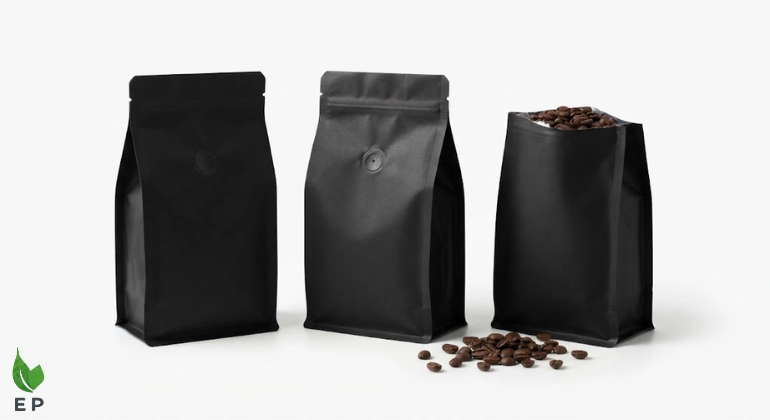
A well-designed coffee bag with valve does more than just protect the product; it communicates quality before the customer even opens the bag. A matte black finish with a subtle window cutout, for instance, signals a premium specialty blend, while a kraft finish with visible beans through a small window feels more artisanal and small-batch.
For brands exploring these options locally, options like the coffee pouch with valve or the stand-up pouch with valve give a practical starting point — both come ready with functioning degassing valves and can typically be customized further for logo printing and finish.
This is also a smart area to think about coffee packaging solutions holistically. The pouch, the label, the valve, and even the zipper closure all need to work together, not just individually — a beautiful design with a cheap valve will still let your coffee go stale faster than it should.
Sustainability isn’t a side conversation anymore — it’s shaping how packaging gets designed from the ground up. Eco-friendly coffee packaging today increasingly means recyclable kraft exteriors, reduced plastic layers, and valves made from recyclable components rather than mixed plastics that complicate recycling.
This shift matters for two reasons. First, environmentally conscious customers are actively seeking out brands that reflect their values, and packaging is often the first visible signal of that commitment. Second, many packaging suppliers — including broader sustainable packaging solutions providers — are now engineering valves and films that break down more easily without compromising the barrier protection coffee needs.
It’s a genuinely interesting balancing act: you need a bag tough enough to protect against moisture and oxygen, yet made from materials gentle enough on the environment. The industry hasn’t fully solved this tension, but the direction is clear, and brands that get ahead of it now tend to build stronger long-term customer loyalty.
With so many formats, materials, and valve types available, picking the right one can feel overwhelming. In practice, the decision usually comes down to three questions: how fresh is the coffee when it’s packed, how long will it sit before reaching the customer, and what visual impression do you want the bag to create on a shelf?
For whole bean specialty coffee sold within a few weeks, a flexible packaging for food approach using a foil-lined valve pouch is almost always the safest bet — it handles the active degassing phase gracefully. For pre-ground coffee with a shorter natural shelf life anyway, a simpler resealable coffee bags format without a valve can sometimes be sufficient, since pre-ground coffee releases far less gas than whole beans.
Bulk coffee packaging for wholesale or food service clients often skips the fancy window cutouts in favor of larger, sturdier valve pouches that prioritize function over shelf appeal — practical, since these bags rarely sit on a retail shelf anyway. If your brand straddles multiple product lines, it’s often worth sourcing a mix of pouch styles rather than forcing one format to do everything.
For a broader look at how flexible pouches stack up against other formats entirely, the guide on transparent packaging pouches is a useful next read, particularly if you’re also considering window-style bags for visual merchandising.
A few recurring mistakes show up again and again, even among established roasters.
Avoiding these pitfalls usually doesn’t require a bigger budget, just a more deliberate choice of materials and components from the start.
Why do coffee bags have valves? Coffee continues releasing carbon dioxide for days after roasting. The valve lets this gas escape without allowing outside air or moisture back in, which prevents bag swelling and keeps the coffee fresher for longer.
What’s the difference between valve and non-valve bags? Valve bags actively manage internal pressure and gas release, making them ideal for freshly roasted whole beans. Non-valve bags are simpler and cheaper but work best for products like pre-ground coffee that release minimal gas.
What’s the best material for coffee bags? Foil-lined or barrier-film laminated kraft pouches tend to offer the best combination of moisture protection, light blocking, and aroma retention, especially when paired with a functioning degassing valve.
How long does valve packaging extend coffee’s shelf life? While it varies by roast and storage conditions, properly sealed valve pouches can extend usable freshness significantly compared to standard sealed bags, often by several additional weeks.
Can custom coffee pouches include a valve and a window together? Yes. Most modern custom pouch manufacturers can combine a valve, a branded finish, and a small window cutout in a single design, giving both function and shelf appeal.
Choosing the best packaging for coffee isn’t about picking the prettiest bag on the shelf — it’s about understanding what’s actually happening inside the pouch after it’s sealed. Coffee valve pouches solve a very real chemistry problem, and once you see how the one-way valve works, it becomes obvious why they’ve become the default choice for roasters who care about flavor consistency from the first cup to the last.
Whether you’re a home roaster experimenting with small batches or a café scaling up retail bags for customers, getting the packaging right pays off in fewer complaints, better shelf presentation, and coffee that genuinely tastes the way it should.
Ready to upgrade your packaging? Explore our full range of valve pouches and stand-up bags and find the right fit for your brand today.

Subscribe our newsletter & get notification about information discount.
Subscribe to get special offers, free giveaways, and once-in-a-lifetime deals.