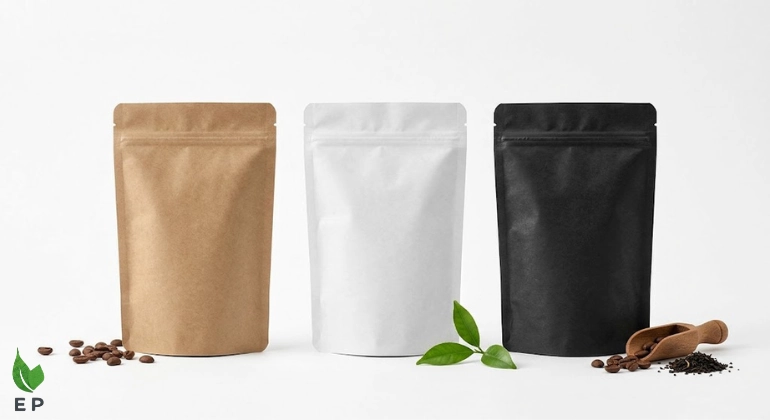
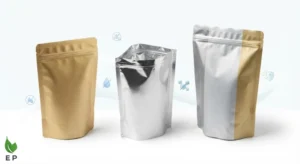
Walk down any food aisle, café counter or online store today and you’ll notice a pattern. Brands that look warm, natural and trustworthy are often wrapped in brown paper. Kraft stand up pouches have become the go-to choice for coffee roasters, snack makers, spice sellers and bakeries because they pair earthy visual appeal with real shelf performance. They stand upright, protect the product and tell customers, without a single word, that the brand cares about the planet.
Choosing the right pouch is not as simple as picking a size and a colour, though. Barrier layers, closures, windows, printing methods and order quantities all affect your cost, your product’s shelf life and your customer’s first impression. This guide walks you through each decision in plain language, with practical examples, so you can buy with confidence the first time.
Kraft stand up pouches are flexible packaging bags made from kraft paper, usually brown or white. Kraft paper is a strong, unbleached paper made from wood pulp. It is laminated with an inner layer that handles sealing and protection. A gusset (a folded panel) at the bottom lets the pouch stand on its own, which is why you’ll also hear them called doypack pouches.
Many people confuse kraft pouches with plain brown kraft paper bags. A simple paper bag is open at the top and offers almost no protection against air or moisture. A stand up pouch is engineered. Its inner lining is heat sealable, so it closes airtight. It often carries a zipper for reuse. It can include a tear notch for easy opening, and it may have a clear window pouch feature so shoppers can see what is inside.
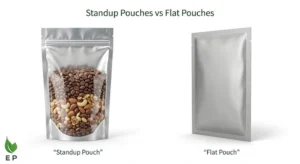
If you’re comparing structures before you commit, our guide on standup pouches vs flat pouches explains when each format makes more sense. For a quick overview of what is available locally, you can also browse the kraft standup pouches page.
Here is the part most buyers skip, and it is where most packaging mistakes begin. A kraft pouch is not just paper. It is a laminated structure, and each layer has a job.
The outer layer is kraft paper, which gives the pouch its look, feel and printability. Beneath it sits a middle layer that controls barrier protection. This might be PET/PE lamination for general dry goods, a VMPET layer (metallised film) for better light and oxygen resistance, or aluminum foil lining for maximum protection. The innermost layer is usually food-safe polyethylene, which allows heat sealing and keeps the contents from touching the barrier.
Think of it like a winter jacket. The kraft paper is the stylish outer shell. The middle layers are the insulation. The inner lining is the soft fabric against your skin. Skip the insulation and you look good but get cold fast.
A product’s sensitivity to oxygen, moisture and light decides the answer. Dry pasta can sit happily in a basic structure. Ground coffee, on the other hand, loses aroma quickly and needs a much stronger oxygen barrier.
| Structure | Barrier Strength | Best For | Shelf Life Impact |
|---|---|---|---|
| Kraft + PE | Low | Dry grains, tea leaves, short-term sales | Basic |
| Kraft + PET/PE | Medium | Snacks, nuts, dried fruit | Good |
| Kraft + VMPET/PE | High | Spices, granola, powders | Very good |
| Kraft + aluminum foil/PE | Highest | Coffee, protein powder, long-term storage | Excellent |
In short, the more sensitive your product, the more barrier you need. If you need maximum protection with a natural look, the kraft paper with aluminum lamination pouch is a strong example of how a foil-lined kraft pouch keeps the rustic exterior while sealing out air and moisture.
This is the question honest buyers should ask, and the answer has some nuance. Kraft paper itself comes from a renewable resource and has a lower footprint than a fully plastic pouch. However, the final pouch is only as sustainable as its lining.
A kraft pouch with a thin PE lining is generally easier to handle in waste streams than a thick multi-layer plastic one. A pouch with an aluminum foil layer protects food better but is harder to recycle. Truly compostable pouches use plant-based liners, but they usually cost more and have a shorter shelf life. So eco-friendly kraft pouches exist on a spectrum rather than as a single yes-or-no label.
A practical approach is to match the level of sustainability to your product’s needs. A bakery selling cookies the same day can choose a lighter structure. A coffee brand shipping across the country may need foil protection and should offset that choice in other ways, such as lighter weights, less secondary packaging and clear disposal guidance on the label.
For a deeper look at the environmental side, read our comparison of kraft paper bags vs plastic bags. You can also explore eco-friendly kraft stand up pouches and our wider overview of sustainable packaging solutions in Pakistan.
Small features make a big difference in how your pouch performs and how customers feel about it. Let’s go through the most important ones.
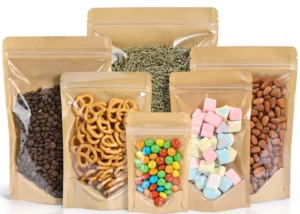
Kraft stand up pouches with window designs include a transparent panel so customers can see the product. This works beautifully for granola, dried fruit, cookies and pickles, where colour and texture build trust. A window does slightly reduce the barrier in that area, so it suits products with moderate shelf-life needs. If you want to see it in action, look at the brown kraft standup pouch with window or the cleaner look of the white kraft standup pouch with window. For a premium, bold look, the black kraft standup pouch with window makes colourful products pop.
Kraft pouches with zipper closures are what turn a one-time wrapper into a reusable container. A zip lock closure lets customers reseal the pouch after every use, which protects freshness preservation and encourages repeat use of your packaging (and your brand). For anything customers will open more than once, such as snacks, tea, spices and pet treats, resealable kraft pouches are close to essential. The clear zipper standup pouch bag is a useful reference if you want to compare transparent and kraft styles side by side.
Freshly roasted coffee releases carbon dioxide for days. A degassing valve lets that gas escape without letting oxygen in, which prevents puffed-up bags and protects flavour. If you sell beans or ground coffee, the black coffee pouch with valve and the white stand up pouch with valve are built for exactly that job.
A few minor features add polish and function:
Size is where many first-time buyers go wrong. They order by guesswork, and then the product either swims in the pouch or refuses to fit. Pouch capacity (oz / grams) depends on product density as much as on pouch dimensions. A 250g bag of puffed snacks needs a far larger pouch than 250g of rice.
The safest method is to test. Request sample sizes, fill them with your real product, and check three things: does it stand upright, does the seal close without strain, and is there enough headspace to use the zipper easily?
Here is a rough starting guide for typical dry products:
| Approx. Capacity | Common Use | Typical Product Examples |
|---|---|---|
| 50–100g | Trial or sample packs | Tea, spice blends, seeds |
| 250g | Standard retail size | Coffee, granola, dry fruit |
| 500g | Family size | Nuts, flour mixes, snacks |
| 1kg | Bulk and value packs | Grains, pulses, pet treats |
Treat these figures as starting points. Always confirm with your own product.
Pouch thickness (microns) matters too. Most food-grade kraft pouches fall somewhere between roughly 100 and 160 microns in total. Thinner pouches cost less but are easier to puncture. Heavier or sharper products, such as nuts or bones for pet treats, deserve a thicker build. Higher thickness usually means better durability and barrier, but also a higher price per piece.
A plain kraft pouch is attractive, but a branded one works as a silent salesperson. Custom kraft stand up pouches let you place your logo, ingredients, nutrition facts and story right where customers look.
Three printing routes are common. Digital printing suits small runs and frequent design changes, and it is a smart choice for new brands testing a product. Rotogravure printing delivers sharp, consistent colour at high volume and becomes cost-effective for large orders. Simple logo printing with one or two colours is the budget-friendly path that still looks polished on brown kraft.
A practical tip: kraft paper is naturally brown, so light colours print differently than they would on white stock. White ink, black ink and deep earth tones usually look best. If your brand uses bright pastels, consider a white kraft pouch to keep colours true. Good custom printed pouches use the kraft texture as part of the design rather than fighting it.
Strong brand visibility also depends on layout. Keep the logo in the upper third, since that’s what shoppers see first on a shelf. Place the window where the product looks best, and reserve the back panel for details like storage instructions and certifications. If you need packaging that matches your brand across formats, the kraft standup pouches packaging in Pakistan page is a helpful starting point.
Theory is useful, but examples make decisions easier. Here is how different businesses typically approach the choice.
Coffee roasters usually need coffee packaging bags with a foil or VMPET barrier and a degassing valve. The kraft exterior signals craft quality, while the hidden layers do the heavy lifting.
Snack and dry-fruit brands often prefer snack packaging pouches with a window and zipper, so customers can see the product and reseal it. A medium-barrier PET/PE structure often works well here.
Tea and spice sellers benefit from tea packaging pouches and spice packaging pouches with a strong moisture barrier, because humidity quickly dulls aroma. Smaller sizes with resealable zippers are popular.
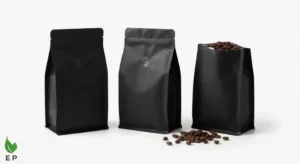
Bakeries and cookie makers often choose flat bottom pouches or gusseted pouches because they stack neatly and hold bulkier products. The brown side gusseted flat bottom pouch for cookies and bakery shows how this format suits baked goods.
Pickle and condiment sellers need pouches that handle oil and moisture. A structure like the white standup pouch for pickle with window is designed with that in mind.
Once you know what you need, the next question is where and how much to buy. Kraft pouches wholesale pricing rewards volume. The more you order, the lower the cost per piece, which is why kraft stand up pouches bulk orders can make sense once your product is selling steadily.
Every supplier sets a MOQ (minimum order quantity). Stock pouches often have low or no MOQ, while fully custom printed ones usually require larger runs because of plate and setup costs. If you’re starting out, consider plain or lightly printed stock pouches with a branded label, then move to full custom printing as demand grows. That way you protect your cash flow while you validate the product.
When it’s time to buy kraft stand up pouches, evaluate the packaging supplier carefully. A short checklist helps:
Remember that packaging cost is more than the price per piece. A cheaper pouch that lets your product go stale or splits in transit will cost you far more in returns and lost trust. Browse the full kraft standup pouches category to compare styles, or visit the shop to see the wider packaging range.
If your pouch touches food, quality is not optional. Food safety compliance protects your customers and your business. Ask your supplier whether the inner layer is food-contact safe, whether the inks are suitable for food packaging, and whether the pouch has been tested for seal strength and leakage.
Run your own simple tests too. Fill a few sample pouches, seal them, and press gently to check for leaks. Leave one at room temperature for a week and see how the product holds up. Drop one from a table height to check seal integrity. These low-cost checks reveal problems before a large order arrives.
Also consider how the pouch will be used after purchase. Dry food storage at home means opening and closing the zipper dozens of times, so the zipper must be smooth and secure. Good pouches pass this everyday test, not just the lab one.
Every packaging format has trade-offs, and honest buyers weigh both sides.
| Advantages | Limitations |
|---|---|
| Natural, premium and eco-conscious look | Not fully waterproof without proper lining |
| Stands upright and saves shelf space | Foil-lined versions are harder to recycle |
| Lightweight, so lower shipping cost | Kraft colour limits some print palettes |
| Resealable options extend freshness | Window versions reduce barrier slightly |
| Highly customizable for branding | Custom orders need higher MOQ |
Overall, the benefits outweigh the drawbacks for most dry-food brands, as long as the barrier level matches the product.
The best kraft stand up pouches do three things at once. They protect what’s inside, present it beautifully and reflect your brand’s values. To get there, start with your product’s needs, choose the right barrier, add only the features that serve your customer, and test samples before scaling up.
Choosing well saves money, reduces waste and builds trust every time a customer picks your pouch off a shelf. Start small, learn from real feedback and grow your packaging as your brand grows.
Explore the full range of kraft stand up pouches at EcoProduct.pk, compare sizes and finishes, and pick the pouch that fits your product. For transparent options, also see our eco-friendly transparent packaging pouches. Order samples today and see the difference quality packaging makes.
They are used to package dry and semi-dry products such as coffee, tea, spices, snacks, granola, nuts, cookies and pet treats. The upright design improves shelf display, and the kraft exterior gives a natural, premium look.
Yes, when made with food-grade inner linings and suitable inks. Always confirm food-contact compliance with your supplier and request documentation before large orders.
It depends on the structure. Kraft paper is renewable, but the inner liner determines recyclability. Foil-lined versions are harder to recycle, while specially designed compostable pouches use plant-based liners.
A foil-lined or VMPET-lined kraft pouch with a one-way degassing valve and zipper works best. It blocks oxygen and moisture while letting roasting gases escape.
It varies by supplier and printing method. Stock pouches often have low minimums, while fully custom printed pouches usually need larger runs. Ask your supplier for exact figures.
Select by product weight and density, then test samples with your actual product. Check that the pouch stands upright, seals properly and leaves room for the zipper.

Subscribe our newsletter & get notification about information discount.
Subscribe to get special offers, free giveaways, and once-in-a-lifetime deals.